AMD's Next Big APU Might Actually Fix the Memory Problem
Okay so I saw this leak about AMD's 2027 Medusa Halo chips and honestly? The LPDDR6 support is the real story here. We're talking 460GB/s bandwidth.
Scout Team
Okay so I saw this leak about AMD's future APU plans and had to share. We're looking at something called Medusa Halo coming in 2027, and if this pans out, it could finally solve the biggest problem with APUs – memory bandwidth.
Here's what caught my eye: LPDDR6 support with speeds up to 14,400 MT/s on a 256-bit interface. That works out to around 460.8 GB/s of bandwidth. For context? That's about 80% more than what current Ryzen AI MAX chips can pull off. And trust me, I've tested enough APUs to know that memory bandwidth is basically their Achilles' heel. You can have all the GPU cores you want, but if you're starving them for data, performance tanks hard.
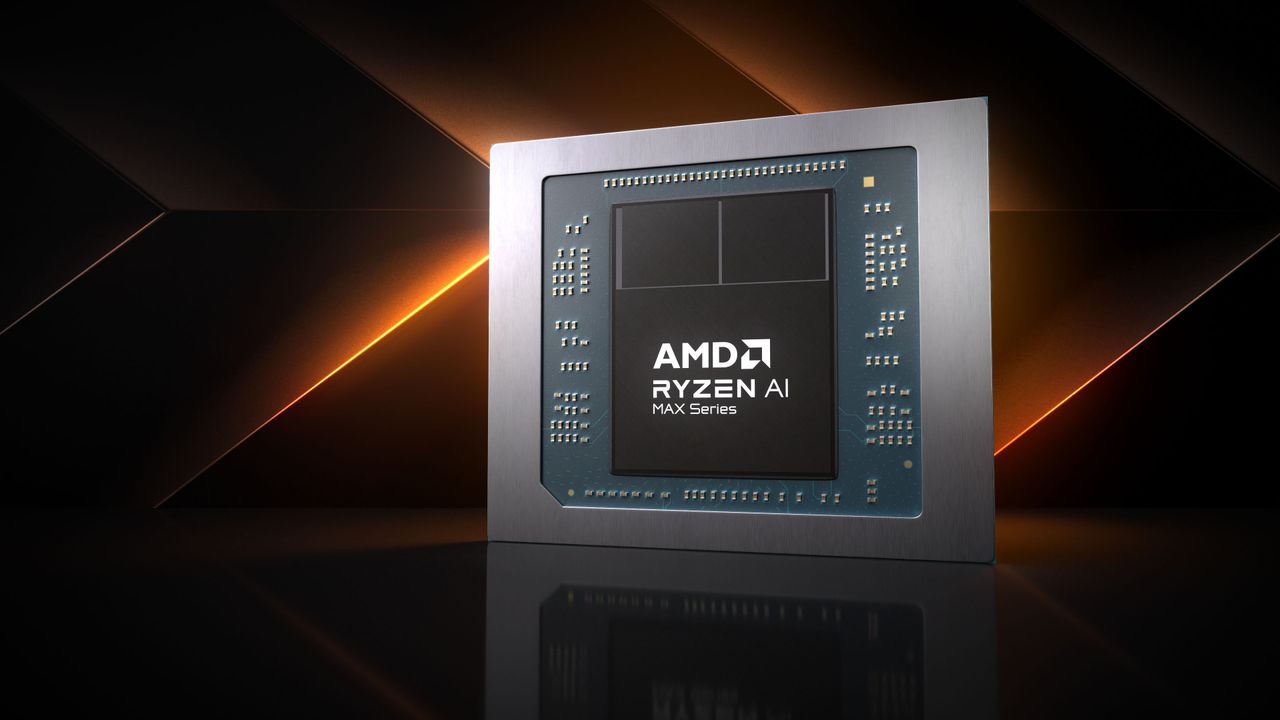
The chip itself sounds pretty solid on paper. Zen 6 CPU cores paired with RDNA 5 graphics – basically AMD's best stuff from 2027. But honestly? I'm more interested in that memory setup. Current high-end APUs already show what's possible when you feed them properly. My Ryzen AI MAX 395 review unit crushes games at 1080p, and that's with "only" 256 GB/s of bandwidth.
Now before anyone gets too excited, remember this is still a leak. AMD hasn't confirmed anything, and we're talking about hardware that's at least a year out. But if they can deliver this kind of memory bandwidth in a laptop chip? That changes everything. We could be looking at APUs that genuinely compete with discrete GPUs in the midrange segment.
The real question is pricing. AMD's current Halo APUs already command premium prices. Add cutting-edge LPDDR6 to the mix, and these things won't be cheap. But for thin laptops that need serious graphics grunt without a discrete GPU? This could be exactly what we've been waiting for.