China's Glass Chip Substrates Could Change Everything
Forget silicon wafers. China's betting big on glass substrates for next-gen processors, and honestly? This could shake things up.
Scout Team
Okay so I saw this news and had to share because this is actually huge. China's jumping into glass substrate manufacturing for semiconductors, and before you roll your eyes thinking "another chip story," hear me out. This tech could legitimately change how we make processors.
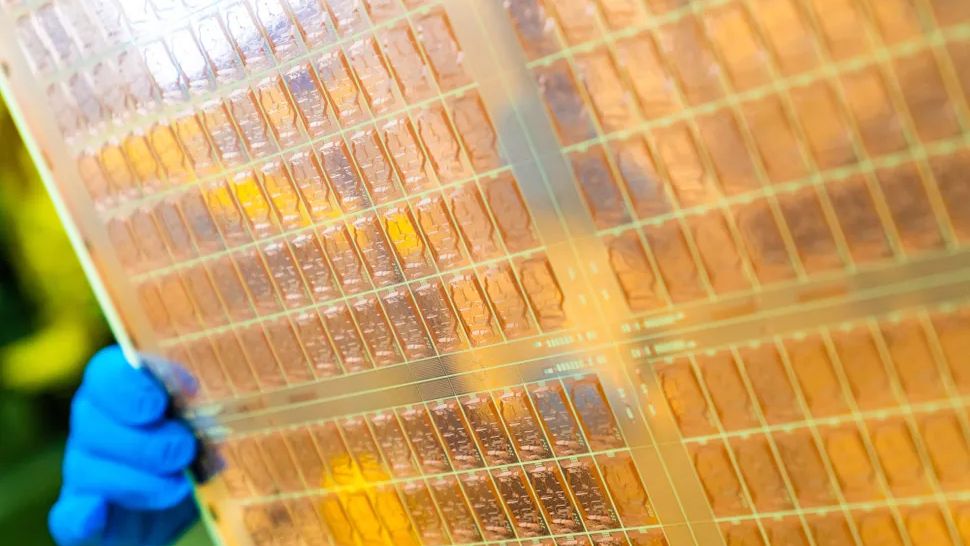
Here's what's wild. Traditional chip packaging uses organic materials that, let's be honest, are getting pretty long in the tooth. They expand when hot, they're not great at conducting heat away, and as chips get more powerful, these old-school materials are becoming a real bottleneck. Glass substrates? Totally different story. They stay stable at high temps, conduct heat better, and can handle way more connections between components. Intel's been talking about this for years, but China's actually moving to mass produce the stuff.
The timing here is fascinating. With chip packaging becoming the new battleground (since we're hitting limits on how small we can make transistors), whoever cracks better packaging wins. And glass substrates could mean thinner laptops, phones that don't turn into hand warmers, and data centers that don't need industrial cooling. The price? That's the big question. Glass isn't exactly cheap to work with at nano scales.
What really gets me is how this fits into the bigger picture. China's not just copying existing tech anymore - they're pushing into genuinely innovative territory. If they nail the manufacturing process and get costs down, every major chip maker will need to pivot or get left behind. Samsung and TSMC are probably having some interesting meetings right about now.
Bottom line? Keep an eye on this space. By 2027, your next laptop might have glass inside doing things silicon never could. And yeah, that's as cool as it sounds.