Nvidia's Jensen Huang Gets Real About AI Chip Economics at CES
The CEO dropped truth bombs about why software beats hardware profits and what's actually limiting AI growth right now.
Scout Team
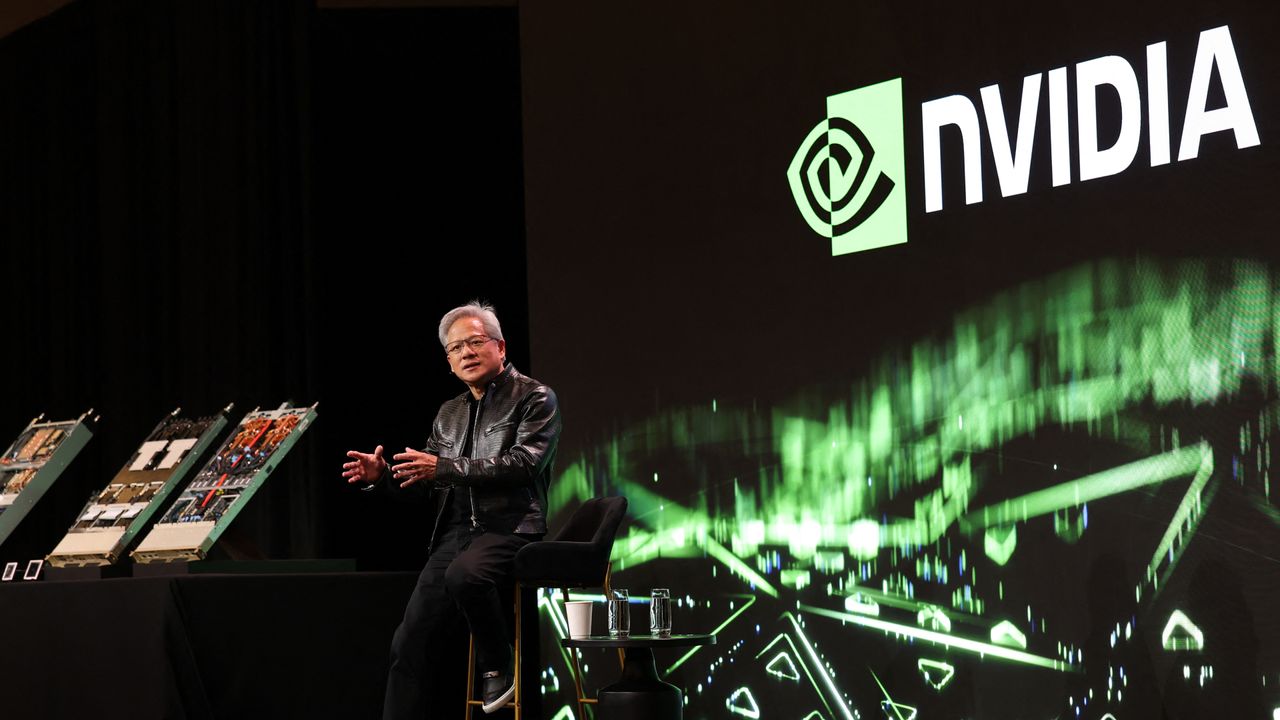
Okay so I saw this press conference with Jensen Huang at CES and had to share some of the juicy bits. The Nvidia CEO basically laid out why the company is so obsessed with software these days, and honestly, it makes total sense when you hear him explain it.
Here's the thing that stuck with me: Huang straight up said you sell a chip once and that's it. But software? That's the gift that keeps on giving. You maintain it, update it, charge for it repeatedly. No wonder Nvidia's been pushing CUDA and all their AI frameworks so hard lately. They're not just a chip company anymore - they're building this whole ecosystem that keeps developers locked in.
But wait, why should we care? Well, Huang also talked about the real bottlenecks facing AI right now, and surprise surprise, it's not just about making faster chips. Power delivery is becoming a massive headache. These new AI systems are so power-hungry that data centers literally can't feed them enough juice. That's why Nvidia's new Rubin architecture (yeah, they're already talking about what comes after Blackwell) is focusing hard on efficiency, not just raw performance.
What really caught my attention was his take on open AI models. While everyone's freaking out about closed systems, Huang seems pretty chill about the whole thing. He thinks the market will sort itself out with both open and closed models coexisting. Smart money says he's probably right - competition usually finds a way.
The economics of inference versus training also came up, and this is where things get interesting for anyone building AI products. Training is the expensive part everyone talks about, but inference - actually running these models - is becoming the real money game. That's where Nvidia sees the long-term revenue, especially as more companies deploy AI in production.