Those "Eco-Friendly" Medical Sensors? They're Making Microplastics
Northeastern University just found out biodegradable electronics aren't as green as we thought. The culprit? PEDOT:PSS breaks down into microplastics.
Scout Team
Okay so I saw this research and had to share because it's kind of a big deal for anyone tracking the whole biodegradable tech movement. You know how medical researchers have been using these supposedly eco-friendly electronics for sensors and implants? Well, turns out they're not exactly saving the planet like we thought.
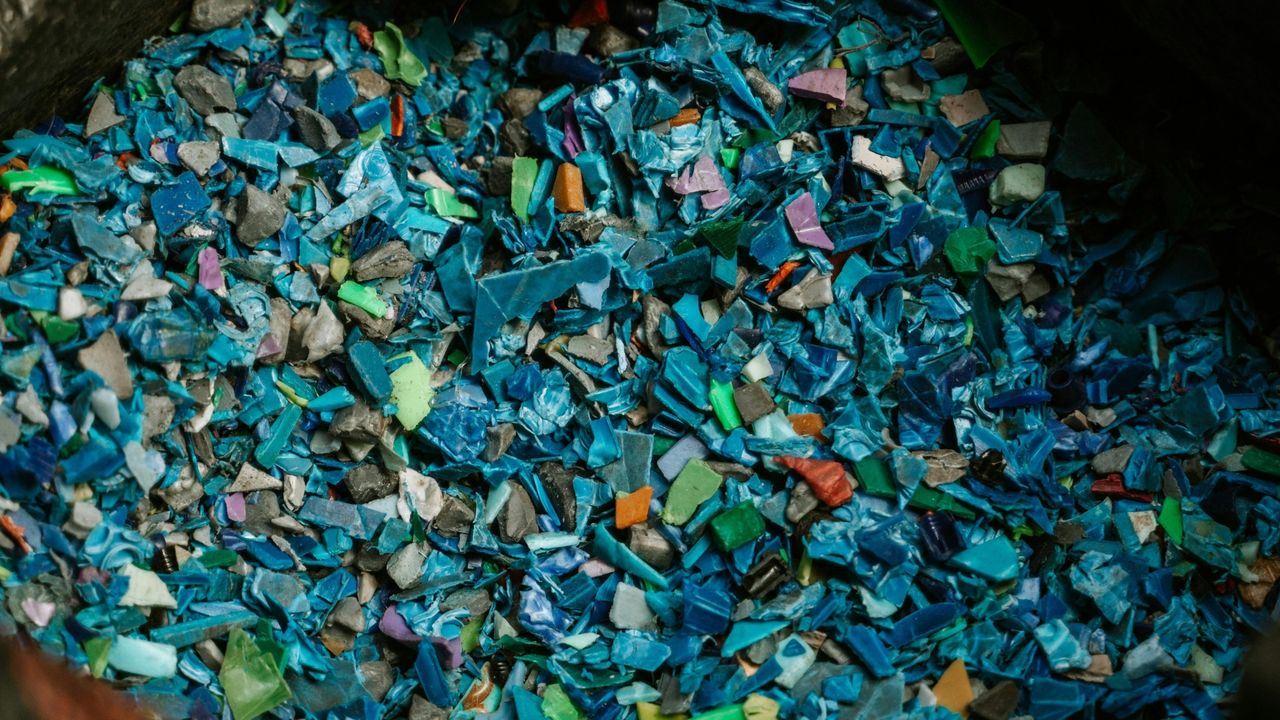
Researchers at Northeastern University just dropped some uncomfortable truth about PEDOT:PSS - that's the material everyone's been using for flexible, biodegradable medical electronics. Here's the kicker: when this stuff breaks down, it doesn't just disappear. It turns into microplastics. Yeah, the same tiny plastic particles we're trying to get out of our oceans and food supply.
What gets me is how long we've been using this material thinking we were doing the right thing. PEDOT:PSS has been the go-to for medical sensors, wearable health monitors, even some implantable devices. The whole selling point was that it would harmlessly dissolve when we were done with it. But nobody really checked what happens during that breakdown process until now.
This honestly changes how I think about "green" tech claims. Just because something's biodegradable doesn't mean it's harmless. And for medical applications? That's extra concerning since these materials often end up in direct contact with our bodies. The researchers didn't get into specific health impacts yet, but finding microplastics where we expected safe degradation is definitely not ideal.
Makes you wonder what other eco-friendly materials we're using without really understanding their full lifecycle. I'm not saying we should panic, but maybe it's time to actually test these materials properly before calling them sustainable solutions.