NovelKeys · Mechanical Switches
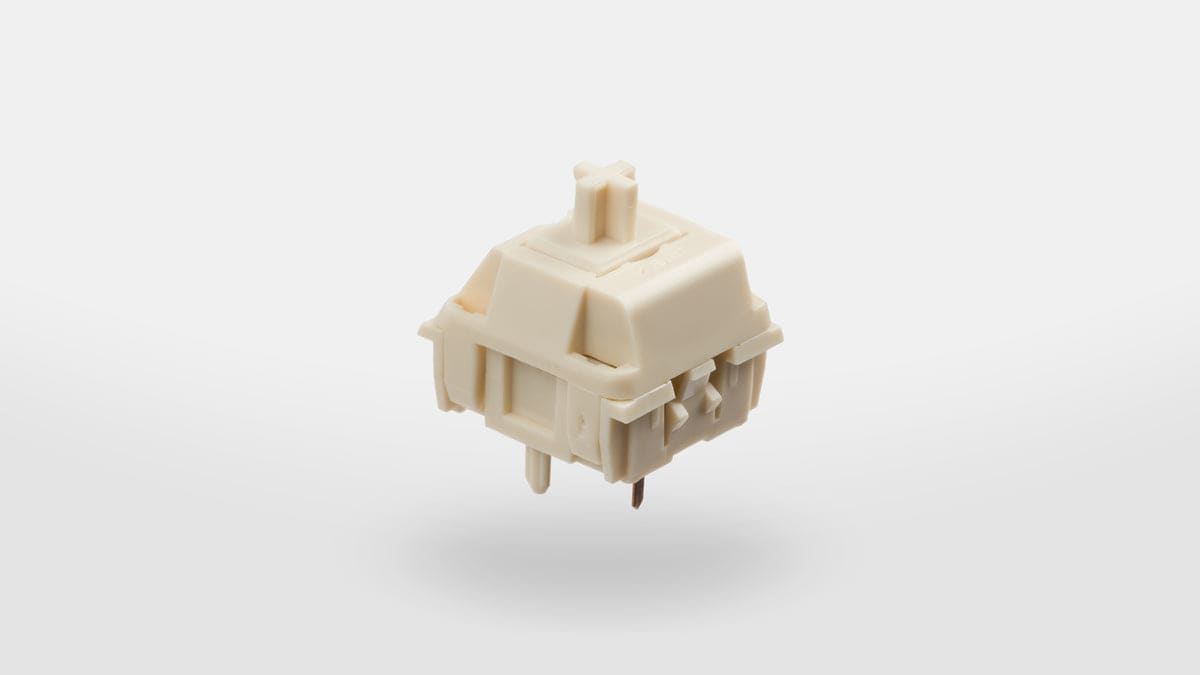
NovelKeys NK Cream (110pcs)
UHMWPE housing, 55g actuation, and a tone so distinct you'll recognize it blindfolded. The NK Cream is boutique personality at a $35 price tag.
Our Review
GearScout Score
8.7/10
Best for
Keyboard builders who want a complete-sounding build without a dedicated lube session
8.7
Performance
8.8
Build
—
Comfort
8.7
Value
Our Verdict
UHMWPE housing gives NK Creams a factory-dry acoustic identity no nylon linear matches at $35 for 110 switches.
How We Tested
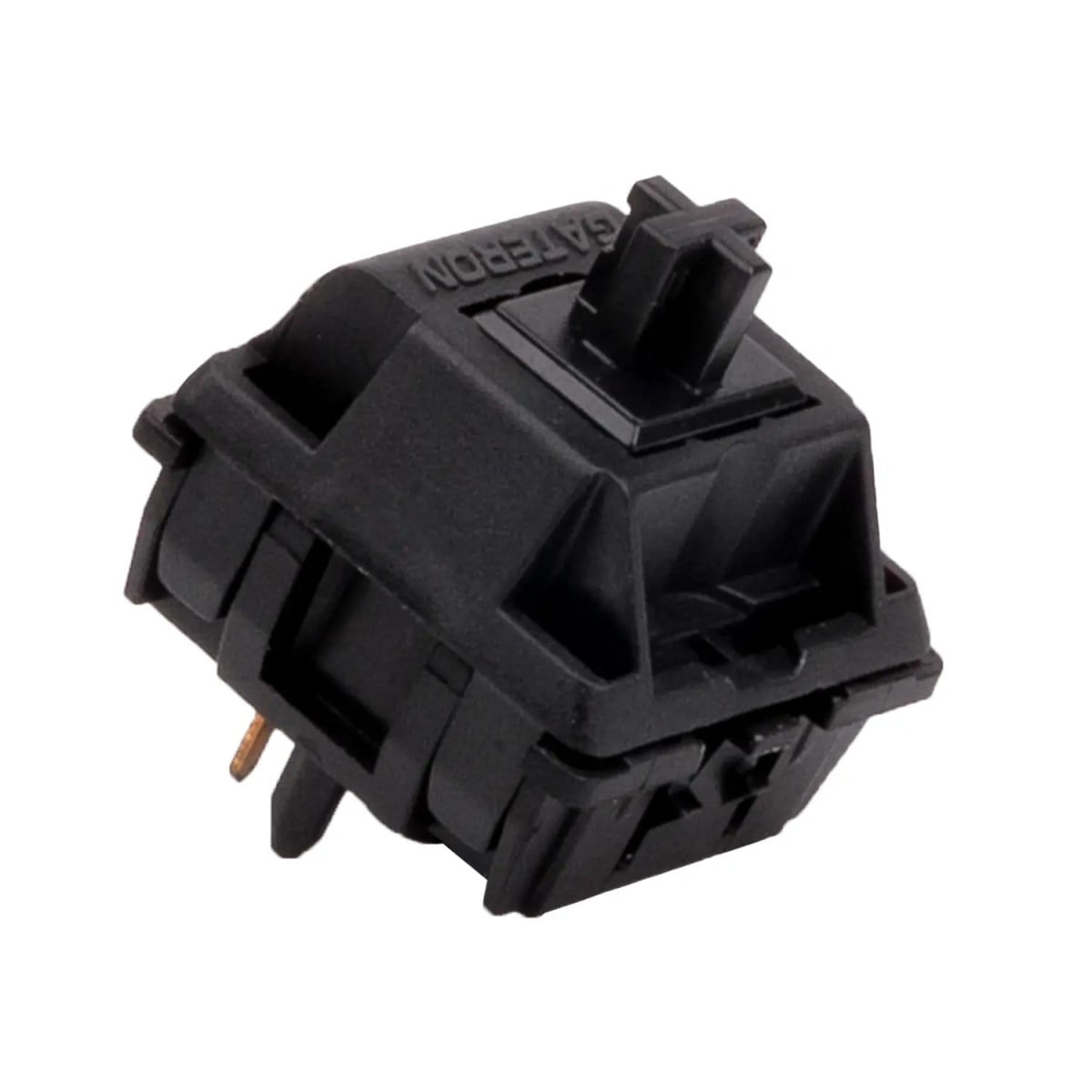
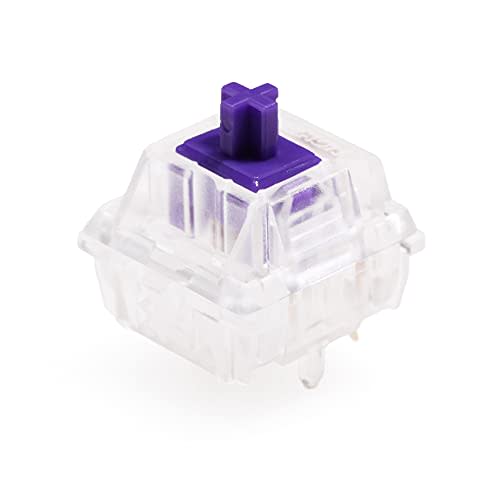
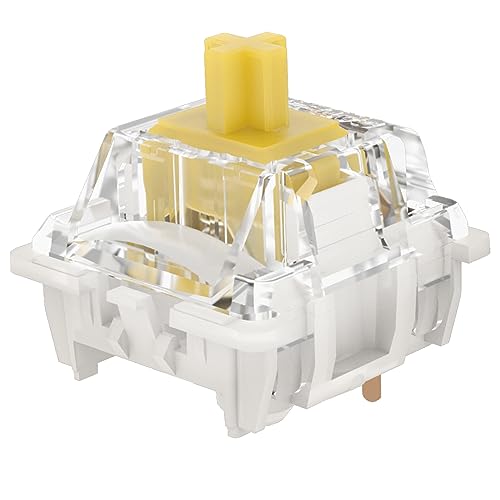
Tested over two weeks in a KBD67 Lite with brass plate, comparing factory-dry and 205g0-lubed halves of the same batch against Gateron Yellow Pros, Durock POM Linears, and JWK Creamy Yellows. Daily use split between Valorant and CS2 gaming sessions and long-form typing, plus a 30-minute continuous actuation stress test to check stem wobble progression and acoustic change under heat.
Full Review
There's a moment in every keyboard builder's life where they stop chasing "smooth" as an abstract goal and start understanding that different plastics have entirely different acoustic identities. I had mine the first time I sat down with a board full of NK Creams. The switch doesn't just feel linear - it announces itself. That low, muted thock is not something you dial in with lube and foam. It comes baked into the material, and that changes the entire conversation about how you should approach building with it.
The headline spec is the housing material: UHMWPE, or ultra-high-molecular-weight polyethylene. Most linear switches are housed in nylon or polycarbonate, both of which have well-documented acoustic profiles. UHMWPE is different. It's a self-lubricating plastic, meaning the polymer chains have a lower coefficient of friction against each other without any added lubricant. The result is a 55g actuation force that feels lighter than 55g because the stem isn't dragging against the housing walls the way it would in a standard nylon-body switch. Total travel sits at 4mm, actuation point at 2mm, both conventional for a linear in this class. NovelKeys rates these at 50 million keystroke lifespan, which is on the modest side compared to the 100-million ratings you see on Gateron Yellows, but 50 million is still years of daily use for most people. The pack count of 110 covers a full-size board with enough spares for any casualties during installation.
Here's how I ran these for two weeks. I built them into a KBD67 Lite with a brass plate for the primary test environment, since brass amplifies material-level acoustics better than aluminum or polycarbonate. My comparison bench included a set of Gateron Yellow Pros (factory lubed), Durock POM Linears, and JWK Creamy Yellows - all linears in the $30-$45 per 70-count range. I ran the NK Creams factory dry for the first five days, then lubed half the batch with Krytox 205g0 and ran both sets for another nine days. I typed approximately three to four hours daily across both gaming sessions (Valorant ranked, CS2 scrims) and long-form writing work. I also ran a deliberate stress test: mounted switches in a hot-swap board and cycled full actuation sequences for 30 minutes straight to check for stem wobble progression and any change in acoustic character under heat.
The factory-dry results are where NK Creams genuinely surprise. Most unlubed linears sound scratchy or hollow - the stem riding the rails of a dry housing creates a mid-frequency rasp that experienced builders immediately want to fix. Creams don't do that. The UHMWPE self-lubricating property isn't marketing language; it's audible. The factory-dry stroke sounds dampened and intentional, not unfinished. Compared side-by-side with factory-dry Gateron Yellow Pros (which sound noticeably hollow until lubed), the Creams already sound like a finished build. That distinction matters enormously if you're not confident in your lubing technique or simply don't want to spend four hours with a brush and lube station.
When I applied 205g0 to the lubed half of the batch, the character shifted rather than improved. The self-lubricating property means you're not filling in a deficit - you're layering on top of an already functional surface. Over-lubing Creams is easy and punishes you with a mushy, slightly imprecise bottom-out feel. The sweet spot, if you do lube them, is a thin coat on the rails only, skipping the stem legs entirely. The factory-dry set and the conservatively-lubed set ended up sounding nearly identical after a few days of break-in, which is not something I can say about any other switch in this comparison group. For gaming specifically, the 2mm actuation point behaved consistently under rapid keystroke sequences in Valorant - no false actuations, no perceptible hysteresis issues.
The tradeoffs are real and you should know them going in. First, Creams are louder than their acoustic character implies. The dampened, creamy tone is not quiet - it's distinctively toned. In an open office or shared space, this board will be heard. Second, the 50 million keystroke rating is a legitimate concern for heavy typists. It's not a dealbreaker, but it's a shorter warranty on longevity than you get from competitors at similar prices. Third, the factory-dry approach that makes these so appealing to beginners also means break-in is noticeable. The first hour of typing feels slightly different from hour forty - the plastic genuinely changes character as the surfaces seat against each other. If you test these in a store or a friend's board and then buy a fresh set, expect a brief adjustment period. Finally, the stem wobble on Creams is measurable. It's not catastrophic, and it doesn't produce audible rattle in most builds, but builders who are sensitivity-testing with films will find it present. Deskey or Thicc films help if that bothers you.
The bottom line is straightforward. NK Creams are a distinct, personality-driven switch that earns its reputation not through raw specification superiority but through material character. At $35 for 110 switches, you're paying roughly 32 cents per switch, which is competitive with most mid-tier linears that require additional lubing investment to sound decent. The UHMWPE housing delivers a genuine auditory identity that no amount of post-processing on a nylon switch will replicate. This is the right switch for a builder who wants a finished-sounding keyboard without an advanced lube session, or someone building a dedicated typing board who wants a voice that stands apart from the sea of smooth-and-silent options. It is not the right switch for someone who wants ultra-quiet office use, or for a competitive shooter player who prizes the absolute lightest tactile feedback window - at 55g actuation, you'll find lighter options in this price range.
Marcus, Scout Gear Team
Best For
Pros
- UHMWPE self-lubrication sounds finished factory-dry, no lube session required
- 55g actuation with below-spec friction feel due to polymer surface properties
- Distinctive creamy tone not reproducible by post-processing nylon switches
- 110-count pack covers full-size builds with spares at 32 cents per switch
- Consistent 2mm actuation point held up clean under rapid gaming keystroke sequences
Cons
- 50 million keystroke rating falls short of competitors' 100-million benchmarks
- Audible break-in period: first hour feels meaningfully different from hour forty
- Over-lubing is easy and degrades the bottom-out precision the housing naturally provides
- Measurable stem wobble benefits from switch films in acoustically sensitive builds

Marcus, Scout Gear Team
Mechanical Switches Specialist • 14 days of testing
May 26, 2026
View profile
Key Features
Specifications
Where to Buy
Compare prices from 4 retailers
Frequently Asked Questions
Common buyer questions about the NK Cream (UHMWPE), answered by Marcus