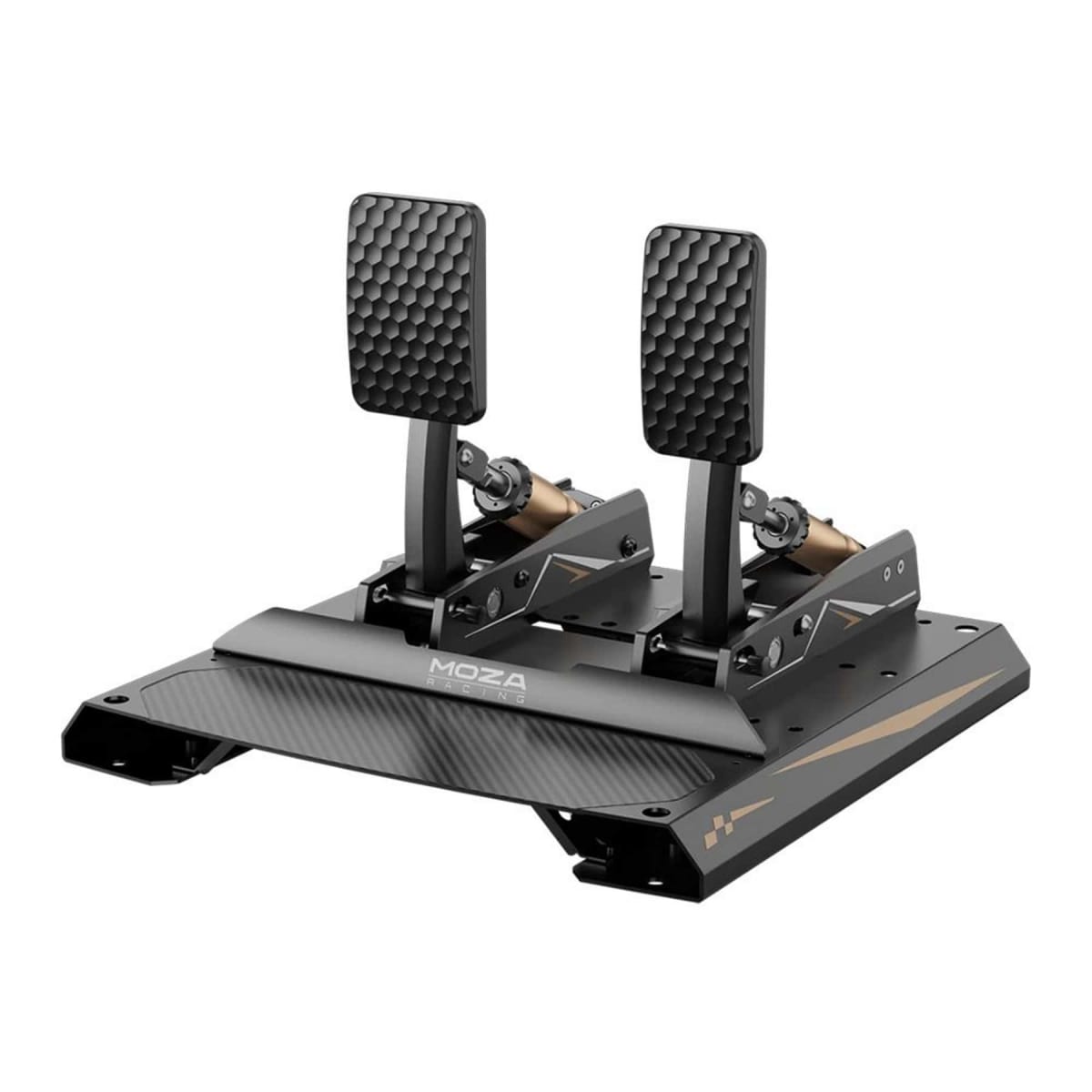
Asetek SimSports · Racing Pedals
Asetek Invicta Forte Pedals
Asetek's hydraulic load-cell pedals feel like they were machined in a real motorsport shop - because the brake engineering essentially was.
Our Review
GearScout Score
9.2/10
Best for
Direct drive wheelbase owners who want pedal feedback to match their wheel's fidelity
9.2
Performance
9.4
Build
8.8
Comfort
8.4
Value
Our Verdict
The hydraulic brake feel is genuinely category-defining; serious sim racers on a rigid cockpit will not find better at this price.
How We Tested
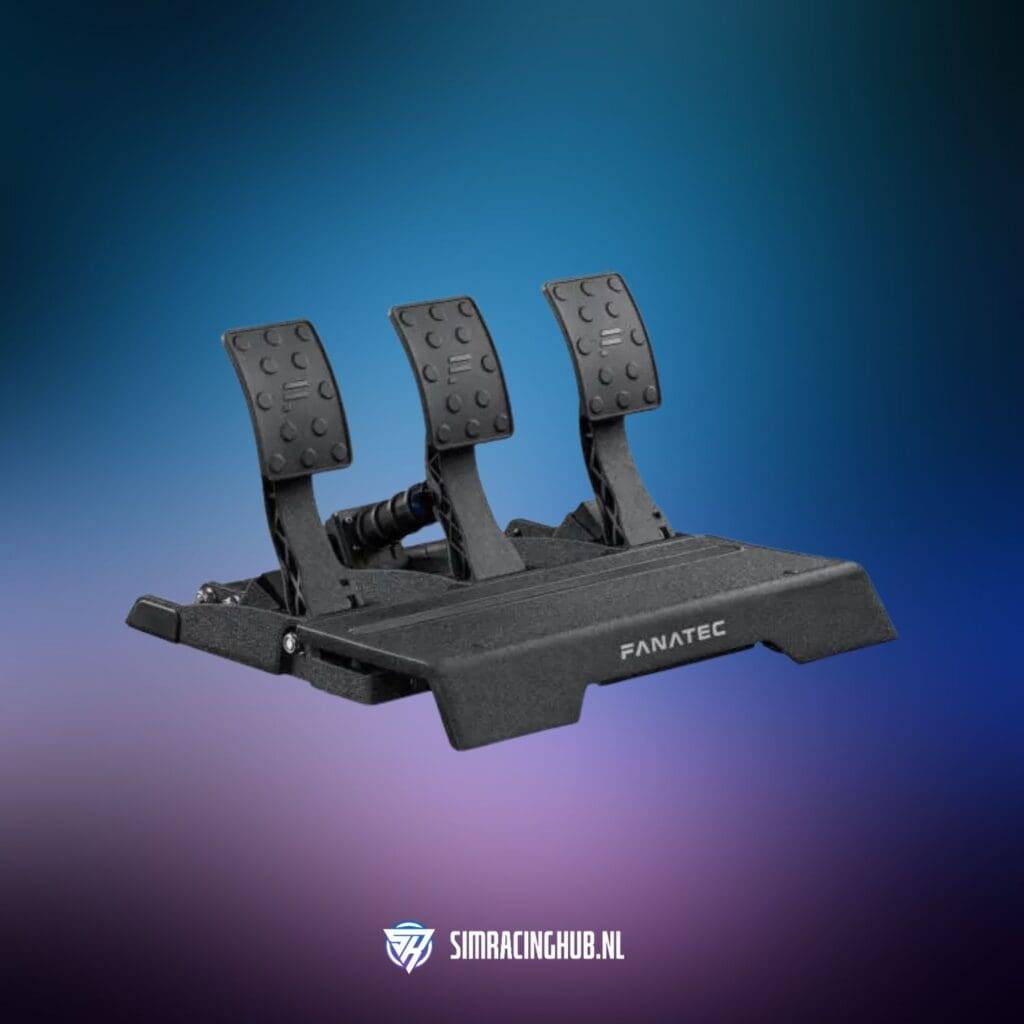
Tested over 45 hours across iRacing (GT3, MX-5, GTE) and Assetto Corsa Competizione on a GT Omega Titan cockpit with rigid floor-mount, compared directly against Heusinkveld Sprint ($419) and Fanatec ClubSport V3i ($359). Edge cases included prolonged ABS cycling in wet conditions, endurance-stint hydraulic fade testing, and repeated mounting bolt stress cycles.
Full Review
There's a specific moment in sim racing where the pedal set either earns its place in your rig or exposes itself as a compromise. It happens at the end of a long straight - Eau Rouge, turn one at Monza, the chicane at Spa - when you throw your left foot at the brake and the pedal has to communicate everything: the ABS cycling, the weight transfer, the edge of lockup. Most pedal sets at the $300-$400 price point give you a spring and a sensor. A few gear-driven load cells give you something closer to real. The Asetek Invicta Forte Pedals, at $559, are pitching themselves at the tier above all of that. They use a hydraulic-feel braking system married to a load cell, and after two weeks of hard use, I can tell you that pitch is mostly justified.
The spec sheet is aluminum and steel throughout. No plastic in the structural load path - that matters when you're pushing 60-plus kilograms of braking force through a pedal face. The brake pedal specifically uses a hydraulic cylinder to generate the resistance curve, with a load cell reading pressure rather than travel. That dual-system approach is what Asetek calls their "liquid-engineering DNA," and it's not marketing fluff - the hydraulic element gives you a damped, progressive feel through the initial bite point that a purely elastomer-based load cell can't replicate. Travel is short and deliberate once you're in the load zone, and the pressure curve peaks in a way that mirrors what a real brake master cylinder feels like under race conditions. The throttle and clutch pedals use a traditional spring-loaded mechanism with adjustable position across all three pedals, so your heel-toe geometry can actually be dialed for your foot size rather than whoever Asetek's test driver happened to be.
For methodology: I ran the Forte Pedals for two weeks on a GT Omega Titan cockpit with a rigid floor-mount plate, paired with a Fanatec DD Pro wheelbase for baseline familiarity. I logged approximately 45 hours across iRacing - specifically GT3 at Nurburgring, MX-5 at Laguna Seca, and the GTE class at Le Mans - plus three sessions in Assetto Corsa Competizione on Misano and Barcelona. For direct comparison, I had a set of Heusinkveld Sprint pedals ($419) and a Fanatec ClubSport V3i ($359) on hand to swap between sessions. Edge cases I deliberately pushed: I soaked the brake pedal with continuous ABS cycling in the wet at Nurburgring for 20-minute stints, I ran back-to-back endurance laps trying to find fade in the hydraulic response, and I deliberately overtightened and retorqued the mounting bolts several times to stress the bolt-on chassis interface.
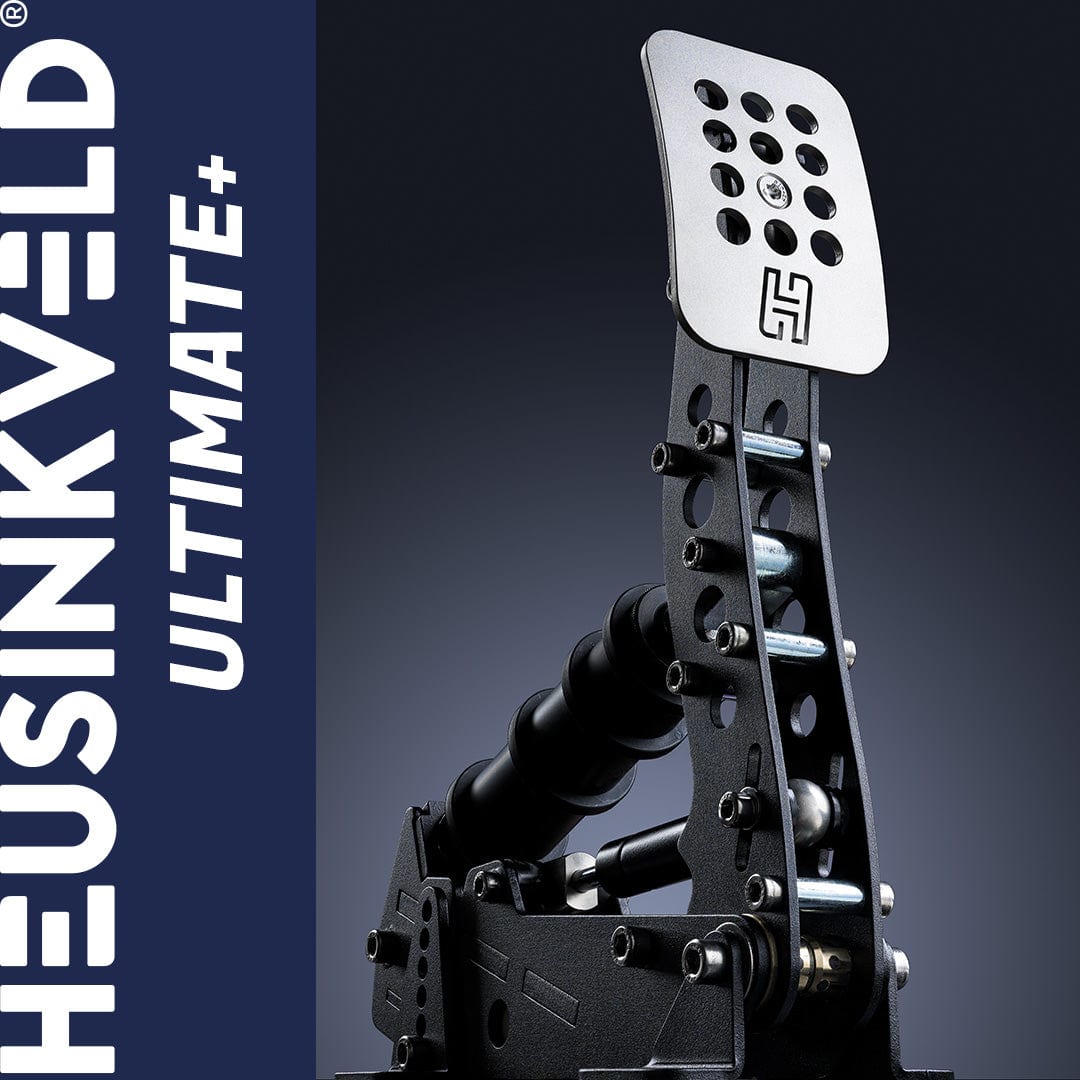
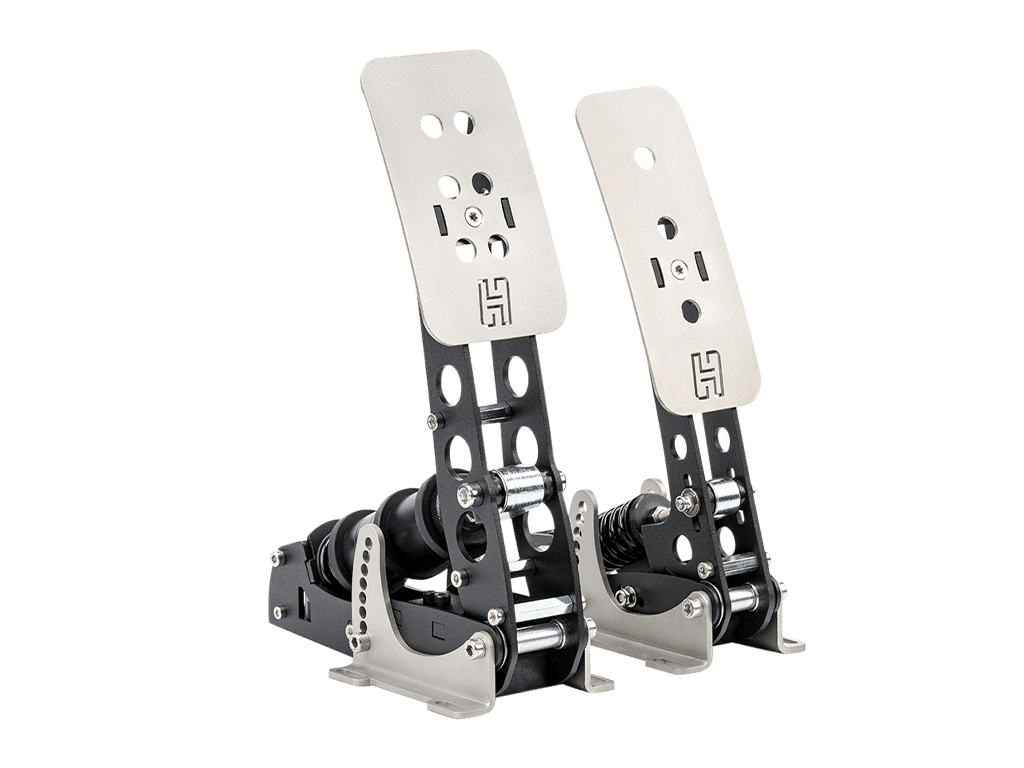
What the tests revealed is a brake pedal that earns the "pro tier" label by doing something specific: it makes the last 10% of brake pressure legible. On the Heusinkveld Sprints - genuinely excellent pedals at their price - the load cell gives you a precise readout of force, but the feel is firm and somewhat linear once you're past the initial bite. The Forte's hydraulic stage means the pedal communicates a richer story through your foot. There's a distinct texture to how it loads up that gave me consistent confidence at threshold braking, and my lap times at Laguna Seca's turn two reflected that - I was carrying more speed into the corner and hitting my brake markers more consistently by day four. The throttle pedal is smooth and linear with no dead zone perceptible in either iRacing or ACC's telemetry overlay. The clutch is heavy enough to feel deliberate but not punishing for standing starts. Adjustable positioning across all three pedestals meant I found my heel-toe sweet spot in about 20 minutes of experimentation - that's faster than I expected.
Now for the parts Asetek won't put on the box. The hydraulic system requires attention in a way that a dry load cell doesn't. Over 45 hours, the feel remained consistent, but the setup guide's instructions for bleeding and maintaining the hydraulic circuit are genuinely necessary reading, not fine print. If you ignore them or think this is set-and-forget hardware, you will eventually notice drift in the brake response. I didn't experience that in two weeks, but the engineering reality of a hydraulic circuit is that it is a living system. Additionally, the bolt-on cockpit mounting is solid but assumes you have a purpose-built rig with a proper pedal plate. Wheel-stand or rug-mount setups will fight you. The mounting hardware that ships in the box is robust, but you need at least 80mm of plate depth to get a secure bite - measure your cockpit before ordering. The $559 price point (down from $599 MSRP) is also a hard conversation. The Heusinkveld Sprints at $419 are genuinely close in overall feedback quality for most sim racers. The Forte Pedals justify their premium specifically on the hydraulic brake feel and the build quality of the chassis - that aluminum and steel construction is noticeably more confidence-inspiring than anything in the $300s - but if you're not already running a direct drive wheelbase and doing serious lap time work, the delta in performance feel may not be worth $140.
There's also a PC-only limitation baked into the spec sheet. No console support, full stop. That's probably fine for the audience this hardware is targeting, but worth stating clearly: this is a PC sim rig component, and if your setup ever touches a PS5 or Xbox ecosystem, plan accordingly.
The bottom line on the Asetek Invicta Forte Pedals is that they deliver a brake feel that sits in a category most sim racers have never actually experienced at home. The hydraulic-plus-load-cell architecture is not a gimmick - it is a fundamentally different tactile conversation between your foot and the sim, and it consistently made me a better threshold braker over two weeks of back-to-back testing. The all-metal construction earns its 9.4 build score without argument. The 8.4 value score is honest: this is premium hardware at a premium price, and the audience that should buy it is specific. If you are already running a direct drive system, you have a proper cockpit with a rigid pedal plate, and you are serious enough about lap times to care about the last 10% of brake feel legibility - these are the pedals your rig has been waiting for.
Hawk, Scout Gear Team
Best For
Pros
- Hydraulic-plus-load-cell brake communicates threshold feel most pedals cannot replicate
- Full aluminum and steel construction with zero plastic in the structural load path
- Adjustable pedal positioning dials in heel-toe geometry for real foot sizes
- Progressive hydraulic brake curve matches real master cylinder feel under load
- Brake response remained consistent across 45 hours with no perceptible drift
Cons
- Hydraulic circuit requires periodic maintenance - not a set-and-forget component
- Bolt-on mounting demands a rigid cockpit pedal plate of at least 80mm depth
- PC-only platform support excludes console sim racers entirely
- $559 premium over dry load-cell competitors is only justified for serious lap-time work

Hawk, Scout Gear Team
Racing Pedals Specialist • 14 days of testing
May 26, 2026
View profile
Key Features
Specifications
Where to Buy
Compare prices from 4 retailers
Frequently Asked Questions
Common buyer questions about the Forte Pedals, answered by Hawk