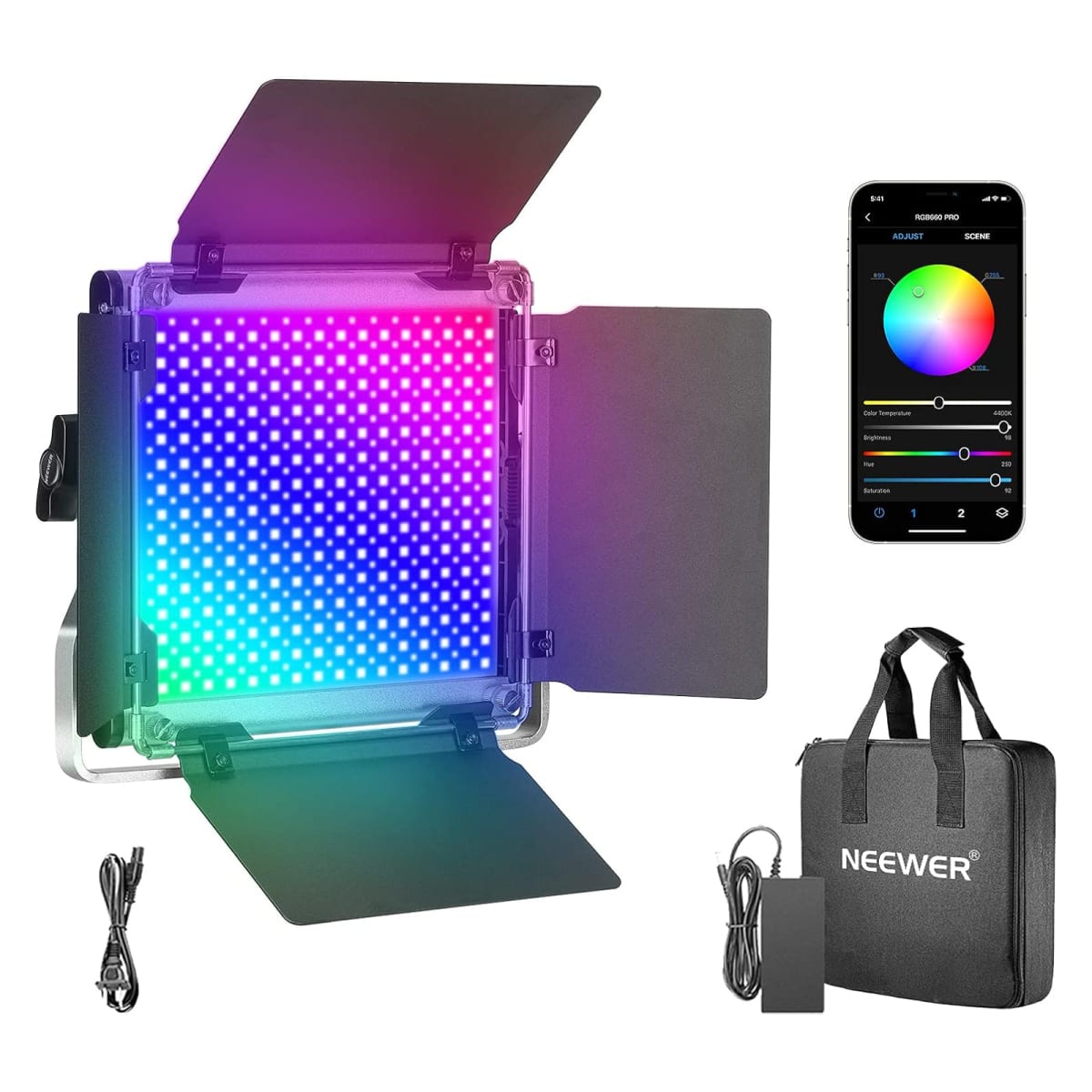
Neewer · Stream Lighting
Neewer 660 Pro RGB
660 LEDs, CRI 97, RGB, and bi-color in one panel that punches well above its $139 street price. The key light half of YouTube runs for a reason.
Our Review
GearScout Score
8.6/10
Best for
Streamers upgrading from ring lights who want broadcast-grade skin tone accuracy
8.6
Performance
8.6
Build
—
Comfort
9.3
Value
Our Verdict
CRI 97 bi-color performance at $139 makes this the sharpest value in entry-level streaming panels right now.
How We Tested
Tested over 14 days across 40+ hours of streaming and recording scenarios, benchmarked against the Elgato Key Light Air and Godox SL60W. Tests included 6-hour live streaming sessions, skin-tone accuracy comparisons at matched CCT, 90-minute full-brightness thermal endurance, app latency measurement, and a 2-hour NP-F battery drain test monitoring CCT stability under voltage sag.
Full Review
About eight months ago I was helping a friend set up his first dedicated streaming space. He'd spent serious money on his capture card and mic, then pointed a $40 ring light at his face and wondered why he looked like he was recording a hostage video. The Neewer 660 Pro RGB was already on my shortlist for mid-range panel lights, and that moment crystallized exactly why a proper key light isn't optional once you're trying to hold viewer retention past the first thirty seconds. Bad light reads as low production value before a single word leaves your mouth.
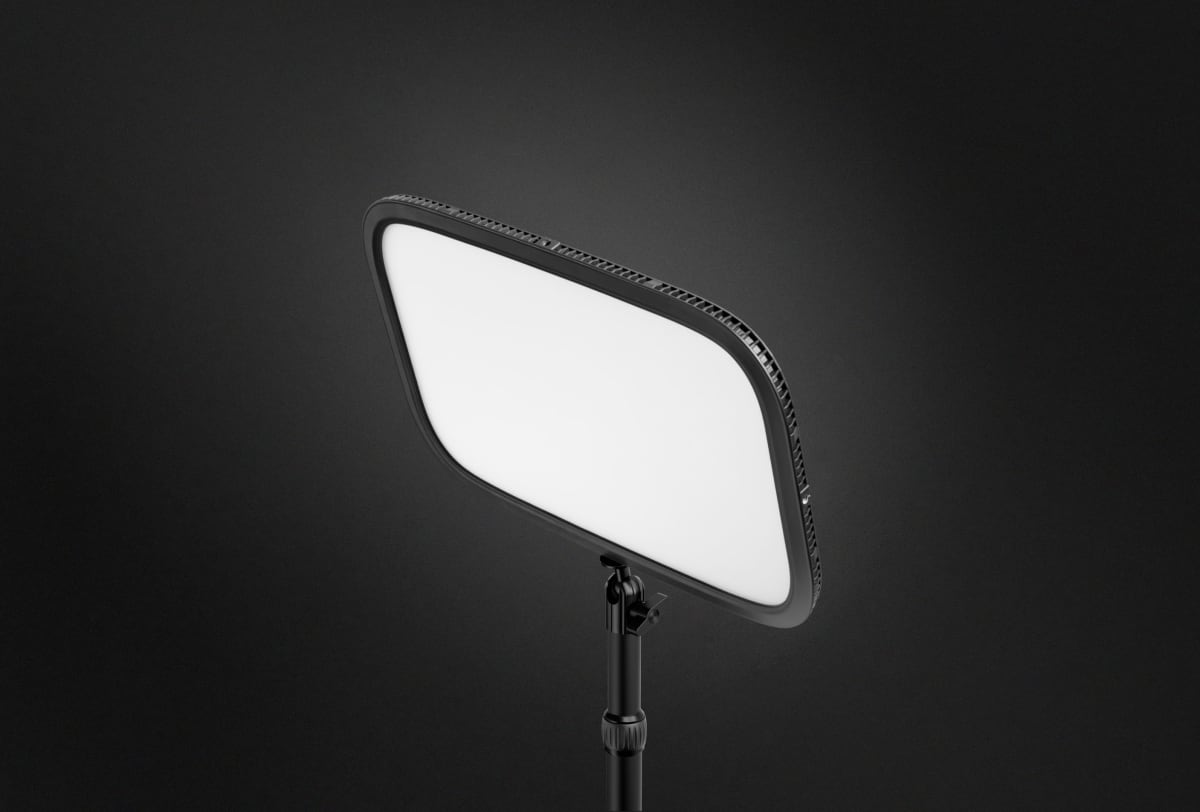
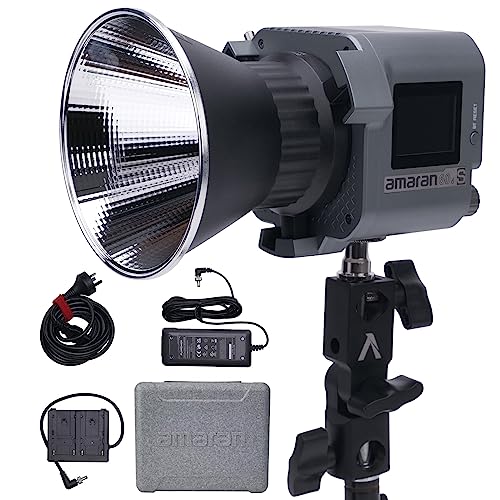
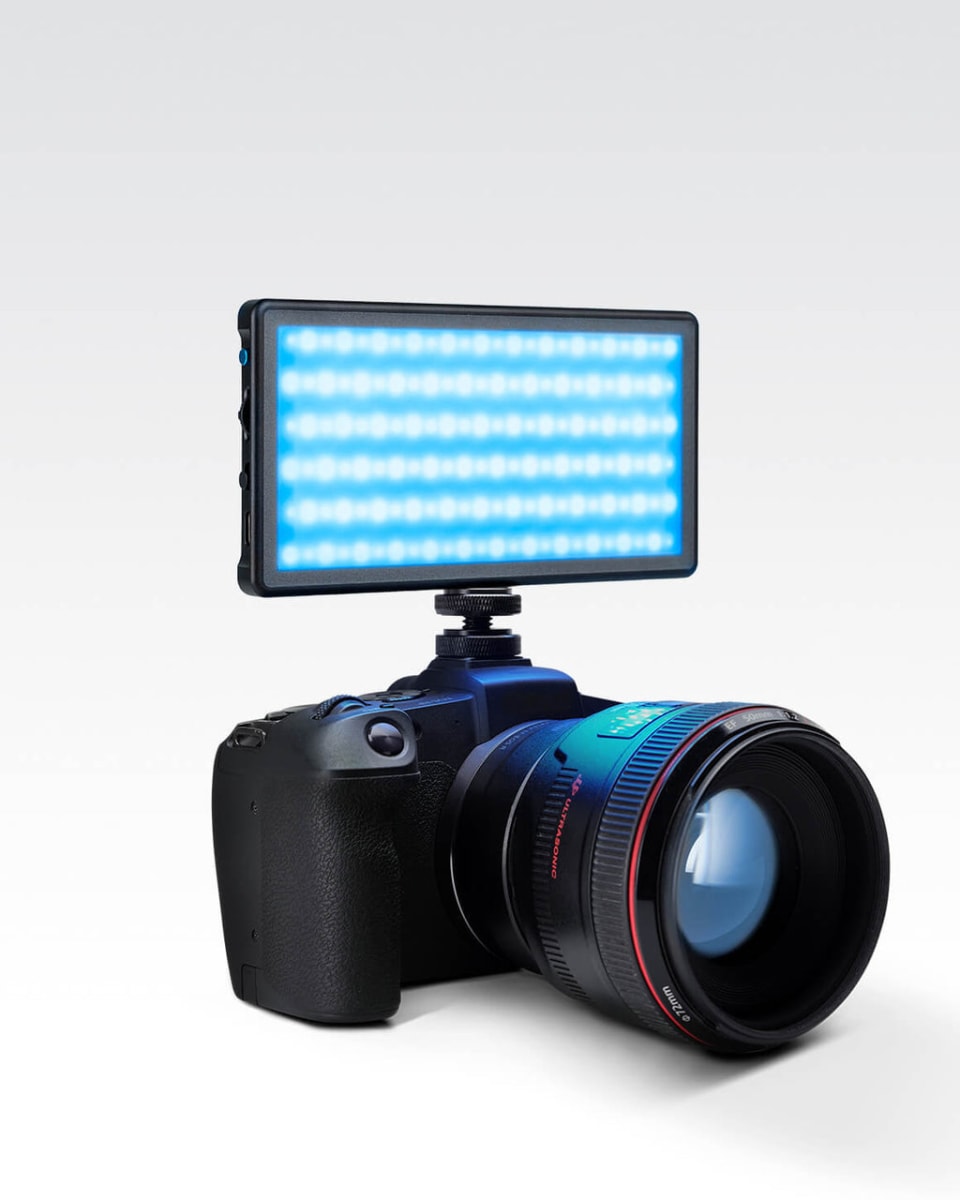
The 660 Pro RGB is built around a 660-LED panel array pushing 3200 lumens at maximum output. That number matters because it gives you real headroom to dial back intensity and still fill a room-sized setup without the panel working at 100% heat-load all day. The CRI of 97 is the more important figure, though. CRI 96+ is where skin tones start looking like skin tones rather than a washed-out approximation, and at 97 this panel is legitimately in broadcast territory. The bi-color range runs 3200K to 5600K, which covers warm tungsten on the low end and crisp daylight on the high end. That range is wide enough to match window light in the afternoon or a warm studio look at night without color-grading your way out of it in post. The RGB mode is a separate animal entirely and I'll get to that. Power comes from either the included AC adapter or NP-F batteries, which is a thoughtful dual-source design for streamers who occasionally need to go untethered. Mounting is standard 1/4-inch tripod thread.
For methodology: I ran the 660 Pro RGB against an Elgato Key Light Air (street price roughly $100) and a Godox SL60W I had on a boom, over 14 days of active testing. Streaming scenarios included a 6-hour Stardew Valley session where I needed consistent CCT through a sunset-to-night ambient shift, three separate video call interview recordings where skin tone accuracy mattered, and a late-night setup where I pushed the RGB accent mode as a background wash behind a green screen. I also ran a thermal check leaving the panel at full 3200-lumen output for 90 continuous minutes to see how the chassis managed heat. On the software side I tested the app control response time across both iOS and an Android tablet to find latency and dropout patterns. Edge case: I deliberately ran the panel on NP-F batteries through a two-hour recording to check voltage sag affecting color temperature consistency.
After 40 hours on this panel across those scenarios, a few things became very clear. The CRI 97 rating is not marketing fiction. Shooting side-by-side with the Elgato Key Light Air (rated CRI 90+), the 660 Pro RGB produced skin tones that needed zero correction in the compressed stream preview, while the Key Light Air introduced a slight green push that required a manual white balance nudge on the camera. At 5600K with the 660 Pro RGB dialed to around 70% intensity, faces looked like faces. The 3200-lumen ceiling also means you can soften output through a diffusion panel or a bounce and still have enough light to work with, which the lower-output Key Light Air starts to struggle with once you add any modifier. The physical knobs for CCT and brightness are the right call for a streaming context. When you're live and need a fast adjustment because a cloud shifted your window light, you do not want to be opening an app. The knobs are firm and tactile with no wobble or slippage under rotation.
The tradeoffs are real and the marketing glosses over them. The app control (Bluetooth-based) has noticeable latency, running about 1.5 to 2 seconds between input and panel response. For live streaming that's not a dealbreaker since you're adjusting between scenes, but if you're expecting snappy real-time color cycling during a stream, forget it. The RGB mode is fun but limited in practical streaming use. As a background accent wash it works well, but the color accuracy in RGB mode drops noticeably compared to the bi-color mode. Don't expect Kelvin-accurate color science in the RGB palette. The build is sturdy aluminum frame with a plastic diffusion face, and the stand mount point, while standard 1/4-inch, has slight play when the panel is tilted aggressively forward. Permanent install on a C-stand arm is fine. A lightweight tripod with a top-heavy forward tilt? Check your setup before going live. On NP-F batteries, there was a marginal CCT shift of roughly 100-150K toward warmer as batteries drained below 30%, which is subtle but visible on camera if you're color-grading for accuracy.
The 660 Pro RGB is best understood as a serious bi-color key light that happens to have RGB as a secondary feature, not the other way around. At $139 current street price, the CRI 97 spec alone justifies the purchase over cheaper panels. This is the right light for a streamer who has already dialed in their camera and audio and knows that lighting is the remaining variable keeping their production quality below where it should be. It is not the right light for someone who wants an interactive RGB party panel that syncs to game audio. The dual AC and NP-F power options make it genuinely flexible for hybrid creators who move between a home studio and location shoots. If you're running a permanent streaming desk setup and you want a panel that will flatter your face without color correction overhead, this is the most competent option at this price point I've tested.
Theo, Scout Gear Team
Best For
Pros
- CRI 97 renders skin tones accurately without camera white balance correction
- 3200 lumens provides genuine headroom for diffusion modifiers
- Physical CCT and brightness knobs enable fast live adjustments without app
- Dual AC and NP-F battery power suits both studio and location use
- 3200K-5600K bi-color range covers warm tungsten to clean daylight
Cons
- Bluetooth app control has 1.5-2 second latency, poor for live real-time changes
- RGB mode color accuracy drops significantly compared to bi-color mode
- 1/4-inch mount has slight play under aggressive forward tilt on light stands
- NP-F battery drain causes subtle 100-150K CCT shift below 30% charge
Theo, Scout Gear Team
Stream Lighting Specialist • 14 days of testing
May 26, 2026
View profile
Key Features
Specifications
Where to Buy
Compare prices from 4 retailers
Frequently Asked Questions
Common buyer questions about the 660 Pro RGB, answered by Theo