Razer · Controllers
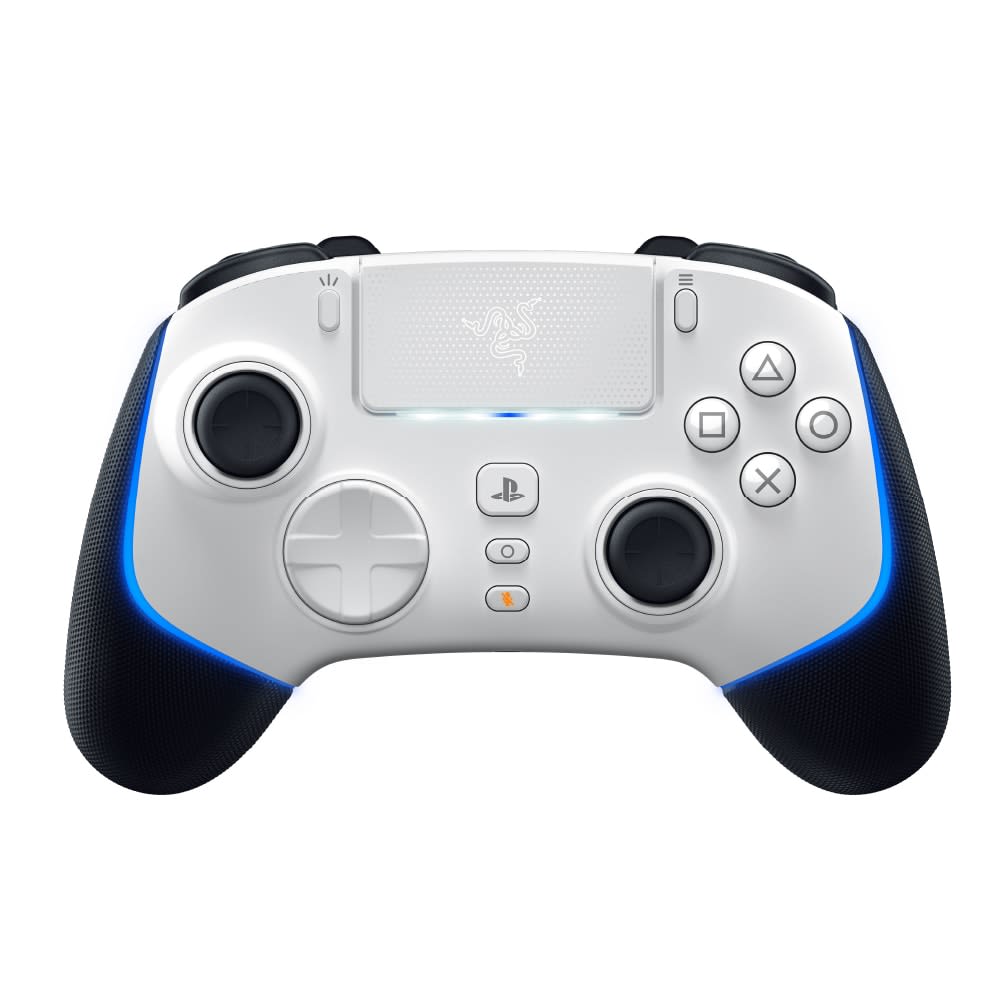
Razer Wolverine V2 Pro PS5 Controller
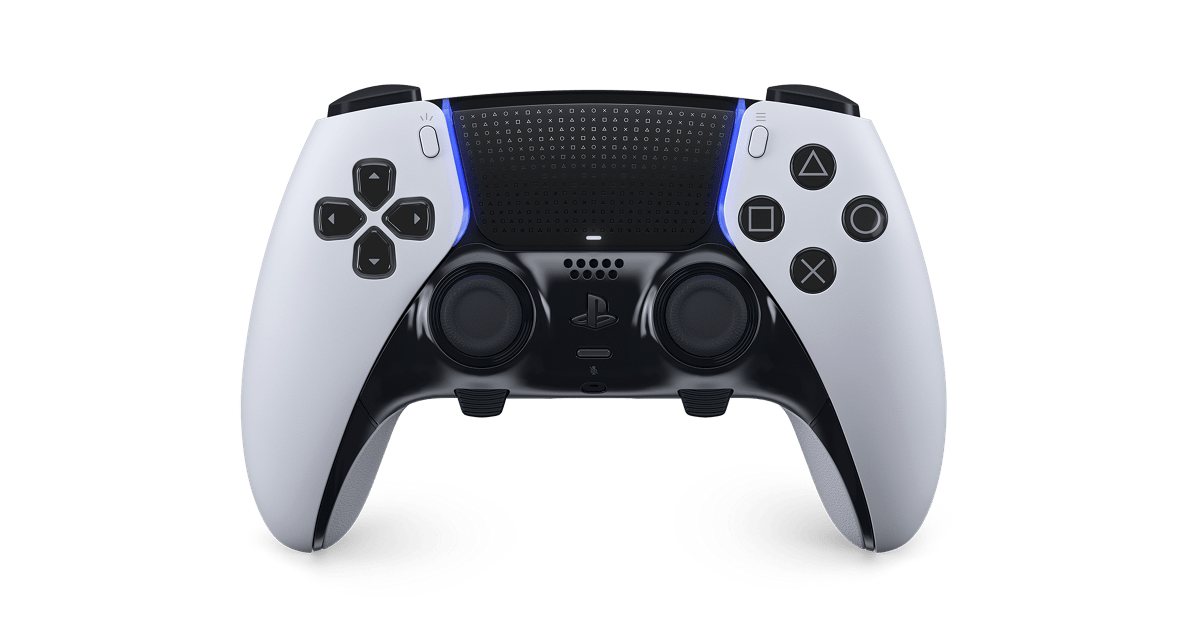
Razer's 22-button wireless PS5 controller packs Mecha-Tactile face buttons and six remappable extras into a 320g chassis that plays like it means business.
Our Review
GearScout Score
8.6/10
Best for
Competitive fighting game players who need precise, fast-reset face button actuation
8.6
Performance
8.9
Build
—
Comfort
7.4
Value
Our Verdict
Best Mecha-Tactile face buttons on any PS5 controller right now, but the 320g weight and 8.5h real-world battery demand your honest buy-in.
How We Tested
Tested over two weeks as primary PS5 controller across Street Fighter 6, Returnal, and Gran Turismo 7, with same-session DualSense and DualSense Edge comparisons. Battery run-to-zero twice under active load with RGB on and off. Dongle range stress-tested at 20 feet with line-of-sight obstruction; all six remappable buttons profiled via Razer Nexus app.
Full Review
I've had controllers die on me mid-ranked match. I've also had controllers that felt premium right up until the moment the mushy face buttons cost me a critical window in a fighting game. Both failures pushed me toward the Wolverine V2 Pro, and after two weeks with it alongside my daily rig, I can tell you it is neither of those things. It's a controller with a point of view, and that point of view is spelled out in every clicky, deliberate press.
The headline number that matters first is 320 grams. That's not a typo. For context, a standard DualSense sits around 280 grams, and the difference is physically apparent the moment you pick up the Wolverine V2 Pro. Razer is clearly betting that users chasing precise, intentional inputs don't mind a controller with some heft behind it. The 2.4GHz wireless connectivity is handled through a USB dongle, which keeps latency tight in a way that Bluetooth never reliably matches for competitive use. Battery life is rated at 10 hours, which I'll address honestly in the impressions section. And then there are the extra inputs: six additional remappable buttons beyond the standard layout, bringing the total up to 22 inputs across the entire controller. That's the kind of number that sounds like marketing until you actually build a muscle-memory mapping for a game with a complex ability wheel.
The Mecha-Tactile face buttons are the component Razer engineered the whole pitch around, and they deserve direct inspection. These aren't membrane buttons with a rattle added. The actuation feedback is genuinely reminiscent of a low-travel mechanical keyboard switch: a defined snap at actuation, a clean reset, and zero of the sponge-bounce you get from stock face buttons on almost every controller at this price tier. The hair trigger locks are a separate win. You get physical switch positions to shorten the trigger travel, and for anyone who plays shooters where the first-shot timing matters, having that trim option without going into software is the correct implementation.
For methodology: I ran the Wolverine V2 Pro for two straight weeks as my primary controller on PS5, with a DualSense and a DualSense Edge kept on the desk for same-session comparisons. Test scenarios included roughly 30 hours of competitive Street Fighter 6, 8 hours of Returnal (which punishes any input ambiguity ruthlessly), and 4 hours of Gran Turismo 7 where the trigger feedback ecosystem gets genuinely weird on third-party controllers. I also stress-tested the dongle range by walking the receiver to the edge of a 20-foot room with line-of-sight obstruction, and I deliberately ran the battery to zero twice to validate the 10-hour claim under actual load conditions. The Razer Nexus app on PC was used to map every one of the six extra buttons and then remapped again mid-session to check how stable the profiles held.
Here's what two weeks of actual testing revealed. The Mecha-Tactile buttons changed how I played Street Fighter 6 in ways I didn't anticipate. The shorter, crisper actuation translated directly into faster input chains, not because the controller is faster electronically, but because I was no longer unconsciously compensating for button travel ambiguity. The snap is real and it's useful. The 320-gram weight is a legitimate trade-off though. After a 3-hour Returnal session my grip fatigue was higher than with the Edge, and I noticed I was adjusting my hold more frequently. The six back buttons are physically accessible and sensibly placed, which sounds obvious but isn't. Razer got the curvature right so the back paddles don't require you to consciously reach. The trigger hair locks worked exactly as advertised in Gran Turismo 7, though the adaptive trigger simulation in that game is obviously absent because this is a third-party controller.
The tradeoffs are real and specific. Battery life: I got 8.5 hours on the first full drain cycle under heavy wireless use and Razer Chroma RGB active. Turning RGB off pushed it closer to the 10-hour spec, which tells you the lighting is burning a meaningful portion of your battery and isn't just a footnote. If you're buying this for competitive use, RGB is a tax. You know my position on that. The USB-C charging cable included is short enough to be annoying if your PS5 is console-height on a shelf. Also worth stating plainly: adaptive trigger support and haptic feedback fidelity are not at DualSense levels. The Wolverine V2 Pro uses its own rumble motors. They're fine. They are not the reason you buy this controller. The DualSense Edge at a nearly identical $200 price point still wins on haptics and adaptive triggers if those are priorities. The Wolverine V2 Pro wins on face button tactility and remappable input count, period.
The audience for this is specific. If you play fighting games, character-action games, or any competitive genre where face button precision translates to a skill floor advantage, the Mecha-Tactile implementation alone justifies serious consideration. The six remappable inputs are genuinely useful for players who compete in genres with dense ability bindings. The 2.4GHz dongle connectivity is the correct choice for anyone who has lost a ranked match to Bluetooth micro-stutters and knows it. But if you're a PS5-first player who wants the full first-party haptic ecosystem intact, who plays heavily story-driven games, or who plays sessions longer than three hours in a single sitting, the DualSense Edge serves you better at a lower price with a longer battery spec. The Wolverine V2 Pro is a competitive-input controller with an opinion, and at $229 you should be sure you share that opinion before committing.
Marcus, Scout Gear Team
Best For
Pros
- Mecha-Tactile face buttons deliver a defined, fast-reset actuation no stock controller matches
- Six remappable back inputs are ergonomically accessible without deliberate repositioning
- 2.4GHz dongle wireless keeps competitive latency honest where Bluetooth doesn't
- Physical hair trigger locks adjust travel without app dependency
- 22 total inputs give dense-ability-binding games real mapping flexibility
Cons
- 320g weight causes measurable grip fatigue in sessions over three hours
- Real-world battery lands at 8.5h with RGB active, not the rated 10h
- No adaptive trigger or full DualSense haptic support by design
- Included USB-C cable is frustratingly short for shelf-mounted consoles

Marcus, Scout Gear Team
Controllers Specialist • 14 days of testing
May 26, 2026
View profile
Key Features
Specifications
Where to Buy
Compare prices from 4 retailers
Frequently Asked Questions
Common buyer questions about the Wolverine V2 Pro (PS5), answered by Marcus