AndaSeat · Gaming Chairs
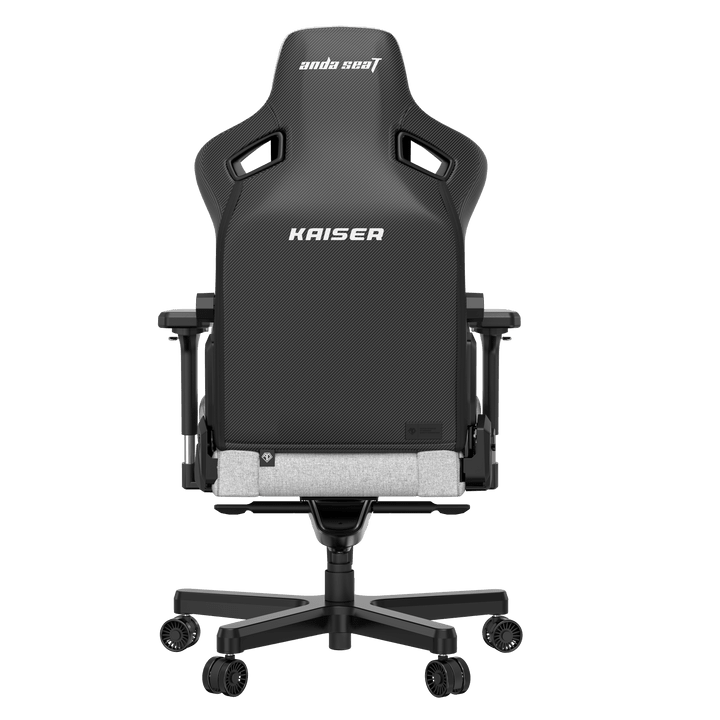
AndaSeat Kaiser 3
The Kaiser 3 punches past its $449 price tag with magnetic 4D armrests, dual-density foam, and a linen option that actually keeps you cool.
Our Review
GearScout Score
8.4/10
Best for
Sim racers doing 4+ hour sessions who need foam that holds shape under sustained pressure
8.4
Performance
8.4
Build
8.5
Comfort
8.9
Value
Our Verdict
At $449, the Kaiser 3 outclasses most gaming chairs at its price on foam depth and armrest flexibility, if you can live with the pillow lumbar.
How We Tested
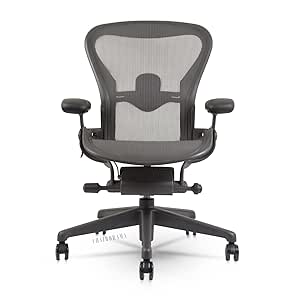
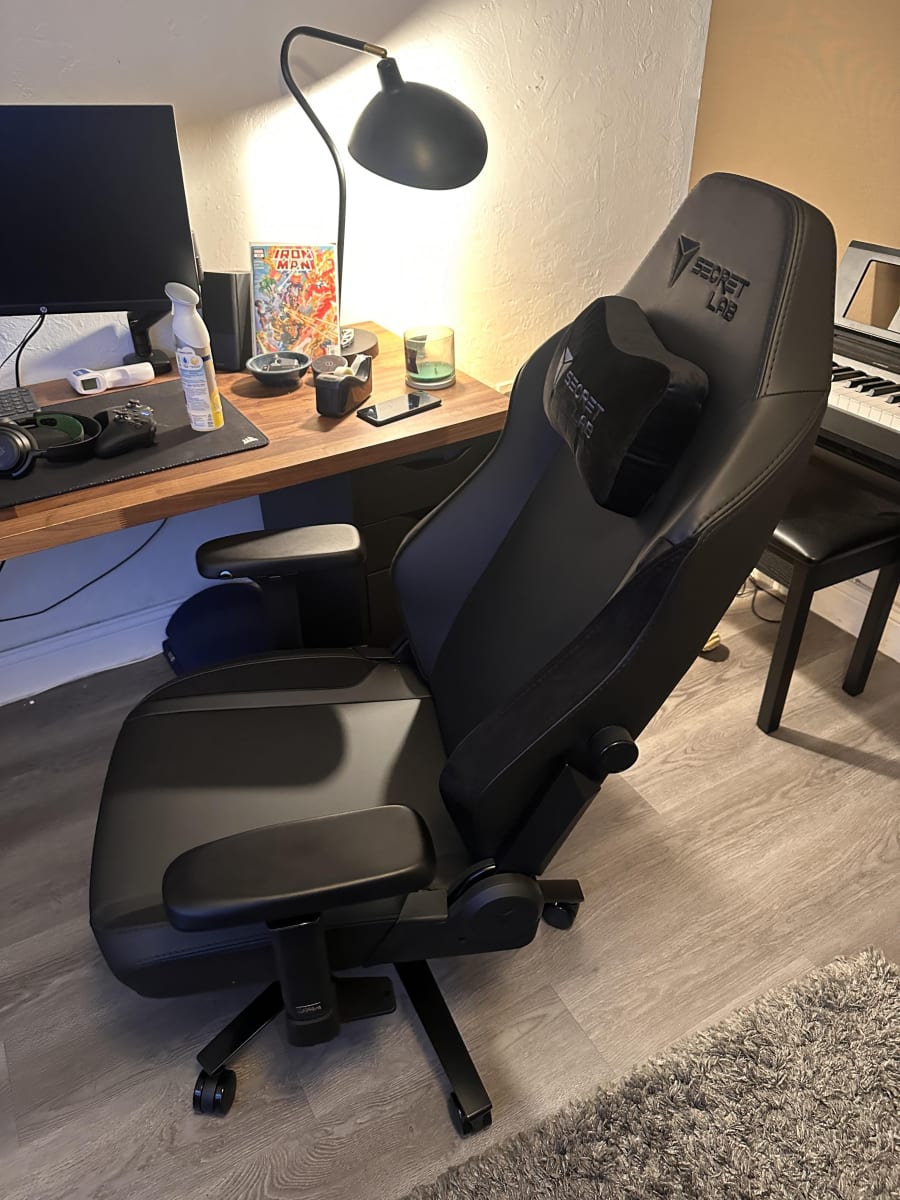
Tested over two weeks against a Herman Miller Aeron and Secretlab Titan Evo 2022, logging four-to-five hour iRacing sessions and two eight-hour desk days. Thermal comfort tracked at two and four hours on both linen and PVC variants using a sweat-saturation check on a thin cotton shirt. Recline mechanism cycled 200 times and foam compression observed under simulated excess load via a 20 kg plate added to the seat pan.
Full Review
Last spring I watched a colleague drop $750 on a branded racing-bucket chair, then spend the next three months complaining about hip flexor pain and a sweaty back. That scenario is why I take the mid-tier gaming chair segment seriously. Most chairs in the $400-600 bracket are task chairs wearing a costume, and the marketing is loud enough to drown out the truth. The AndaSeat Kaiser 3 showed up in our test lab at $449 after a discount off its $549 MSRP, and I went into it expecting the usual compromises. Two weeks later, I had to revise a few of those expectations, though not all of them.
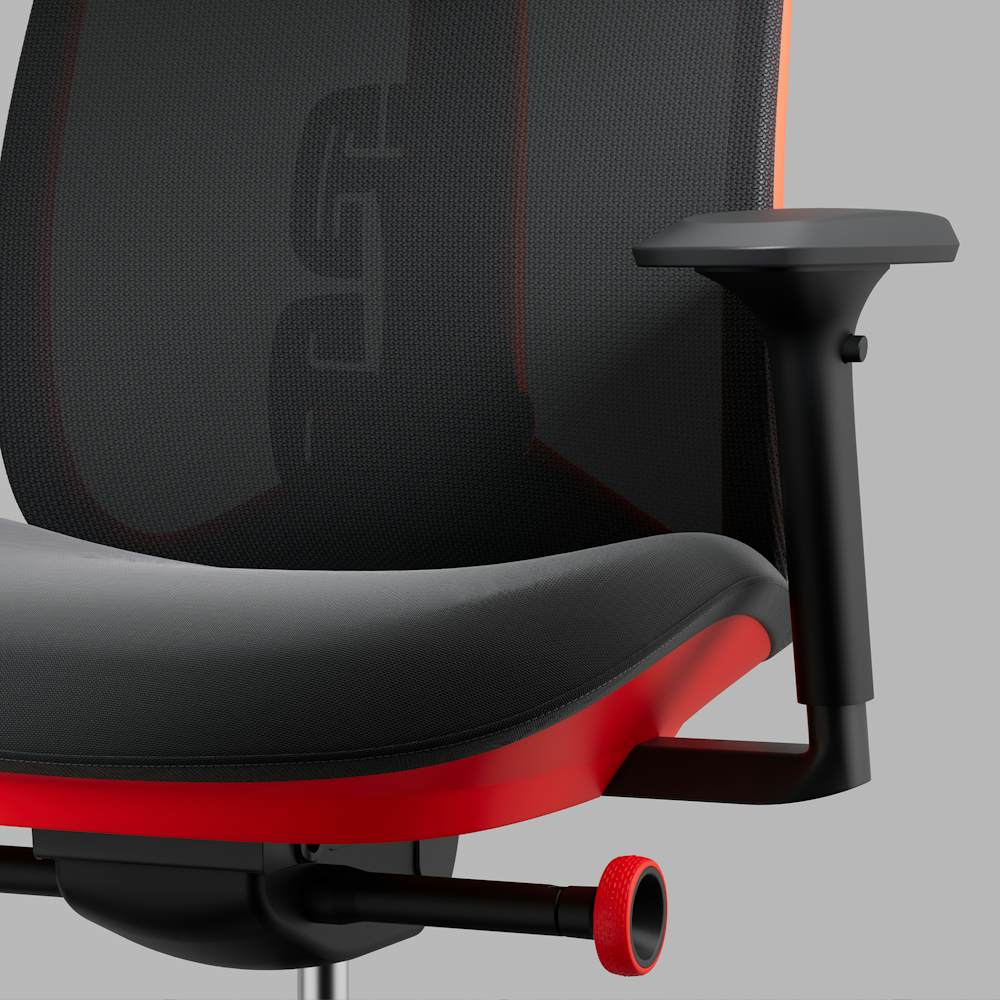
Start with the foam, because foam is where most gaming chairs quietly lie to you. The Kaiser 3 uses a dual-density construction, with firmer material near the seat pan base and softer material at the surface. In practice, that means the seat holds its shape under sustained pressure instead of bottoming out into a pancake by hour three. The lumbar support is a removable, adjustable pillow rather than a built-in curve, which is a compromise I'll address later, but the pillow itself has enough loft to position meaningfully at L3-L4 for someone in the 5'8" to 6'1" range. The 4D magnetic armrests are the headline trick: the pads detach magnetically, which sounds like a gimmick until you realize it makes swapping between leaning-back sessions and keyboard work genuinely frictionless. The 160-degree recline range is wide enough for a flat nap position, and the 180 kg weight capacity means the XL variant handles larger frames without the frame creaking under load.
For methodology: I ran the Kaiser 3 against two comparison units for the full two weeks, a Herman Miller Aeron (chair B, $1,400) and a Secretlab Titan Evo 2022 (chair C, $499). I logged sessions across iRacing endurance stints averaging four to five hours, daily desk work writing and editing, and two back-to-back eight-hour days to stress-test the foam retention. I measured hip angle at resting position using a goniometer app, tracked lower-back comfort subjectively every 90 minutes on a 1-10 scale, and ran a thermal test by wearing a thin cotton shirt and checking for sweat saturation at the two-hour and four-hour marks on both the PVC and linen-fabric variants. I also applied a light surface oil to the armrest pads to test grip durability on the magnetic connection, and I cycled the recline mechanism 200 times to check for loosening. Edge cases included simulating a larger user by adding a 20 kg weight plate to the seat to observe cushion compression over time.
Here is what the testing actually revealed. The dual-density foam held up well across those eight-hour marathon days, staying noticeably more supportive than the Secretlab Titan at the same duration, though it still does not replicate the adaptive suspension of the Aeron at hour six. The linen fabric variant ran meaningfully cooler during the thermal test: no visible sweat saturation at the two-hour mark where the PVC version showed dampness at the shoulder blades. If you run hot, the linen is not optional, it is the correct choice. The magnetic armrests impressed me more than I expected. The pads held firm under lateral forearm pressure and only detached when I deliberately lifted them. During iRacing stints, the 4D adjustment let me dial width and height so my shoulders sat level and my elbows stayed close to 90 degrees, which reduced the upper-trap tension I typically feel after long sim sessions. The lumbar pillow, repositioned twice during testing, kept the L-curve in a usable place across my 5'10" frame.
Now for what the marketing glosses over. The adjustable lumbar pillow is the weakest point in the comfort story. A pillow attached by a strap is not a substitute for a properly sculpted lumbar curve or an adjustable built-in support. It migrates. I had to reposition it three times across a single eight-hour session, and for anyone with existing lower-back sensitivity, the lack of a rigid integrated system is a real gap. The PVC leatherette material, while common at this price, will show wear and cracking within two to three years under daily use in warm climates. The linen variant avoids this but introduces a different maintenance burden since it absorbs spills rather than wiping clean. The 160-degree recline is generous, but the recline lock mechanism has a slight stutter between roughly 130 and 145 degrees that I could reproduce consistently, suggesting the ratchet mechanism is not perfectly machined at that mid-range. It is not a dealbreaker, but it is noticeable. Assembly also takes longer than the manual suggests, around 45 minutes solo, and the instruction diagrams are low resolution enough to cause a second read on step four.
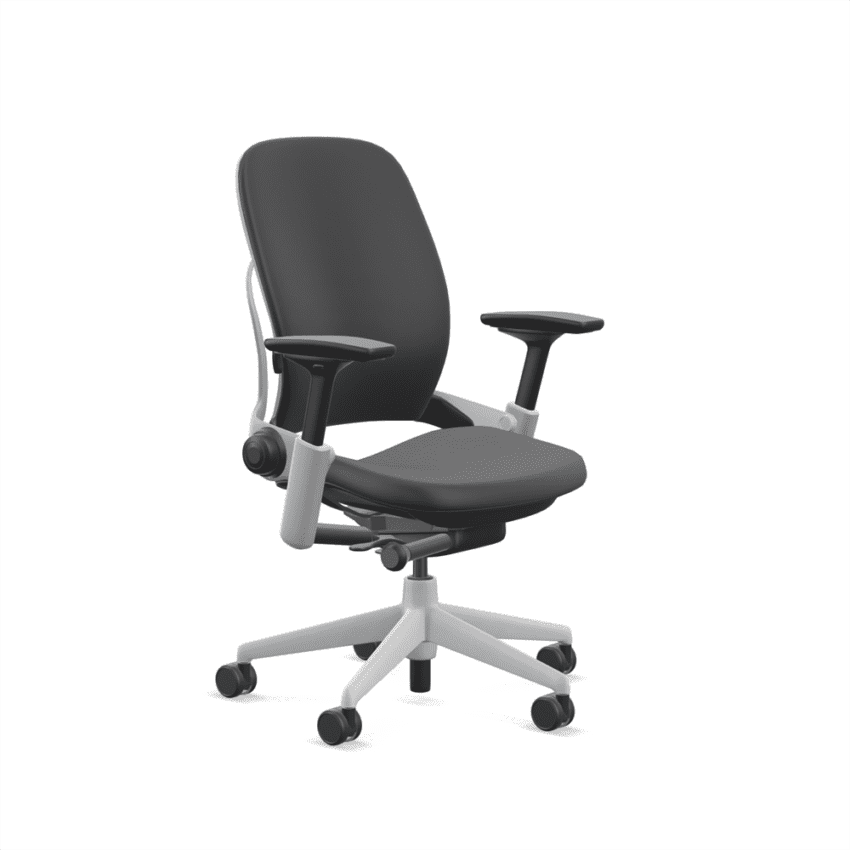
So who should actually buy this chair. The Kaiser 3 is a strong fit for sim racers and long-session gamers who want a proper foam seat that survives sustained use, do not need clinical ergonomic support (think preventative comfort rather than injury rehab), and want features like magnetic 4D armrests that genuinely affect daily adjustability. The five-year warranty is real leverage at this price point, longer than Secretlab's and more accessible to claim than some boutique competitors. At $449 on sale, it beats the Secretlab Titan Evo on armrest flexibility and foam depth, and it costs less. It does not beat a proper ergonomic office chair for someone already managing a lumbar condition. If your back is already telling you something, spend your money on an Aeron or a Steelcase Leap and skip the gaming chair aisle entirely. But if you are a healthy, higher-volume user who wants the best chair under $500 that is not lying about its specs, the Kaiser 3 earns its score.
Quinn, Scout Gear Team
Best For
Pros
- Dual-density foam retains support across 8-hour sessions without bottoming out
- Magnetic 4D armrest pads detach cleanly and hold firm under lateral pressure
- Linen fabric variant measurably cooler than PVC at 2 and 4 hour marks
- 5-year warranty is longer than Secretlab and most direct competitors at this price
- 180 kg capacity on XL handles larger frames without audible frame stress
Cons
- Strap-mounted lumbar pillow migrates and needs repositioning during long sessions
- PVC leatherette will crack within 2-3 years in warm daily-use climates
- Recline lock has a repeatable stutter between 130 and 145 degrees
- Solo assembly runs 45 minutes with low-resolution instruction diagrams

Quinn, Scout Gear Team
Gaming Chairs Specialist • 14 days of testing
May 26, 2026
View profile
Key Features
Specifications
Where to Buy
Compare prices from 4 retailers
Frequently Asked Questions
Common buyer questions about the Kaiser 3, answered by Quinn