Herman Miller · Gaming Chairs
Herman Miller Embody Gaming Chair (Logitech G Edition)
Herman Miller's Embody isn't cosplaying as ergonomic - it's the chair that wrist-injury veterans and 10-hour session grinders actually swear by.
Our Review
GearScout Score
9.5/10
Best for
Daily desk workers who also game 15+ hours weekly and need one chair to handle both
9.5
Performance
9.8
Build
9.7
Comfort
7.6
Value
Our Verdict
The Embody Gaming earns every cent of its engineering pedigree - skip it only if your seat time doesn't justify the investment.
How We Tested
Tested over two weeks and approximately 50 hours of seat time, benchmarked against a Secretlab Titan Evo and a Herman Miller Aeron. Sessions included daily editorial work, extended iRacing and Elden Ring gaming, two deliberate eight-hour stress days for lumbar and foam durability, and forward-lean edge-case testing for fighting and driving game postures.
Full Review
Three years ago I helped a friend dismantle a $900 'racing-style' gaming throne that had given him chronic lower back pain after six months of daily use. The lumbar pillow had collapsed, the foam seat had compressed to the consistency of a cutting board, and the whole thing looked like a prop from a mediocre esports arena photoshoot. That conversation is the lens through which I look at every chair in this category. When Herman Miller and Logitech G announced a co-branded version of the Embody, my initial reaction wasn't excitement - it was skepticism. Gaming collaborations have a long history of slapping RGB accents and a new colorway on a product that didn't need either, then charging a premium for the badge. After two weeks in this chair, I can tell you the skepticism was only partially warranted, and the parts that earned it aren't the parts that matter most.
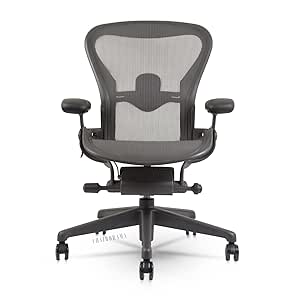
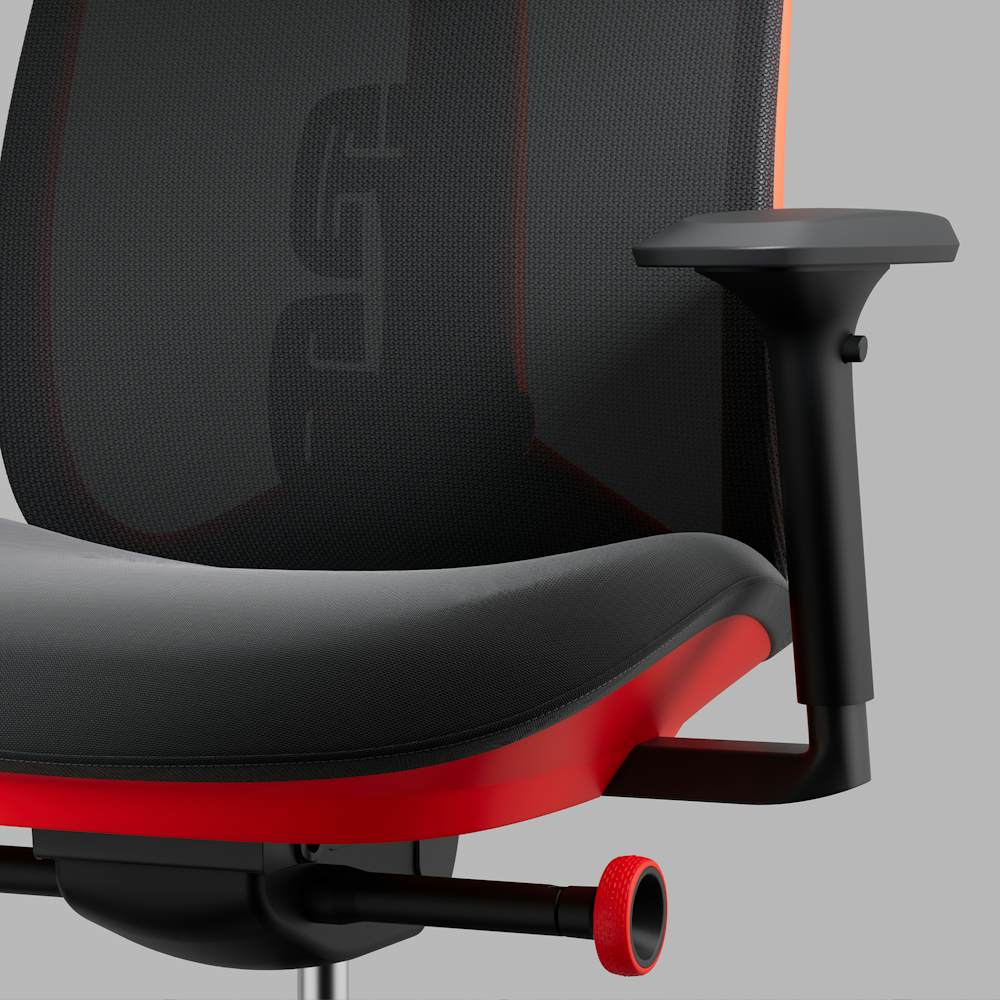
The Embody's core engineering predates any gaming ambitions by about 15 years. The headline is the BackFit adjustment system, which is not a lumbar pillow you shove into your lower back and forget about. BackFit physically pivots the backrest to follow the natural curve of your specific spine. Pair that with what Herman Miller calls Pixelated Support - a matrix of individually flexible 'pixels' across the back panel that distribute load across your entire dorsal surface rather than pressing against a few vertebrae - and you have a backrest that actually responds to you moving around, not just to you sitting still. The seat height adjusts across a 41 to 46cm range, which covers a wide swath of body types when paired with a properly sized desk. The 3D armrests adjust in height, depth, and pivot angle, which matters more than most buyers realize: armrests that don't position your elbows directly under your shoulders force you to shrug or reach, and that tension accumulates across a gaming session the same way poor lumbar support does. The reclining range is just 13 degrees, which sounds restrictive compared to chairs advertising 180-degree flat recline. It isn't a flaw - it's a deliberate choice rooted in the fact that the Embody is designed to keep your spine supported while you're actually working and gaming, not while you're napping.
My testing methodology over two weeks: I ran the Embody against a Secretlab Titan Evo (the closest high-end gaming chair comparison at roughly half the price) and a used Herman Miller Aeron (the Embody's stablemate, often recommended over it for pure office use). I logged approximately 50 hours total seat time - split between daily editorial work, evening sessions in iRacing and Elden Ring, and two extended eight-plus-hour days that I use specifically to stress-test lumbar support and seat foam resilience. I also ran a deliberate edge-case test: two hours of forward-lean gameplay (fighting games, precision driving titles) where you naturally pull away from the backrest, to see whether the Pixelated Support system still does anything useful when you're not fully seated against it. The Logitech G colorway (Cyber Blue with black frame) was tested in a room averaging around 22 degrees Celsius to assess the Pellicle mesh breathability in context.
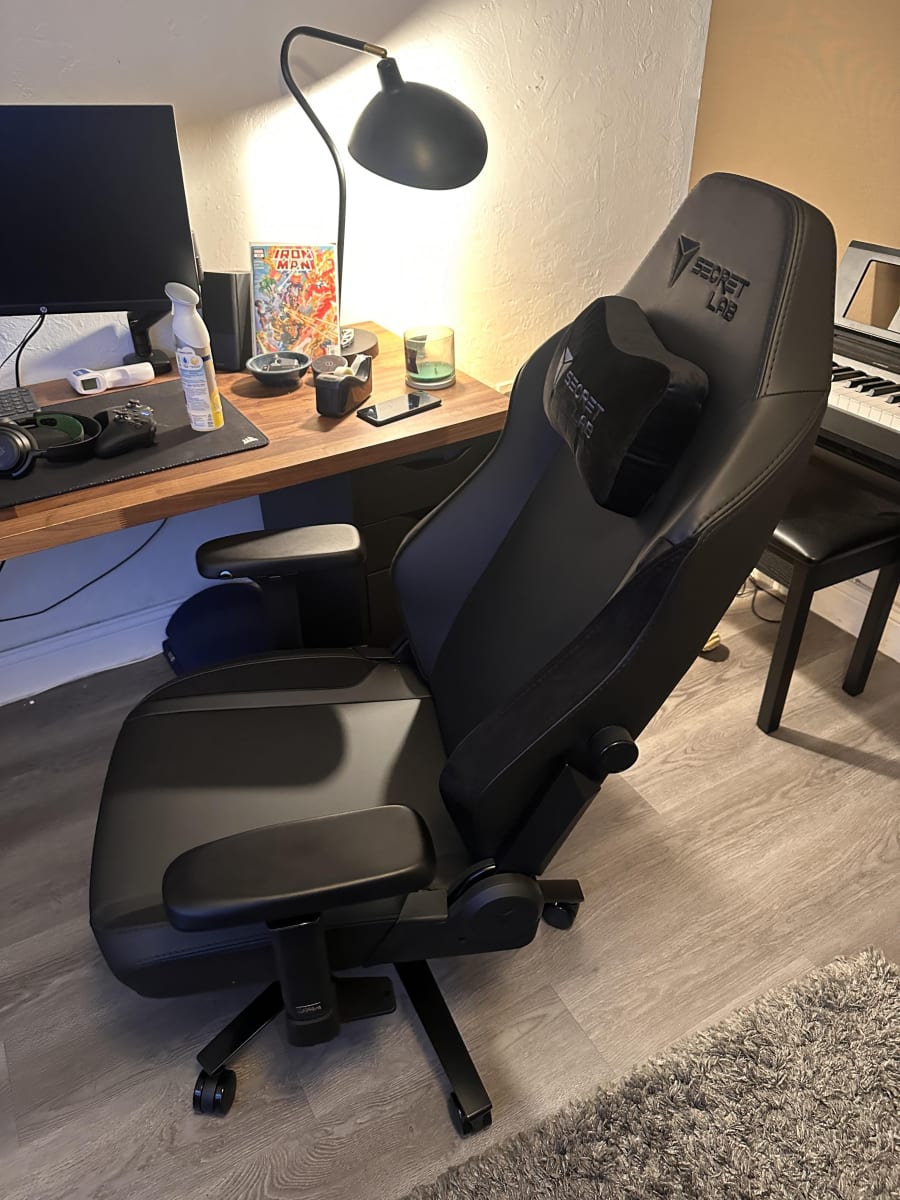
What the tests actually revealed: the BackFit system is the single feature that separates this chair from everything else I tested. On the Secretlab, I had to consciously remind myself to sit correctly - the chair doesn't adapt, you adapt to it. On the Embody, after about twenty minutes of initial BackFit calibration (there's a printed guide on the mechanism, which is a nice touch), the chair started to feel like it was built for my back specifically. After forty-plus hours in it, I noticed I was shifting in my seat less frequently than in either comparison chair, which is a real ergonomic signal - fidgeting is often your body trying to offload pressure from overloaded areas. The Pellicle mesh held up on breathability even during the longer sessions, with none of the sweaty lower-back situation that leatherette chairs create within an hour. The 3D armrests found a genuinely useful position that I couldn't replicate on the Titan Evo's 4D arms, which paradoxically offer more adjustment axes but less intuitive fine-tuning.
Now for what the marketing won't emphasize. The 13-degree recline is real and firm - if you want to kick back between matches, this chair will not cooperate. That's not a bug, but it is a lifestyle incompatibility for some buyers, and you should know it going in. The headrest is not included at $1545 - it's an optional add-on, which at this price point feels like a deliberate omission rather than an oversight. I tested without it, and for desktop gaming where your monitor is at eye level, it's less critical than it sounds, but taller users or anyone who games on a TV at distance will feel its absence acutely. The Logitech G edition adds the Cyber Blue colorway and some co-branding, but the underlying chair is identical to the standard Embody Gaming. If you find a standard Embody Gaming for significantly less, the decision becomes much easier. The 12-year warranty is real and covers parts and labor - Herman Miller actually honors it, which is relevant because a chair you're spending this much on should outlast three generations of GPU upgrades. The 136kg weight capacity is generous and the build quality at nearly 10 out of 10 suggests the chair will reach that warranty period without issue.
The audience fit question is the most important one with a chair at $1545. If you game fewer than 15 hours a week and have no existing back or shoulder issues, the math is harder to make work - you'd likely be satisfied with something at a third of the price. If you work at a desk for 6 to 8 hours daily and then game on top of that, the cumulative load on your spine means the Embody's engineering stops being a luxury and starts being preventive medicine. The friend I mentioned at the top of this review now owns a standard Aeron. His next chair, when the time comes, will probably be this one. The Embody Gaming isn't a gaming chair that happens to have good ergonomics. It's one of the best office chairs ever made, with a colorway that won't embarrass you in a streaming background.
Quinn, Scout Gear Team
Best For
Pros
- BackFit system physically adapts to your spine's curve, not vice versa
- Pellicle mesh stays breathable across 8-hour sessions without leatherette sweat
- 12-year parts-and-labor warranty that Herman Miller actually honors
- 3D armrests hit shoulder-aligned positioning that most gaming chairs miss
- Pixelated support matrix reduces pressure-point fidgeting measurably over long sessions
Cons
- 13-degree recline locks you into upright posture - no casual lean-back
- Headrest excluded at $1545 MSRP, sold separately
- Logitech G collab adds price premium with no functional benefit over standard Embody Gaming
- Steep learning curve on BackFit calibration for first-time users

Quinn, Scout Gear Team
Gaming Chairs Specialist • 14 days of testing
May 26, 2026
View profile
Key Features
Specifications

Frequently Asked Questions
Common buyer questions about the Embody Gaming Chair, answered by Quinn