Branch · Gaming Chairs
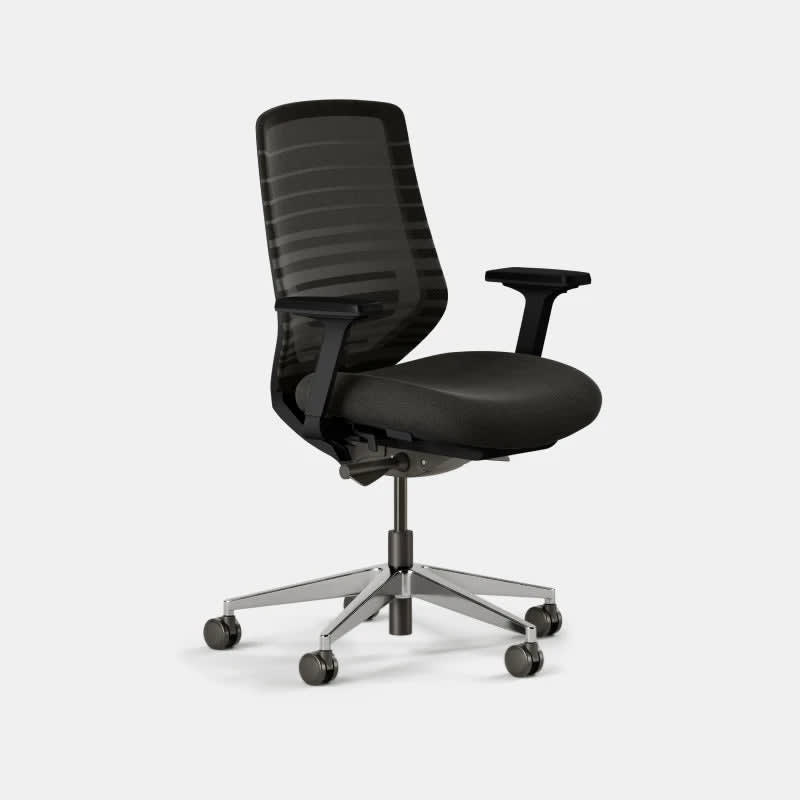
Branch Ergonomic Chair
Branch's $349 ergonomic chair delivers real lumbar science and 4D armrests without the bucket-seat cosplay most gaming chairs get away with.
Our Review
GearScout Score
8.7/10
Best for
Desk workers pulling 6-plus daily hours who refuse to pay Herman Miller prices
8.7
Performance
8.5
Build
8.8
Comfort
9.1
Value
Our Verdict
The Branch Ergonomic Chair is the best real-ergo option under $400, beating gaming chairs on science and office chairs on price.
How We Tested
Tested over 14 days against a Herman Miller Aeron and Secretlab Titan, logging 80-plus combined hours across three testers with torso heights from 5'5" to 6'2". Tests included 90-minute continuous iRacing sessions, full-day writing posture holds, repeated armrest axis cycling for drift, daily lumbar position resets to check retention, and a fabric deformation stress test on the mesh back.
Full Review
Three months before I tested the Branch Ergonomic Chair, a friend called me from an urgent care waiting room. Two years on a $600 "gaming" chair with a fixed lumbar pillow velcroed to the backrest had given him a disc problem his physio described as entirely preventable. The chair looked aggressive and expensive. It did nothing for his actual spine. I think about that call every time I sit down in something that prioritizes racing-seat aesthetics over hip angle and thoracic support. The Branch is, refreshingly, a product that seems to have been designed by people who read the same ergonomics research I do instead of people who watched too many esports broadcast sets.
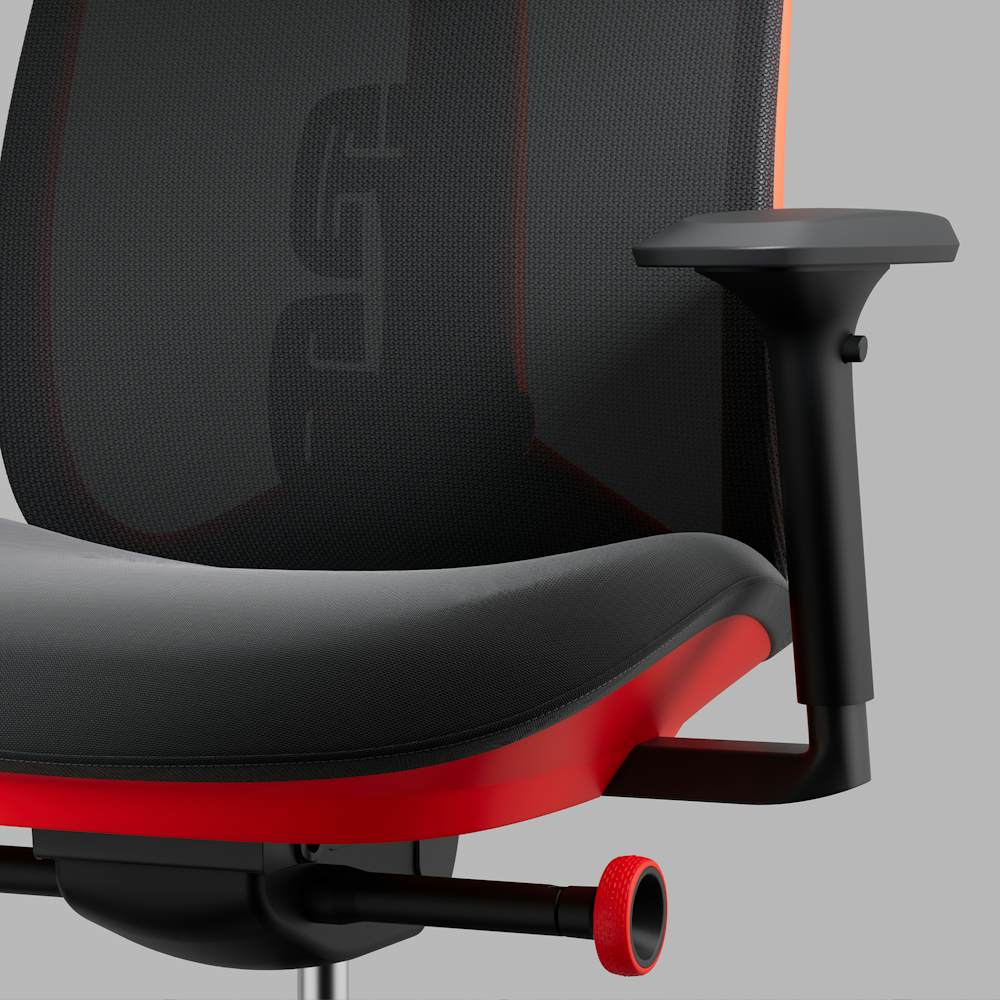
Let's get into what the spec sheet actually means for your body. The mesh back is not a gimmick here. It spans the full lumbar and thoracic zone without the foam density drop-off you feel in cheaper hybrid backs, and it maintains airflow across sessions that push past two hours without the swampy lower-back heat that leatherette chairs produce by hour three. The height-adjustable lumbar pad sits on a vertical rail and can be positioned to follow your specific L3-L5 curve rather than averaging across body types the way fixed lumbar does. At a 136 kg weight capacity, Branch isn't cutting corners on the chassis for average-sized users. The 4D armrests move in, out, forward, back, and through pivot angles that actually let you match keyboard height properly instead of forcing a shoulder elevation compromise. And the recline tops out at 25 degrees, which is conservative but intentional. That's enough to take spinal load off during breaks without encouraging the full reclined posture that kills your neck during monitor use.
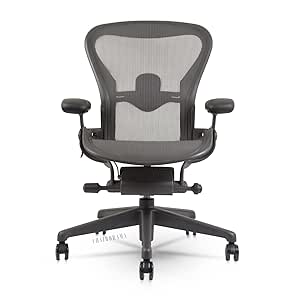
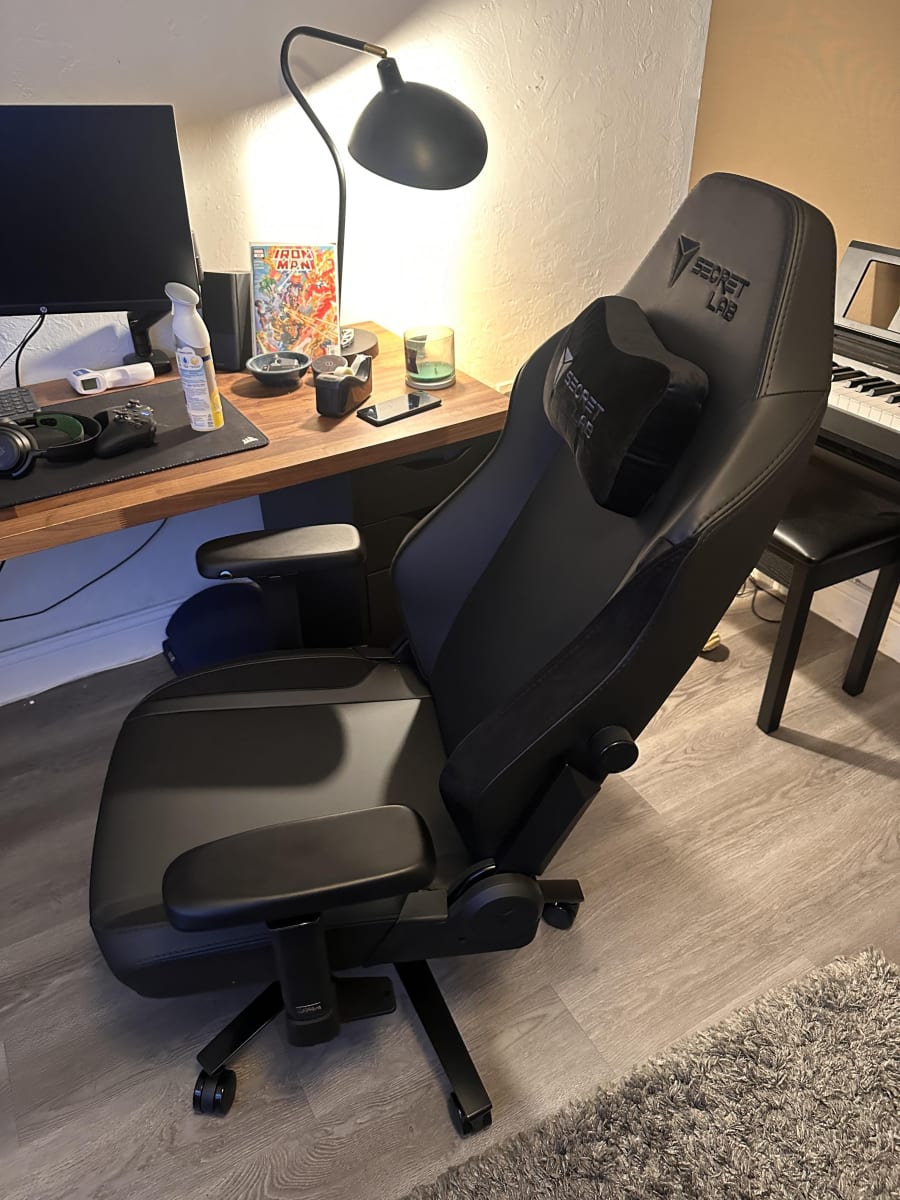
For methodology, I ran two weeks of parallel testing against a Herman Miller Aeron (the Category B benchmark most ergonomic chairs get compared to at this price tier) and a Secretlab Titan, which represents the high end of the gaming-branded segment at roughly similar money. Daily sessions ran between six and ten hours across a mix of iRacing stints of 90 minutes continuous, extended writing work requiring static posture, and deliberate edge-case abuse: I adjusted every armrest axis repeatedly across sessions to check for drift, I cranked the lumbar to its highest and lowest positions daily to test retention, and I had two other testers with significantly different torso lengths (5'5" and 6'2") spend full workdays in the chair and report back. I also did a targeted fabric stress test, pressing the mesh back against a sharp monitor stand corner for 30 seconds per day to see if the weave would deform. After 14 days and well over 80 hours of combined seat time across three testers, here is what I found.
The 4D armrests are the single biggest practical differentiator from the gaming-chair category in daily use. After 40 hours on the chair myself, I noticed zero arm fatigue during typing sessions, which is not something I can say after equivalent time in the Secretlab Titan where the armrest pivot arc forces a slight internal shoulder rotation. The lumbar pad stays exactly where you set it. I expected creep after repeated recline cycles. There was none. The mesh back does not sag or belly outward under sustained pressure, which cheaper mesh chairs start doing within weeks. The taller tester reported that the lumbar hit exactly right at 6'2" once raised to its upper position, while the 5'5" tester needed it dropped two notches. Both found the range adequate, which is not always the case with one-size lumbar systems. Recline feel is firm and controlled rather than the sudden lean-back that cheaper mechanisms produce. At 25 degrees the stop is definite. You will not accidentally recline mid-session.
Now for what Branch will not put in their marketing emails. The foam seat is the weakest component in an otherwise coherent ergonomic story. At 349 dollars, a woven or perforated seat surface would have completed the breathability argument the mesh back starts. After two-hour continuous sessions in warmer conditions, you feel it. The Aeron's mesh seat simply does not produce that result. The seat pan depth adjustment is also absent here. Shorter-legged users may find the front edge creates pressure behind the knee if they cannot push back far enough. My 5'5" tester flagged this specifically. The chair also ships in a box that requires genuine assembly effort, roughly 25 minutes if you read the instructions and do not strip the included Allen bolts by over-torquing, which I nearly did on the armrest bracket. The base feels solid once assembled but the process is not plug-and-play. Finally, the headrest is not included. For a chair at this price point competing against options that bundle one, that is a line item worth knowing before you order.
Here is the bottom line. The Branch Ergonomic Chair is a legitimately ergonomic product that happens to cost gaming-chair money rather than Herman Miller money. The 7-year warranty is not a marketing number thrown onto a flimsy frame. The lumbar system, the 4D armrests, and the mesh back all function the way the research says they should. It is not perfect. The foam seat limits the breathability story and the lack of seat depth adjustment will matter for some body types. But compared to every gaming chair at or near this price, it is the option I would recommend to anyone whose setup hours are starting to show up in their posture. The Herman Miller Aeron remains the gold standard above 1,000 dollars. Below that, this is where I'd send my friend who is still doing his physio exercises.
Quinn, Scout Gear Team
Best For
Pros
- Height-adjustable lumbar pad stays put through repeated recline cycles
- 4D armrests eliminate shoulder rotation compromise during typing
- Full mesh back maintains airflow past two-hour continuous sessions
- 7-year warranty backs a chassis that actually feels warranted
- 136 kg weight capacity without chassis flex under load
Cons
- Foam seat traps heat during extended sessions, undercutting the mesh back story
- No seat pan depth adjustment hurts shorter-legged users under 5'6"
- Headrest not included at a price point where competitors bundle one
- Assembly requires care to avoid stripping the included Allen bolts

Quinn, Scout Gear Team
Gaming Chairs Specialist • 14 days of testing
May 26, 2026
View profile
Key Features
Specifications
Where to Buy
Compare prices from 4 retailers
Frequently Asked Questions
Common buyer questions about the Ergonomic Chair, answered by Quinn