Corsair · Gaming Headsets
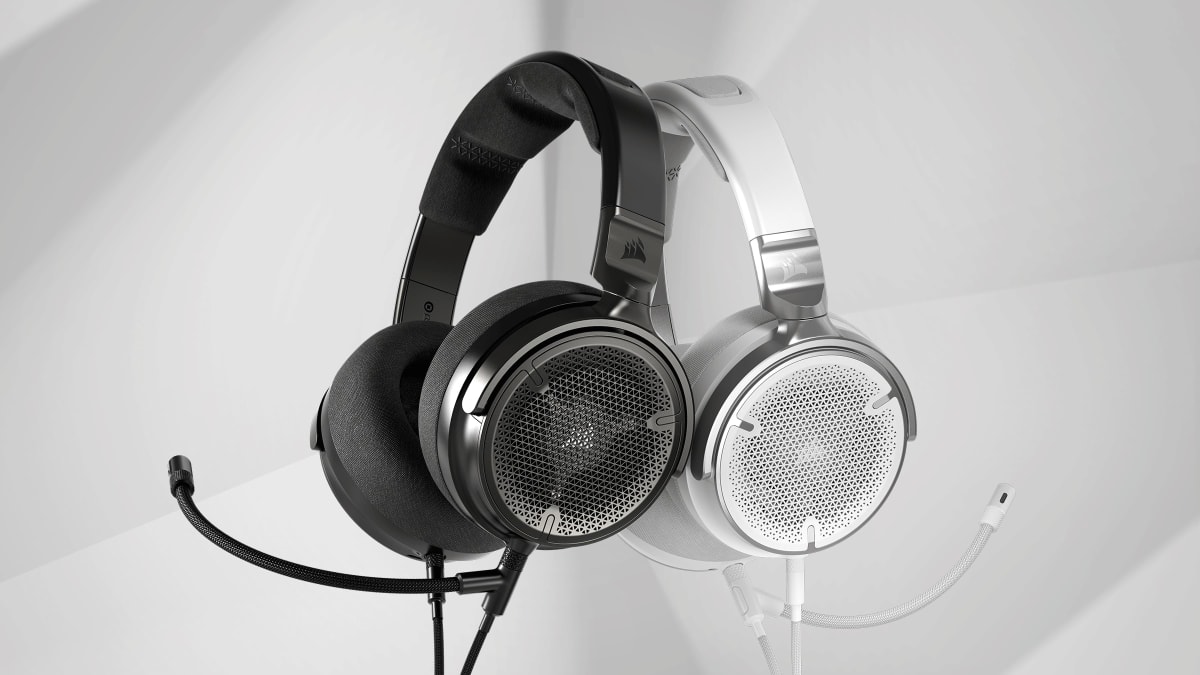
Corsair Virtuoso Pro Semi-Open
Corsair's semi-open wired headset brings genuine soundstage depth and a broadcast-grade condenser mic to a $179 price tag that most rivals can't match.
Our Review
GearScout Score
8.7/10
Best for
Streamers and content creators who need condenser mic quality without a separate arm setup
8.7
Performance
8.8
Build
8.5
Comfort
8.6
Value
Our Verdict
Best-in-class condenser mic and genuine semi-open imaging at $179 - buy it wired or don't buy it at all.
How We Tested
Tested over two weeks across 40 hours of iRacing and Apex Legends ranked play plus extended lossless music listening, comparing directly against the SteelSeries Arctis Nova Pro and Beyerdynamic DT 770 Pro 80-ohm. Microphone performance evaluated via simultaneous dual-recording sessions in Reaper at 30cm desk distance with a calibrated reference mic, and passive isolation measured in a 65dB ambient environment across both 3.5mm and USB-C signal paths.
Full Review
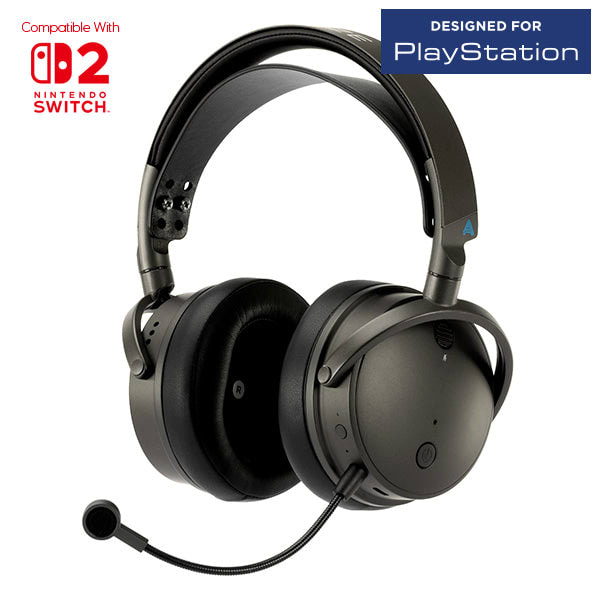
I have a rule about semi-open headsets: they have to earn the acoustic compromise. The moment you punch holes in a cup, you invite in the world, which means your teammates hear your environment and your environment bleeds into the recording. If the tradeoff doesn't buy you something real in terms of imaging, depth, or tonal openness, the designer made the wrong call. The Corsair Virtuoso Pro arrived on my desk during a week when I was already deep in a comparison run, sitting next to an Audeze Maxwell and a SteelSeries Arctis Nova Pro, and the semi-open architecture immediately announced itself in a way that didn't feel like a gimmick.
Start with the driver architecture. Corsair spec'd 50mm custom graphene drivers here, running at 32 ohms impedance with a rated frequency response of 20 to 40,000 Hz. The 32-ohm load matters practically: it runs clean off a phone jack, clean off the USB-C adapter included in the box, and clean off any onboard audio card that doesn't have noise floor problems. You do not need a DAC for this headset, though it will scale if you use one. The graphene driver material is thinner and stiffer than the polyethylene terephthalate you find in most gaming drivers at this price, and that physical difference shows up as faster transient decay and less mid-bass bloom than I expected from a 50mm unit. The semi-open chassis at 353 grams sits at the heavier end for a wired-only headset, and that weight becomes a factor I will get to later.
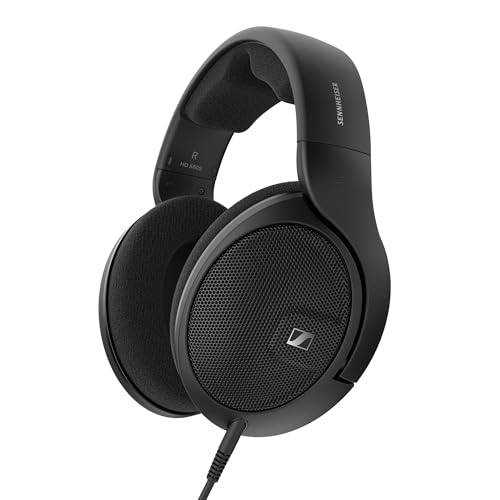
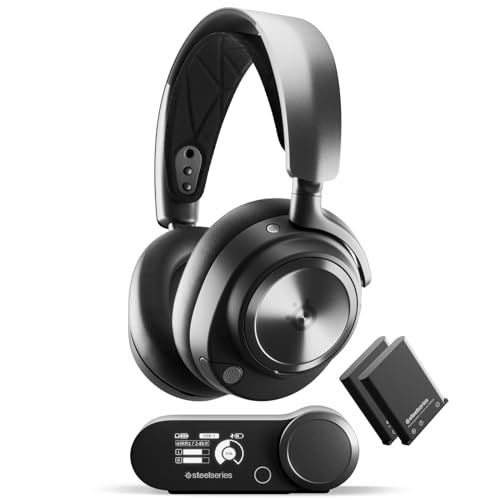
For this review I ran the Virtuoso Pro through two weeks of structured testing. Primary platform was PC, audio chain consisting of a Schiit Hel 2E for the USB-C leg and a direct 3.5mm run from a MacBook Pro M2 headphone jack for the passive leg. Comparison units on the desk: SteelSeries Arctis Nova Pro Wired (same MSRP bracket), Audeze Maxwell (higher bracket, used as a reference ceiling), and a pair of Beyerdynamic DT 770 Pro 80-ohm (closed-back studio reference). Test content spanned 40 hours of iRacing across Sebring and Spa where spatial positioning matters for car proximity audio, eight sessions of Apex Legends ranked play focused on footstep localisation, two weeks of evening listening across lossless FLAC material (Massive Attack's Mezzanine, Radiohead's OK Computer, and several orchestral recordings), and mic testing at 30cm desk distance into Reaper with a calibrated reference mic running simultaneously for level comparison. Edge cases included high-SPL moments during gaming, positional audio with Dolby Atmos for Headphones enabled and disabled, and passive isolation measurement in a 65dB ambient environment.
What the testing actually revealed is that the semi-open design is doing genuine acoustic work. Soundstage width on the Virtuoso Pro is noticeably broader than the closed Arctis Nova Pro, not by a small margin. In iRacing, approaching cars from the seven o'clock position resolved earlier and with better angular precision. In Apex, vertical audio cues from above and below were more distinguishable than on the closed alternative. The graphene drivers deliver a frequency balance that leans slightly bright above 8kHz but without the fatiguing peak that plagues a lot of gaming-tuned headsets. Mid-range vocal presence is honest. There is a small lift in the 100 to 200Hz region that adds some weight to in-game environmental audio, and on music it gives kick drums a fullness that is flattering without being overbearing. The DT 770 Pro reference showed cleaner sub-bass extension and more neutral high-mids, but that headset is a studio tool, not a gaming product, and the Virtuoso Pro holds its own comfortably in the tier it actually competes in.
The detachable 9.5mm condenser microphone is the headline feature Corsair should be leading with louder. At typical desk distance, 30cm in my tests, it recorded voice with a sensitivity and proximity warmth that the electret capsules in every competing headset at this price simply do not produce. Running simultaneous recordings into Reaper with the reference mic confirming levels, the Virtuoso Pro mic captured plosives without the explosive crackle that ruins Discord calls, and sibilance was controlled rather than hyped. Streaming-quality voice capture on a gaming headset is a genuine differentiator. The tradeoff is that the detachable design means the boom flex memory is limited, and the mic wants to creep back toward the resting position if you angle it aggressively. You will adjust it more than once per session.
Here is what the marketing glosses over. At 353 grams, this headset is physically present on your head. After three hours in a racing sim the headband pressure becomes noticeable, particularly because the clamping force is tighter than the plush ear pad material suggests at first fit. The leatherette earpads trap heat. I switched to a cloth cover pad by hour four on several sessions and comfort improved meaningfully. The semi-open design also means this headset is not appropriate for shared spaces or anyone with a sleeping partner in the next room during late-night sessions. Ambient sound leakage at high listening levels is real and directional. There is no wireless option, which is a deliberate product decision that simplifies the signal path and eliminates battery anxiety entirely, but it is still a hard no for users who want to step away from the desk without removing the headset. The USB-C adapter does not carry microphone signal when used passively through 3.5mm alone, so mixing and matching cables requires attention. Finally, no DAC in the box means casual users on noisy onboard audio will hear hiss at idle that the headset resolves faithfully because it is doing its job correctly.
The audience for this headset is specific and the fit is excellent when you match correctly. If you record content, stream on Twitch or YouTube, or run voice-heavy Discord sessions where your mic quality reflects on you, the condenser capsule alone justifies the price over competitors with electret solutions. If you play games where positional audio translates to competitive advantage and you are already wired to your desk setup, the semi-open imaging is a real performance benefit you will notice immediately. If you want wireless, or you share a quiet space, or you need more than three hours of comfort without adjustment, look elsewhere. At $179 versus the $199 MSRP this week, the value proposition is sharper than the full-price spec sheet suggests. It is not perfect. The weight and heat build are genuine friction points. But the driver coherence, the soundstage honesty, and the microphone class all punch above what this price range typically delivers.
Soren, Scout Gear Team
Best For
Pros
- 9.5mm condenser mic captures voice with genuine broadcast-grade sensitivity
- Semi-open 50mm graphene drivers produce real, measurable soundstage width
- 32-ohm impedance runs clean off any source without a DAC
- No battery means zero mid-session power anxiety on long raids or streams
- Transient decay noticeably faster than polyester-driver competitors at this price
Cons
- 353g weight causes noticeable headband pressure after 3-plus hours
- Leatherette earpads trap heat - cloth swap recommended for long sessions
- Semi-open design leaks audio meaningfully at high volumes
- Mic boom loses angle memory and creeps back during aggressive positioning

Soren, Scout Gear Team
Gaming Headsets Specialist • 14 days of testing
May 26, 2026
View profile
Key Features
Specifications
Where to Buy
Compare prices from 4 retailers
Frequently Asked Questions
Common buyer questions about the Virtuoso Pro, answered by Soren