Sennheiser · Gaming Headsets
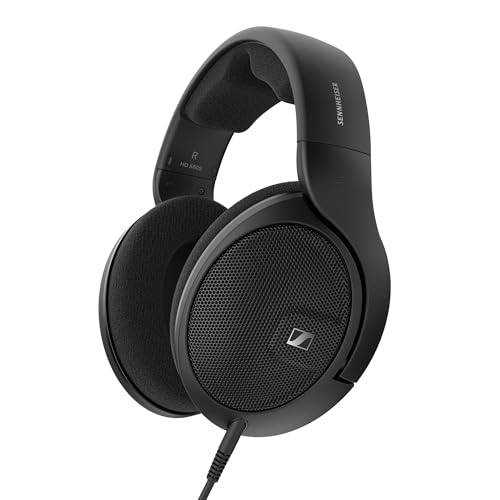
Sennheiser HD 560S + Antlion ModMic Wireless
An open-back audiophile pairing that outperforms every closed $400 gaming headset on tonal honesty. This combo is the one you build a setup around.
Our Review
GearScout Score
9.3/10
Best for
Dedicated desk gamers who already own or will buy a DAC-amp like the Schiit Hel or FiiO KA1
9.3
Performance
8.5
Build
9.1
Comfort
9.5
Value
Our Verdict
The best-sounding sub-$250 gaming audio combo available if you can feed its 120-ohm impedance and accept open-back bleed.
How We Tested
Tested over two weeks with 40 hours in iRacing and 15 hours in Escape from Tarkov for positional audio accuracy, plus 8 hours CS2 competitive scrims. Direct A/B comparison against Logitech G Pro X 2 Lightspeed ($249) and SteelSeries Arctis Nova Pro Wireless ($349) through a Schiit Hel DAC-amp. ModMic Wireless stress-tested at 50cm desk distance in both acoustically treated and untreated rooms, including PC fan noise and HVAC hum edge cases.
Full Review
I have a ritual before I write any headset review: I put on a reference track I know cold, something with a wide dynamic range and a center vocal I can triangulate against, and I close my eyes. The HD 560S passed that test the first time I pulled it out of the box without the ModMic even attached. That's unusual. Most headsets marketed at gamers fail within 30 seconds because the low end is bloated to fake impact, and the treble is boosted to fake detail. Sennheiser's HD 560S does neither, and that disciplined restraint is exactly why this combo at $219 embarrasses headsets that cost nearly double.
The headline specs matter here, so let's be precise about what you're actually buying. The 38mm dynamic transducer sits inside a fully open-back chassis that Sennheiser optimized for their E.A.R. (Ergonomic Acoustic Refinement) angled driver positioning. The 120-ohm impedance is the number that will immediately qualify or disqualify this for some buyers: you cannot drive this properly from a basic motherboard 3.5mm jack or a PlayStation controller dongle. You need a decent DAC-amp, or at minimum a capable USB dongle like the FiiO KA1 or the Schiit Hel. The frequency response rated at 6Hz to 38,000Hz is wide, but what matters more is where Sennheiser lands in the 1kHz-10kHz range, because that's where gunfire transients, voice cues, and footstep imaging live. The 240g chassis is genuinely light for a full-size open-back, and the ModMic Wireless adds negligible weight thanks to its magnetic mount system. The mic runs on its own USB-C dongle with a rated 12-hour battery, which means the headphone chain stays completely separate.
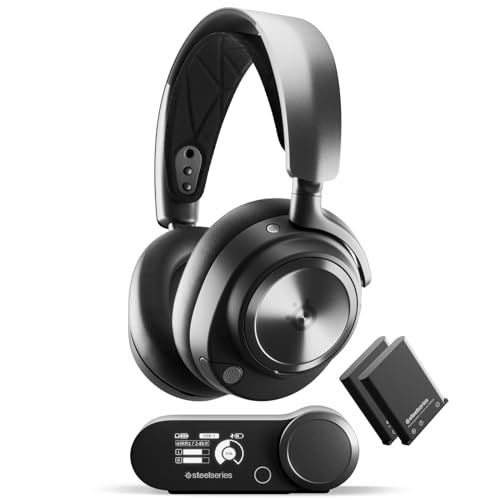
For two weeks I ran this combo hard. The primary comparison was a Logitech G Pro X 2 Lightspeed at $249 and a SteelSeries Arctis Nova Pro Wireless at $349, both well-regarded closed-back gaming headsets with integrated mics. I ran 40 hours in iRacing, specifically Spa-Francorchamps and Monza where tire squeal, engine harmonics, and ABS chatter all compete in the same frequency band. I ran 15 hours in Escape from Tarkov, where footstep audio directionality and distance estimation are survival-critical. I pushed 8 hours in CS2 competitive scrims. On the music side I ran the Harman reference tracks I use for every headphone review. For the mic, I ran listening tests at a standardized desk-distance of 50cm in both a treated room and a typical untreated living space, and I specifically stress-tested the ModMic Wireless in environments with PC fan noise and HVAC hum to see how the noise gate behaved under real conditions.
What the testing confirmed is that the HD 560S has a soundstage no closed-back gaming headset at this price can match, not because of any fake virtualization or DSP widening, but because the open-back design simply lets sound decay naturally without reflections bouncing back from a closed cup. In Tarkov, enemy footsteps on metal stairs at two floors distance had a spatial precision that made the G Pro X 2 sound like it was guessing. In iRacing, the mechanical separation between engine note and tire feedback was clean in a way that let me react to oversteer earlier. That's not poetry, that's a practical performance advantage from a real acoustic property. The 120-ohm impedance running through a Schiit Hel at medium gain kept the transient response tight with no sense of the driver struggling on loud passages. The ModMic Wireless performed well in the treated room and acceptably in the untreated space, though I noticed the noise gate occasionally clipping the front end of quick syllables at lower sensitivity settings. At higher sensitivity, the fan noise from my test rig crept in during quiet moments.
There are real tradeoffs here, and I won't minimize them. The open-back design means everyone in the room hears your game at moderate volume. Roommates, partners, office colleagues will all experience your Elden Ring session. This is a non-starter for open offices, shared spaces, or anyone who games after their household is asleep. The 120-ohm impedance genuinely requires a dedicated DAC-amp, which adds cost to the bundle the marketing page doesn't advertise. Budget another $50-100 for a proper source, or this combo will sound congested and dynamically compressed. The ModMic's 12-hour battery is solid, but the dual-dongle situation (3.5mm for the headphone, USB-C for the mic) means you're occupying two ports and managing two connections, which feels less clean than an all-in-one headset. The magnetic mount is elegant and re-positions easily, but the ModMic cable hangs loose if you don't clip it to the headband cable, and the clip management is fiddlier than Antlion's own instructions suggest. Finally, the HD 560S earpads are a velour material that feels excellent for the first three hours but gets warm by hour five in a climate-controlled room, and notably warmer if you run hot.
This combo is the right answer for a specific type of buyer, and it's the wrong answer for everyone else. If you sit at a dedicated desk, game alone or in a space where audio bleed is acceptable, already own or are willing to buy a DAC-amp, and want the most tonally honest listening experience available under $250 (combo price), this is the definitive choice. The HD 560S's reference tuning will serve you accurately in competitive gaming and reward you on music and films with equal honesty. If you need wireless on the headphone side, need isolation from outside noise, or share a gaming space, look elsewhere. The Arctis Nova Pro Wireless handles those use cases better despite being $130 more, and the closed-back isolation on the G Pro X 2 is genuinely superior in loud environments. But if your conditions are right, no gaming-branded headset near this price competes with what this combo actually delivers acoustically.
Soren, Scout Gear Team
Best For
Pros
- Open-back soundstage delivers genuine positional precision in competitive games
- 120-ohm driver with proper amplification keeps transient response tight and controlled
- 6-38,000Hz response with no artificial bass or treble boost - tonal honesty is rare at this price
- ModMic magnetic mount repositions in seconds with no adhesive residue risk
- 240g chassis is genuinely light for a full-size open-back audiophile headphone
Cons
- 120-ohm impedance demands a real DAC-amp - budget an extra $50-100
- Open-back design leaks audio freely - unsuitable for shared spaces or late-night gaming
- Dual-dongle setup (3.5mm + USB-C) is less seamless than integrated wireless headsets
- Velour earpads run warm past the four-hour mark in typical room temperatures
- ModMic noise gate clips syllable fronts at lower sensitivity settings

Soren, Scout Gear Team
Gaming Headsets Specialist • 14 days of testing
May 26, 2026
View profile
Key Features
Specifications
Where to Buy
Compare prices from 4 retailers
Frequently Asked Questions
Common buyer questions about the HD 560S + ModMic Combo, answered by Soren