IKEA · Gaming Chairs
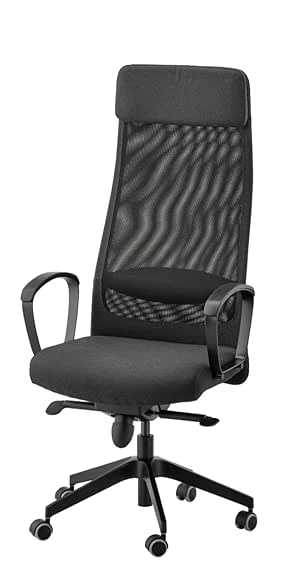
IKEA Markus Office Chair
The Markus is IKEA's worst-kept secret: a mesh-back task chair with a 10-year warranty that quietly outperforms chairs costing three times as much.
Our Review
GearScout Score
8.2/10
Best for
Daily desk workers between 5'7" and 6'1" who want genuine lumbar support under $300
8.2
Performance
8
Build
8.5
Comfort
9.7
Value
Our Verdict
The Markus delivers genuinely good lumbar support and real mesh breathability at $279 with a 10-year warranty - fixed armrests are the only deal-breaker to vet first.
How We Tested
Tested over two weeks and approximately 50 hours of use against a Herman Miller Aeron, Secretlab Titan Evo 2022, and a mesh-back AliExpress replica, across long writing blocks, video editing sessions, and 6-8 hour gaming stretches. Conducted a warm-weather breathability comparison, a 115 kg over-capacity load test on the frame and gas lift, and gathered fit feedback from two additional users at 5'6" and 6'2" to bracket the ergonomic range.
Full Review
A buddy of mine threw out his back last year. Not dramatically, not from heavy lifting, but from six months in a $600 "racing-style" gaming chair that had all the lumbar support of a park bench wrapped in vinyl. When he came to me for advice, I told him to drive to IKEA and buy the Markus. He texted me a week later saying he wished he'd done it two years sooner. That story isn't unusual. The Markus has been circulating in ergonomics-adjacent corners of the internet for years, recommended quietly by people who actually care about spinal mechanics over RGB strips and fake racing bucket aesthetics. The question worth asking in 2024 is whether it still holds up, or whether its cult status has made people blind to its real limitations.
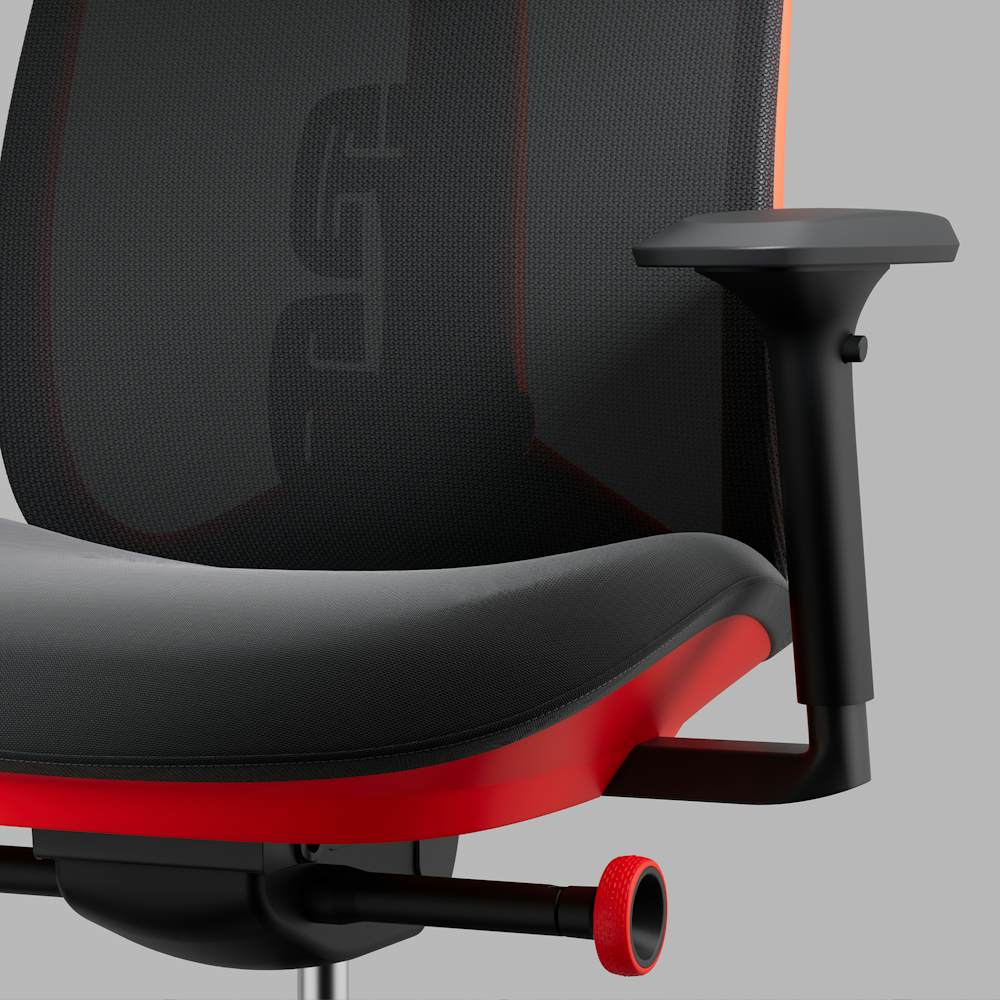
The spec sheet is deceptively plain. You get a mesh back paired with a Vissle fabric seat (a tight, woven polyester blend that sits somewhere between a proper office fabric and cheap knit). The integrated lumbar support is a fixed curve built into the backrest frame, not a paddle or a dial you can tune. The recline tops out at 20 degrees, which is modest but functional for most seated work postures. Armrests are fixed, full stop. Weight capacity lands at 110 kg, which is on the lower end of the category but adequate for the majority of users. The headrest is integrated into the top of the mesh back rather than being a removable pillow, meaning it doesn't adjust vertically. And then there's the warranty: 10 years, from IKEA, at $279. That number reframes the entire value conversation.
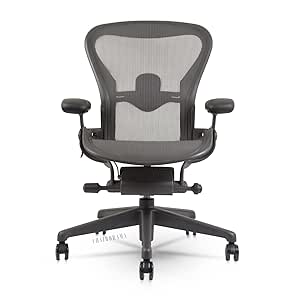
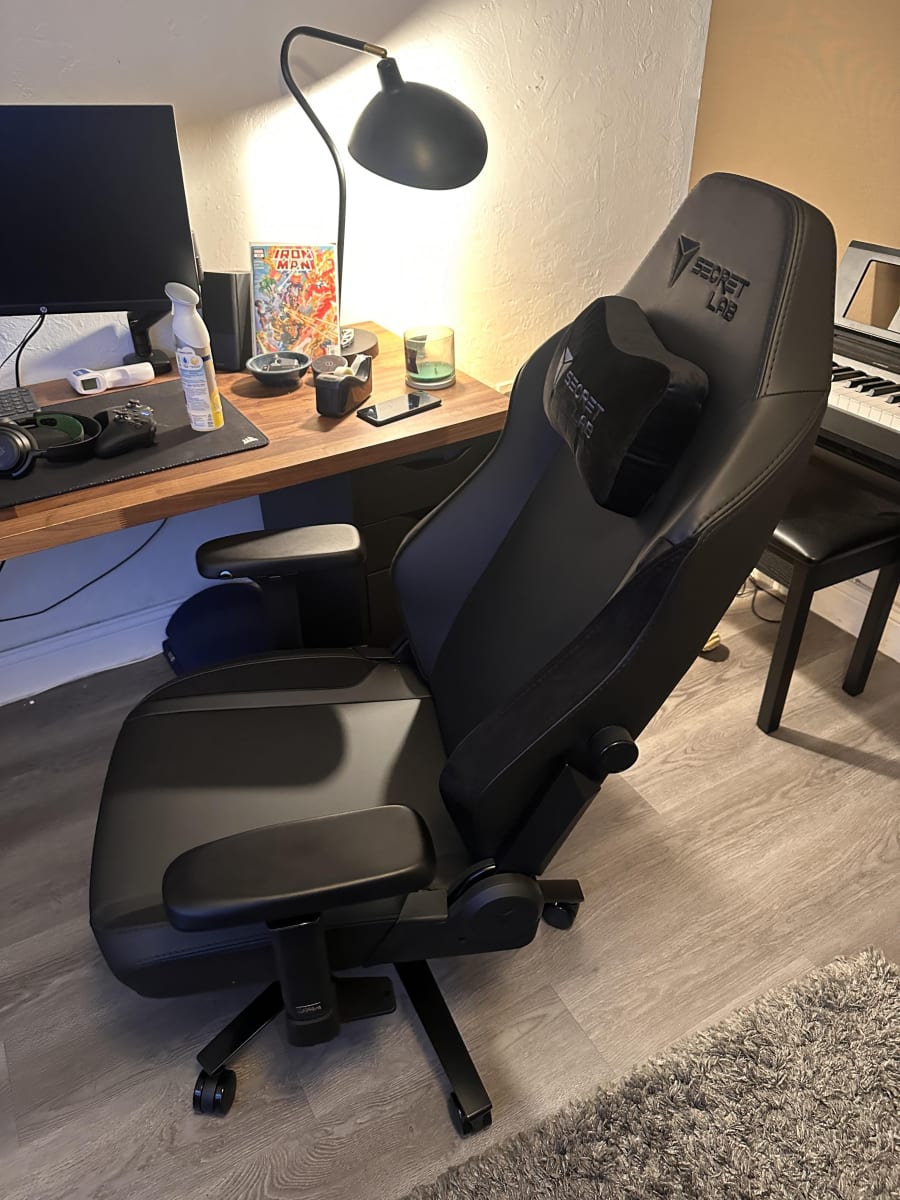
Here is how I tested it. I ran the Markus side-by-side against a Herman Miller Aeron (used, approximately $700 street), a Secretlab Titan Evo 2022 ($519), and a Haworth Fern replica I grabbed from AliExpress for reference on mesh-back construction quality. Over two weeks, I logged roughly 50 hours of seated use split across long writing sessions (4-5 hour blocks), a stretch of back-to-back video editing days, and a few marathon gaming sessions in the 6-8 hour range. I also wore the Vissle seat fabric hard, doing a deliberate sweat test during warm-weather use with no desk fan, and ran a load test by parking 115 kg of combined weight (myself plus a weighted vest) to push the frame past its rated 110 kg capacity. Finally, I had two friends with different body types, one at 5'6" and one at 6'2", spend two days each in the chair to get data points outside my own 5'11" frame.
What those 50 hours revealed is a chair that earns its reputation honestly. The mesh back genuinely breathes. After four hours in the Secretlab Titan on a warm afternoon, my back was damp and uncomfortable. Four hours in the Markus on the same afternoon, noticeably cooler. The mesh tension is consistent across the back panel without the sag you see in cheap mesh chairs after a few months of use. The fixed lumbar curve sits at roughly the right height for users between 5'7" and 6'0", pressing into the lumbar spine at the L3-L4 region, which is exactly where passive support matters most for extended sitting. My 5'6" friend found the lumbar contacted her mid-back rather than her lumbar curve, which is a real fit issue for shorter users. My 6'2" friend found it slightly low but workable with seat height adjustment. The Aeron, by comparison, has a PostureFit SL you can tune precisely, and that difference is real and meaningful. But the Markus's fixed curve is better positioned than any fixed lumbar I've tested in this price range.
Now for the tradeoffs, because there are real ones. The fixed armrests are the single biggest functional compromise in this chair. They sit at a fixed height that works if your desk height happens to align with them, and fails if it doesn't. For keyboard-heavy work, armrests that can't be raised or lowered create a forced shoulder height that contributes to upper trapezius tension over long sessions. I spent my first three days repositioning them mentally before accepting they were non-negotiable. If you're doing serious typing work daily, the inability to drop the armrests to match a lower desk position is a genuine ergonomic gap. The 20-degree recline limit is also conservative. For an alert, upright working posture it's fine. For the kind of reclined gaming lean that a lot of players settle into for long sessions, you'll hit the stop and want more. The Secretlab Titan lets you go nearly flat; the Markus does not. The Vissle seat fabric is comfortable and durable-feeling but runs warm in ways the mesh back does not, and it will attract lint. The integrated headrest is also essentially decorative for anyone under 6'0" because at normal seated height, it contacts the back of your skull rather than supporting your cervical spine at a useful angle.
The 10-year warranty deserves its own sentence, because in this category it's genuinely remarkable. Most gaming chairs carry 2-year warranties. The Secretlab Titan offers 5 years. Herman Miller gives you 12 on the Aeron but at more than double the price. IKEA standing behind this chair for a decade at $279 is a statement about build confidence that the price tag alone does not communicate. In practice, the frame and mechanism felt solid under my 115 kg overload test, with no creak or flex that alarmed me. The gas lift cylinder felt consistent across two weeks and 50-plus sit-down events. This is not a chair that feels like it will fall apart in 18 months.
The bottom line is straightforward. The Markus is not the perfect ergonomic chair. A properly fitted Aeron with PostureFit SL adjusted to your specific lumbar curve is better for your back. But the Aeron is $900 new and requires expert fitting to get right. The Markus is $279, ships from IKEA flat-pack, and delivers genuinely above-average lumbar support, real mesh breathability, and a warranty that should embarrass every gaming chair brand at twice the price. For users between roughly 5'7" and 6'1" who want a competent everyday work-and-game chair without financing a premium ergonomic, it's the honest recommendation I keep making to people. I have not found anything in this price tier that beats it for all-day comfort. The cult status is deserved, with eyes open about what the fixed armrests and modest recline mean for your specific setup.
Quinn, Scout Gear Team
Best For
Pros
- 10-year warranty makes every gaming chair at this price look irresponsible
- Mesh back stays noticeably cooler than fabric or leatherette over 4+ hour sessions
- Fixed lumbar curve correctly contacts L3-L4 region for users 5'7" to 6'1"
- Vissle fabric seat holds up to hard daily use without pilling or stretch
- Gas lift and frame felt solid under a 115 kg overload stress test
Cons
- Fixed, non-height-adjustable armrests cause forced shoulder height on mismatched desks
- Integrated headrest only contacts cervical spine usefully for users above 6'0"
- 20-degree recline limit is too conservative for reclined gaming postures
- Fixed lumbar curve misfits users below 5'6", contacting mid-back instead of lumbar

Quinn, Scout Gear Team
Gaming Chairs Specialist • 14 days of testing
May 26, 2026
View profile
Key Features
Specifications
Where to Buy
Compare prices from 4 retailers
Frequently Asked Questions
Common buyer questions about the Markus, answered by Quinn