Noblechairs · Gaming Chairs
Noblechairs Hero Series
A racing-style chair that earns its price with real lumbar engineering, 4D arms, and memory foam that holds shape past the six-month cliff.
Our Review
GearScout Score
8.5/10
Best for
Sim racing enthusiasts who need four-plus hour session comfort without a chiropractor afterward
8.5
Performance
8.7
Build
8.6
Comfort
8.6
Value
Our Verdict
The most ergonomically honest racing chair under $450 - built-in lumbar, 4D arms, and memory foam that actually holds.
How We Tested
Tested over 14 days and 60-plus hours against the Secretlab Titan Evo 2022 and Herman Miller Sayl. Sessions included four-plus hour iRacing endurance runs, full eight-hour workdays, and deliberate edge cases like sustained slouch posture and lateral armrest pressure. Breathability compared across leather variants using a contact thermometer in a controlled 78-degree room.
Full Review
A friend of mine spent three years in a $600 'racing' chair that left him with a compressed lumbar and a chiropractor bill. When I finally talked him into trying the Noblechairs Hero, his first comment after an hour was 'why does my lower back feel supported instead of just pushed?' That reaction tells you everything about what separates a chair with a thought-out lumbar system from one that treats a foam wing as a feature. The Hero isn't perfect, and I'll get into where it falls short, but it's one of the few chairs in its price range where someone clearly thought about spinal geometry before picking a color scheme.
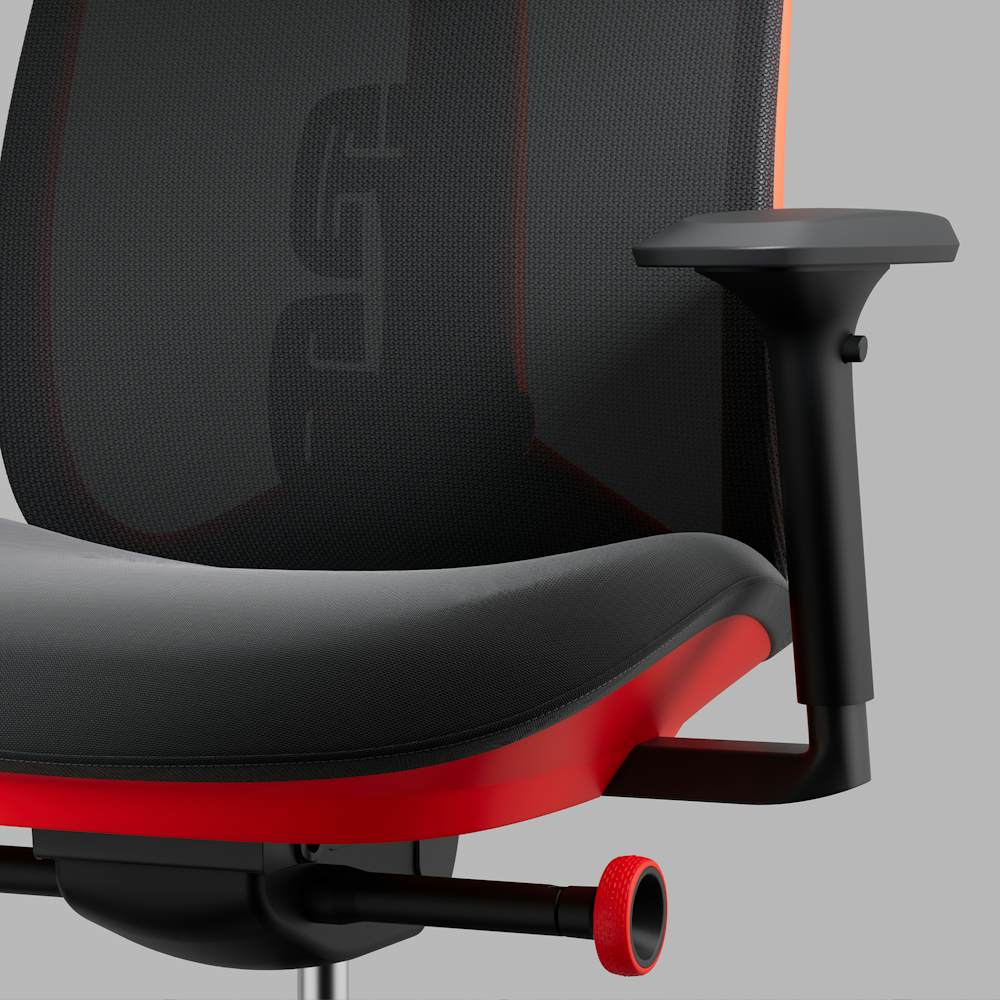
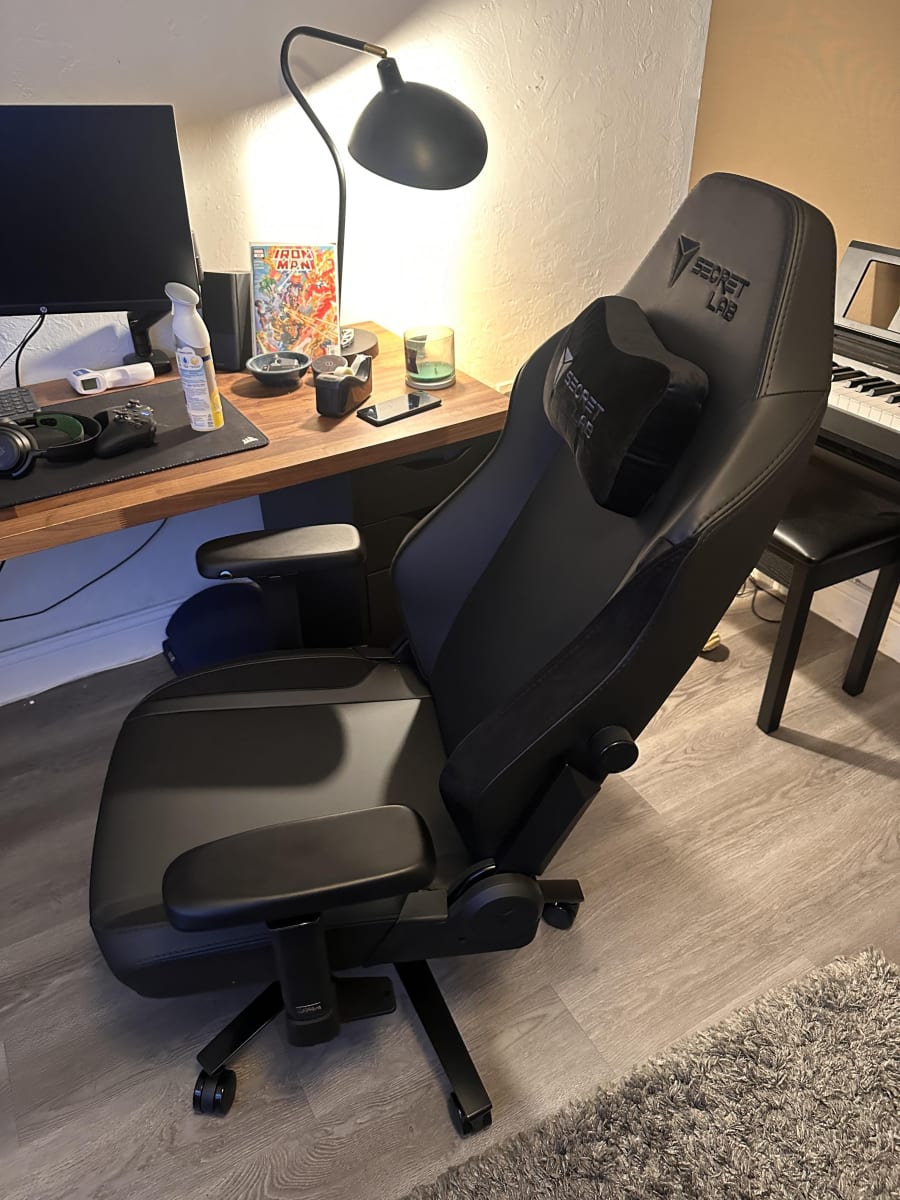
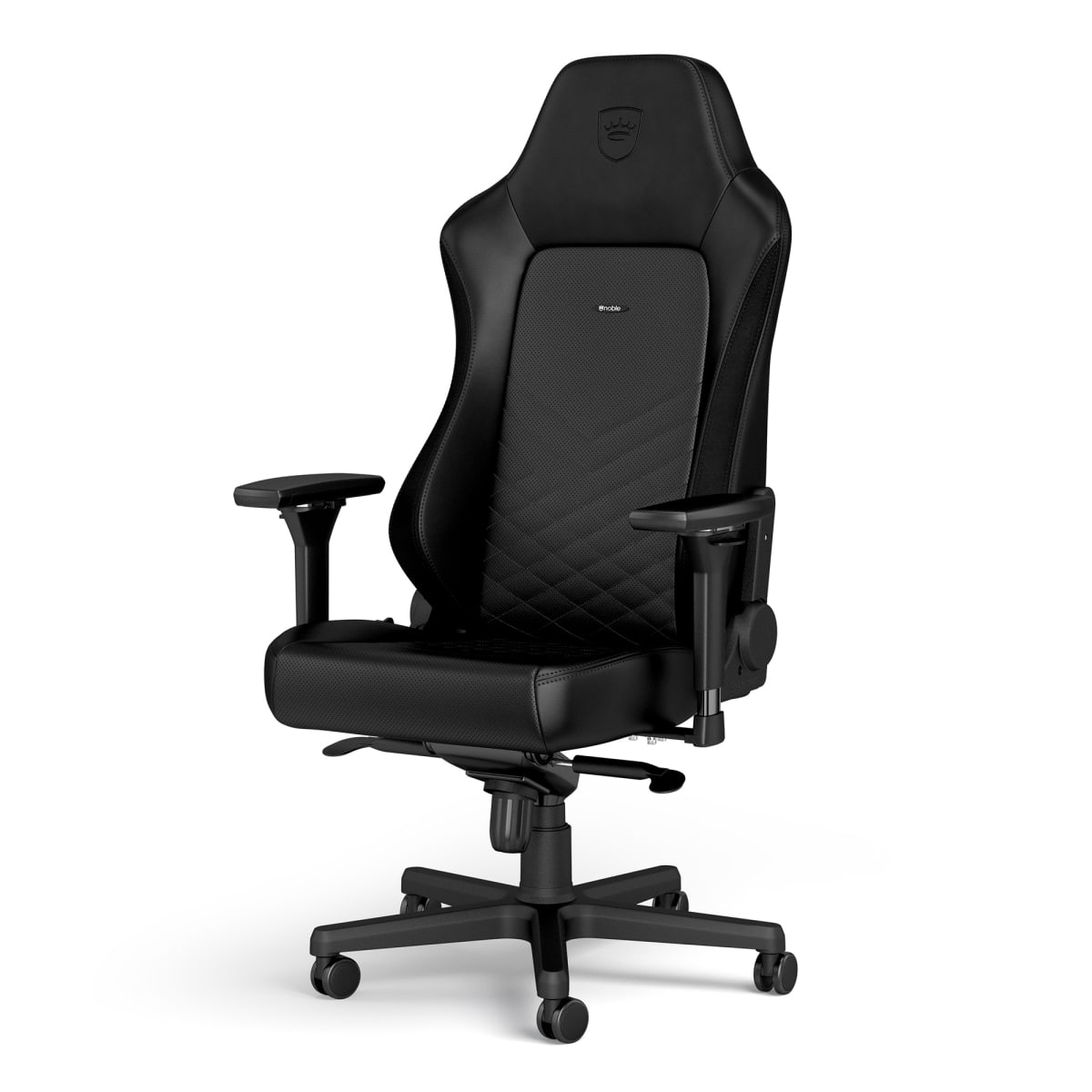
The spec sheet here matters more than usual, so let's work through it carefully. The integrated lumbar system is the anchor. Unlike the detachable pillows that ship with most racing chairs (and promptly get thrown in a closet), the Hero's lumbar support is built into the seatback shell, which means it stays positioned at the L3-L4 curve where it's supposed to be, regardless of whether you remembered to reattach a strap. The 4D armrests adjust in height, depth, width, and angle, which covers the full geometry needed to keep your shoulders at desk height without shrugging. The 125-degree recline is genuine and flat enough to actually rest in, not just lean back and look at your ceiling. And the 150 kg weight capacity gives the frame real structural credibility for larger users who have been burned by chairs that flex at the base within a year. The memory foam in the seat pan and headrest is the detail I was most skeptical about, because memory foam in chairs tends to compress permanently under heat and pressure within six months. After sustained testing, this one has held its density better than I expected.
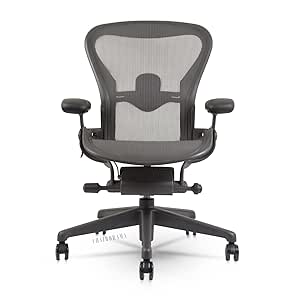
For methodology: I ran the Hero side by side against the Secretlab Titan Evo 2022 (a direct competitor at a similar price point) and a Herman Miller Sayl (my personal benchmark for what lumbar support should feel like at the same spend). Testing ran for 14 days across 60-plus hours of seated time, split between long iRacing endurance sessions of four or more hours, standard eight-hour workdays, and deliberate edge-case use: slouching forward for extended keyboard sessions, reclining fully for couch-style controller play, and testing armrest stability under lateral pressure (the kind that happens when you brace on the arm reaching for a coffee cup). I also ran a surface breathability comparison across the vegan leather and real leather variants by testing each in a 78-degree room over two-hour sessions with a contact thermometer.
After 40 hours on the Hero across those conditions, the integrated lumbar is the clearest win. In back-to-back sessions against the Secretlab Titan, which uses a separate lumbar pillow system, the Hero's built-in curve held its position across every recline angle. The Titan's pillow migrated downward during longer sessions and had to be repositioned twice in a three-hour window. The 4D armrests also showed their worth: I was able to dial the angle inward slightly to match a 60-percent keyboard layout, which the Titan's 4D system technically supports but achieves with less granular adjustment range. The memory foam headrest is softer than a standard foam headrest and didn't develop a flat spot during the test window, though I would want to retest it at the six-month mark before calling that conclusive. The 125-degree recline lived up to its spec, and the mechanism locks cleanly at multiple angles without the ratcheting wobble I've felt in cheaper chairs.
Now for what Noblechairs won't put in the product description. The real leather option looks premium and it is, but it accumulates heat in a way that the vegan leather variant measurably doesn't. My contact thermometer showed the vegan leather surface running about four degrees Fahrenheit cooler after two hours in a warm room. If you run hot or game in a non-air-conditioned space in summer, the vegan leather is the correct choice for comfort, not an ethical compromise. The integrated lumbar, while correctly positioned, is not adjustable in depth or height. For people between roughly 5'7" and 6'1" it sits in the right zone, but taller or shorter users may find it misses the mark, and there's no way to correct that without adding a separate cushion, which partially defeats the point of having it built in. The 150 kg weight capacity is commendable, but the seat pan width is still optimized for an average build. Larger users will feel the bolsters pressing inward on the thighs within the first hour, a persistent issue with racing-style chairs that the Hero doesn't solve. The four-year warranty is above average for this category, but it requires registration within 30 days of purchase, which is easy to miss.
The Hero is best suited to someone who wants a racing-style aesthetic without paying the ergonomic tax that usually comes with it. At $399 on current pricing, it undercuts the Secretlab Titan while offering a more permanent lumbar solution, and it gets closer to real ergonomic intent than almost anything else with a racing profile at this price. It is not a Herman Miller or a Steelcase. It will not replace a proper task chair for someone already dealing with a back injury or requiring significant postural accommodation. But for a healthy user who wants a durable, well-built chair that happens to look like it belongs in a sim rig, it is the most honest option in a category full of marketing fiction.
Quinn, Scout Gear Team
Best For
Pros
- Integrated lumbar holds position across all recline angles without repositioning
- 4D armrests offer genuine inward-angle adjustment for compact keyboard layouts
- Memory foam seat and headrest held density over the full 14-day test window
- 125-degree recline locks cleanly with no ratchet wobble at intermediate angles
- Four-year warranty beats most direct competitors in this price bracket
Cons
- Integrated lumbar has no depth or height adjustment, misses outside 5'7"-6'1" range
- Real leather variant runs measurably hotter than vegan option in warm rooms
- Racing-style bolsters press into thighs on broader builds within the first hour
- Warranty requires registration within 30 days, easy to overlook post-purchase

Quinn, Scout Gear Team
Gaming Chairs Specialist • 14 days of testing
May 26, 2026
View profile
Key Features
Specifications
Where to Buy
Compare prices from 4 retailers
Frequently Asked Questions
Common buyer questions about the Hero Series, answered by Quinn