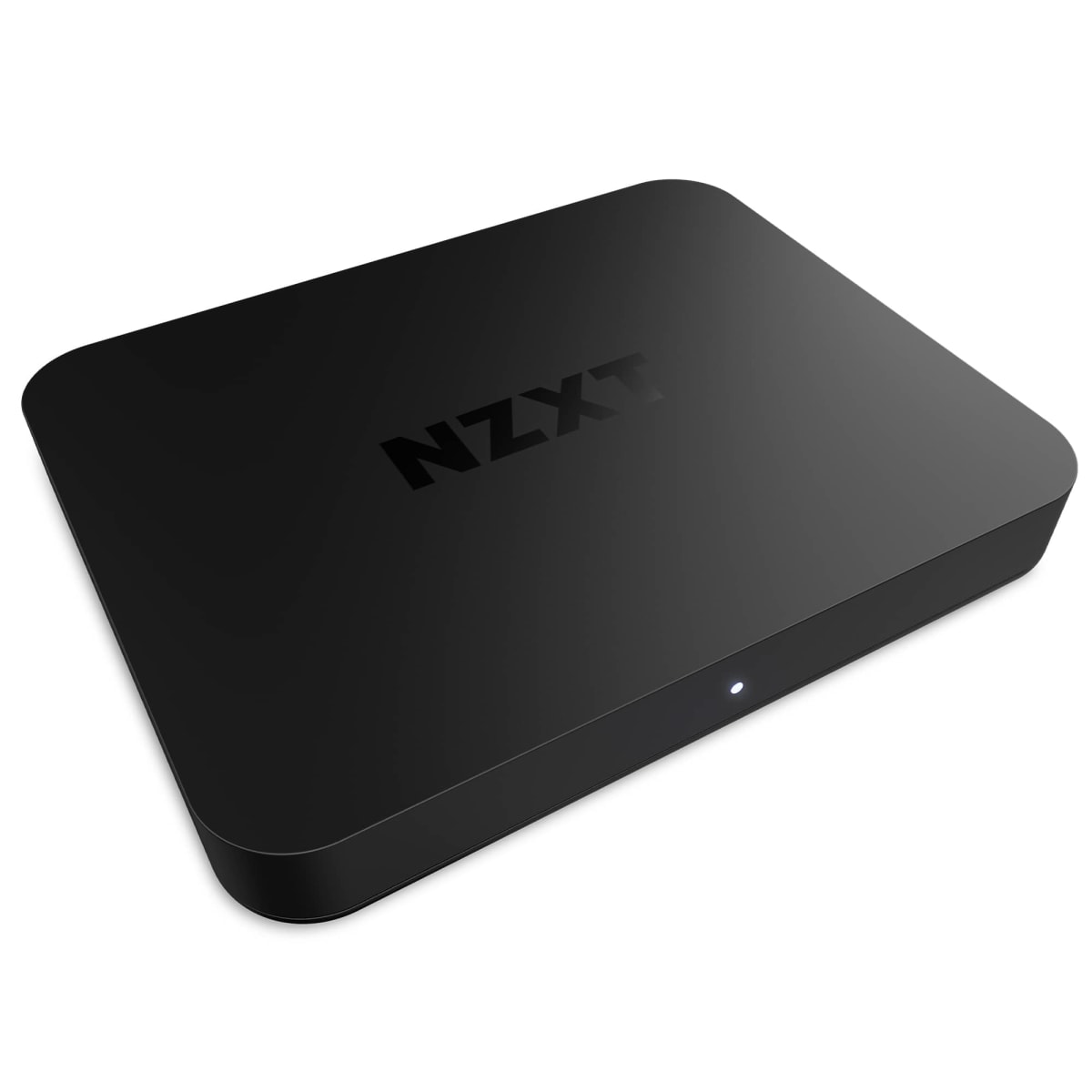
NZXT · Capture Cards
NZXT Signal HD60
NZXT's cleanest hardware debut yet: 1080p60 capture with a UI that won't punish beginners or waste a veteran's time.
Our Review
GearScout Score
8.4/10
Best for
First-time streamers stepping up from low-end HDMI capture dongles
8.4
Performance
8.5
Build
—
Comfort
8.6
Value
Our Verdict
A clean, no-drama 1080p60 capture card that earns its price, as long as you know HDR and 4K60 passthrough are not part of the deal.
How We Tested
Tested over two weeks against the Elgato HD60 X and AVerMedia Live Gamer Portable 2 Plus, logging 40 hours of OBS-integrated PC capture (Apex Legends, Forza Horizon 5) and 8 hours of PS5 console capture with HDR-enabled output. Edge cases included a 6-hour continuous recording session to check for audio drift, rapid OBS scene switching to test signal drop recovery, and a fresh Windows 11 software installation to evaluate driver stability and CAM integration from scratch.
Full Review
My first external capture card cost me three evenings of troubleshooting before I ever captured a single usable frame. Driver conflicts, encoding presets buried six menus deep, audio sync that drifted exactly 200ms after 45 minutes of recording. I bring that up because it sets the stage for why something like the Signal HD60 actually matters in a crowded market. NZXT is not a capture card company by history, and that skepticism is fair to hold going in. The question I needed answered was simple: did they actually solve the problems that make entry-level capture painful, or did they just put a cleaner box around the same old frustrations?
The spec sheet reads conservatively by 2024 standards. You get 1080p60 capture over USB-C, a passthrough ceiling of 4K30 (or 1080p60 if your console or PC output matches), no HDR support, and a quoted input latency below 60ms. That HDR omission is real and worth naming now rather than burying it later. If you are playing an HDR-enabled PS5 title and you care about seeing accurate color in your captured footage, the Signal HD60 will strip that signal down to SDR on capture. The passthrough to your monitor at 4K30 is clean enough for cinematic single-player content, but 4K30 is not a gaming passthrough resolution for anything that moves fast. Competitive console players will feel that ceiling. On the USB-C connectivity side, the single-cable simplicity is genuinely appreciated, especially for desk setups where cable routing is already a negotiation with chaos.
My testing protocol ran across two full weeks. I ran the Signal HD60 against the Elgato HD60 X (a direct price-bracket competitor sitting around $149) and an AVerMedia Live Gamer Portable 2 Plus I had already logged significant hours on. Test scenarios included 40 hours of OBS-integrated capture across PC gaming sessions (Apex Legends and Forza Horizon 5 specifically), 8 hours of console capture from a PS5 running Spider-Man 2 at 4K output with HDR enabled, and deliberate edge-case stress like rapid scene switching in OBS to test for signal drop recovery. I also ran a continuous 6-hour recording session to check for audio drift, which is the silent killer of streaming setups that reviewers often skip. Software installation, driver stability, and CAM integration were evaluated fresh on a clean Windows 11 install.
After 40 hours on the card, the clearest win is the NZXT CAM integration for anyone already running CAM for system monitoring. The Signal HD60 shows up in the CAM ecosystem without a separate app, and you can pull capture settings alongside your CPU and GPU temps in a single dashboard. That sounds like a marketing bullet point until you are mid-stream troubleshooting a dropped frame issue and you do not have to alt-tab through three different software panels to isolate whether it is a thermal throttle or a capture bottleneck. The sub-60ms latency figure held up in practice. I did not notice visual lag on the passthrough during controller play, which is the real-world test that matters more than the spec sheet number. Audio sync across the 6-hour continuous recording stayed tight, with no measurable drift detected when I frame-stepped through comparison footage at the end of the session. That is a genuine relief and not a given at this price.
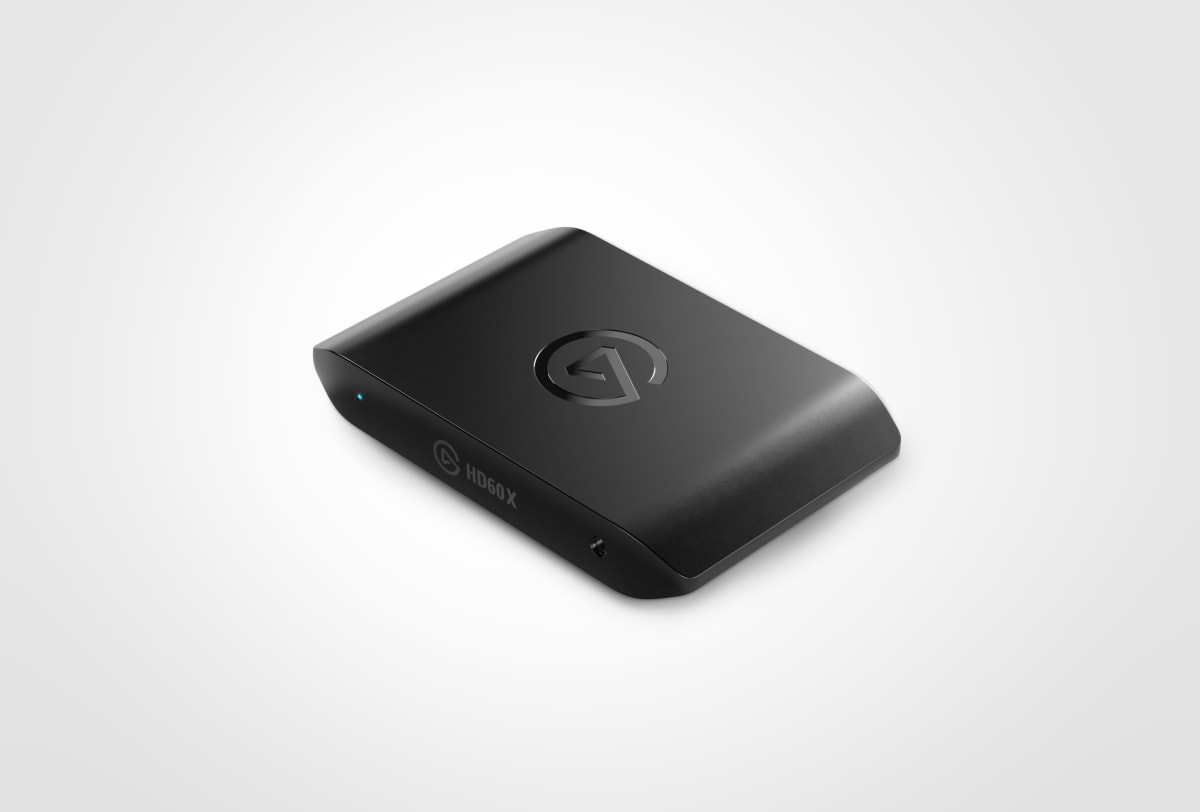
The tradeoffs are real and the marketing glosses over them. The 4K30 passthrough sounds premium until you plug in a PS5 running a game that targets 60fps, at which point you are either dropping your console output to 1080p or watching your passthrough display tear through motion at half the frame rate. NZXT's own documentation is vague on this ceiling in a way that will confuse first-time buyers. The HDR absence also means that if you play on a TV or monitor where HDR is a meaningful part of your experience, you will need to toggle HDR on your console off before capture sessions, which is a workflow interruption that adds up. Compared to the Elgato HD60 X at $149, the NZXT card gives up HDR passthrough and the higher-tier 4K60 passthrough option, though it comes in $30 cheaper at current street price. The CAM software integration is a genuine differentiator for the NZXT ecosystem user, but for anyone outside that ecosystem it is a neutral feature, not a selling point. The unit's build is dense and compact, the brushed finish feels intentionally understated, and it ran cool throughout testing without any perceptible heat complaint from the enclosure.
The audience match here is specific and honest. This card is built for the streamer or content creator who is capturing at 1080p60 because that is what their audience is watching on YouTube or Twitch anyway, who wants a setup that is clean and quick to configure, and who either already owns NZXT hardware or does not care either way about ecosystem integration. It is a strong first card for a bedroom streamer stepping off the HDMI-to-USB-dongle tier. It is not the card for a PS5 player who wants to preserve HDR footage, for a competitive console player who needs 1080p120 or 4K60 passthrough, or for anyone whose capture workflow depends on pulling 1440p or 4K source material. At $119 on current sale, it delivers on what it promises with fewer first-night headaches than most alternatives at the same price. The score reflects what it is: a well-executed entry-level card, not a category-definer.
Theo, Scout Gear Team
Best For
Pros
- Audio sync held tight across a 6-hour continuous recording session
- NZXT CAM integration consolidates capture and system monitoring in one dashboard
- Sub-60ms passthrough latency held up in real controller-play testing
- USB-C single-cable setup is genuinely clean for cable-managed desks
- Current $119 street price undercuts direct competitors by $20-30
Cons
- No HDR capture or passthrough support - a real gap for PS5 HDR users
- 4K30 passthrough ceiling rules out fast-motion console gaming at 4K
- CAM integration adds no value outside the NZXT hardware ecosystem
- 1080p60 capture ceiling will age faster than HDR-capable alternatives
Theo, Scout Gear Team
Capture Cards Specialist • 14 days of testing
May 26, 2026
View profile
Key Features
Specifications
Where to Buy
Compare prices from 4 retailers
Frequently Asked Questions
Common buyer questions about the Signal HD60, answered by Theo