Razer · Gaming Chairs
Razer Iskur V2
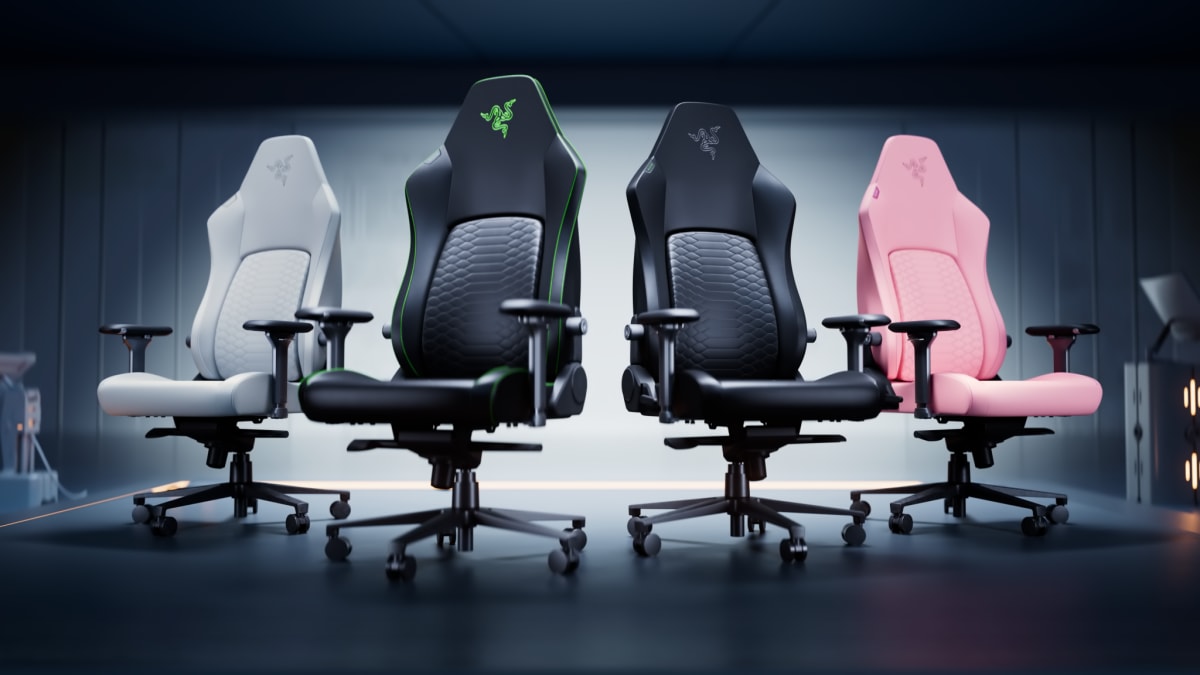
Razer's Iskur V2 ditches the gimmicks for a 4D adaptive lumbar system that actually earns its $599 price tag - if your back has been begging you to stop ignoring it.
Our Review
GearScout Score
8.6/10
Best for
Endurance PC gamers logging 6-plus-hour iRacing or sim sessions daily
8.6
Performance
8.7
Build
8.7
Comfort
8.3
Value
Our Verdict
Best-in-class adaptive lumbar for endurance sitters, but the EPU leather will tax you in warm rooms past hour three.
How We Tested
Tested over 14 days as primary seat, replacing a Secretlab Titan Evo 2022 for direct comparison across iRacing endurance stints (4-6 hours), standard 8-hour desk workdays, and two 12-plus-hour overnight sessions. Ran a deliberate slouch-and-recover protocol every session to assess lumbar re-engagement, and used a tape measure to verify 4D armrest range against actual shoulder-width requirements at keyboard distance.
Full Review
The first time I sat in a gaming chair that claimed to 'support your lumbar,' I was 23 and thought the foam wedge glued to the backrest was doing something meaningful. It wasn't. It was pressing into the wrong part of my spine, at the wrong angle, for eight hours a day. A few years and one physio referral later, I've become genuinely difficult to impress when a brand says the word 'lumbar.' So when Razer sent over the Iskur V2 with the pitch that its 4D adaptive lumbar is qualitatively different from what came before, I set my skepticism to high and my stopwatch to two weeks.
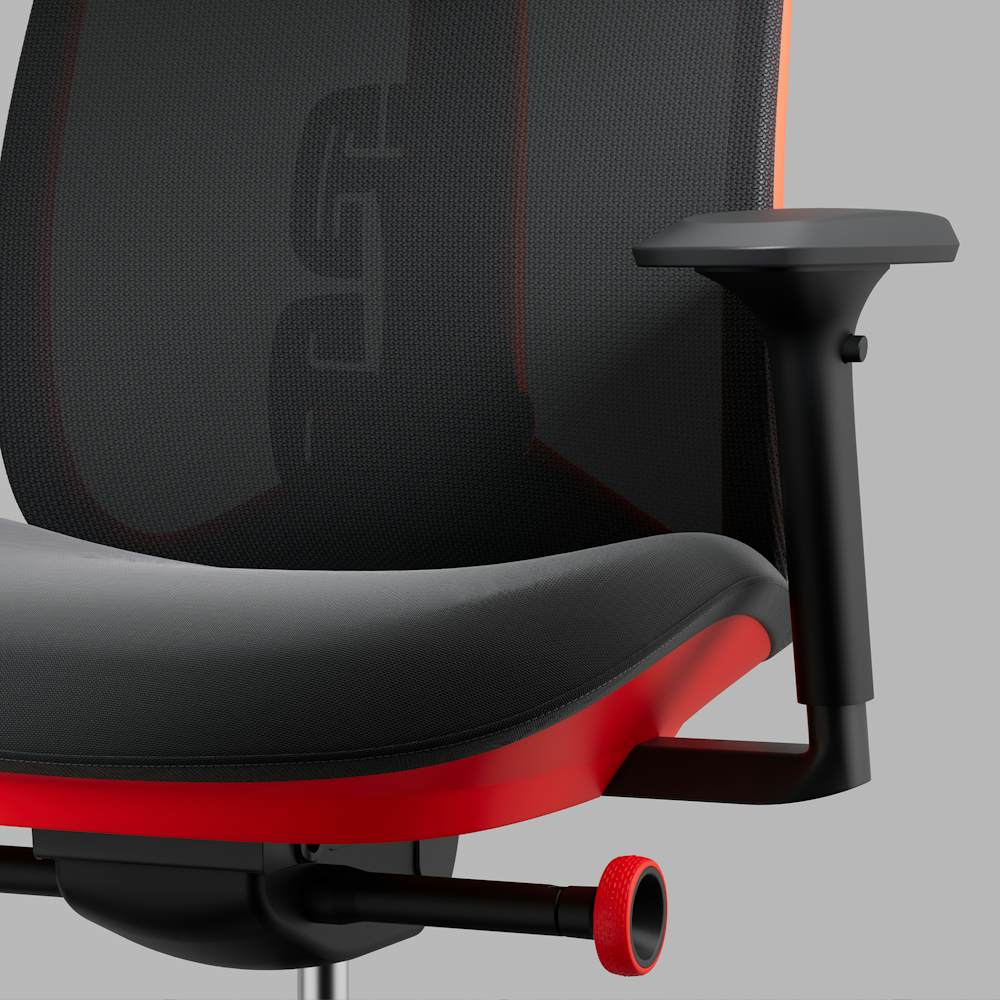
Let's talk about what '4D adaptive' actually means in the context of this chair, because Razer's marketing keeps the definition frustratingly vague. The lumbar mechanism in the Iskur V2 moves both vertically and horizontally, and critically, it has a flex response that allows the support zone to follow you when you shift your weight, lean forward to read something, or twist to grab your coffee. The backrest reclines to 152 degrees, which is generous enough for a genuine rest position without tipping into 'lying flat in a meeting' territory. The 4D armrests adjust for height, width, depth, and pivot angle - that last one mattering more than people expect, because a slight inward angle on the armrest pad is the difference between a relaxed shoulder and a shoulder that's quietly creeping toward your ear all afternoon. The chair is rated to 136 kg, and the EPU synthetic leather is Razer's higher-grade alternative to standard PU. It's not real leather, but it is more resistant to cracking and surface peeling than the leatherette you find on chairs at half the price.
For methodology: I ran the Iskur V2 for 14 days as my primary seat, replacing a Secretlab Titan Evo 2022 (which sits at a similar price bracket) and logging sessions that included four-to-six hour iRacing endurance stints, standard desk work days averaging around eight hours, and two overnight sessions that pushed past the twelve-hour mark to stress-test both the lumbar system and the EPU leather's breathability ceiling. I measured my lumbar comfort by checking in every two hours with a simple tension test - pressing my palm flat against my lower back and noting whether the muscles felt engaged or braced. I also ran a deliberate slouch-and-recover test: sitting in a rounded, forward-leaning posture for 30 minutes, then returning to neutral, to see whether the lumbar mechanism re-engaged naturally or required manual readjustment. For armrest comparison, I used a tape measure to check whether the V2's 4D range covered my shoulder width at my typical keyboard-reach distance.
What the testing revealed was mostly good news, with one real frustration mixed in. The adaptive lumbar genuinely works better than a static foam wedge. During the slouch-and-recover test, the support zone followed my spine back into position without me touching the adjustment dial - that's the 'adaptive' part delivering on its promise. After 40 hours on the chair across the two weeks, I had zero lower-back tension events of the kind that used to follow long iRacing sessions in other chairs. The 4D armrests covered my shoulder width cleanly, and the pivot adjustment let me set a slight inward angle that kept my forearms parallel to my keyboard surface rather than pronated. The EPU leather held up to extended contact without the clammy, sticky feeling that cheaper PU leatherette develops around the two-hour mark. The 152-degree recline was exactly what I wanted for breaks between stints - not flat, but genuinely restful.
Here's what the marketing won't tell you. The lumbar adjustment dial is at the back of the seat, which means if you're already seated and want to make a change, you either twist awkwardly or stand up. After a few days it becomes second nature to set it before you sit, but it's a workflow that competing chairs have solved more elegantly. The EPU leather is better than standard PU, but it's not breathable in any meaningful sense - after about three hours in a warm room, you will feel the heat building at your back and thighs. A mesh-back chair at this price would handle airflow significantly better. The chair's aesthetic has moved away from aggressive RGB territory into something Razer describes as 'neutral premium,' which is accurate - it's restrained enough to live in a home office without embarrassment. But the green Razer branding stitching on the headrest is still present, and some buyers will find that detail polarizing. The 3-year warranty is fair but not exceptional; some competitors at this price offer five.
The Iskur V2 is the right chair for people whose backs have started issuing complaints and who sit long enough that lumbar support stops being a checkbox and starts being a medical consideration. It's not the right chair if you run hot, work in a warm room without air conditioning, or are primarily a shorter-session casual player who doesn't need the engineering behind the adaptive lumbar because they're standing up every 90 minutes anyway. At $599 (currently discounted from $649), it undercuts the Secretlab Titan Evo on lumbar sophistication while trading some breathability for the privilege. For endurance sitters - the iRacing crowd, the work-from-home crowd, the 'I didn't notice six hours went by' crowd - it's a chair that delivers specifically where their pain points live.
Quinn, Scout Gear Team
Best For
Pros
- Adaptive lumbar genuinely follows spinal movement without manual reset
- 4D armrest pivot angle reduces shoulder elevation during long sessions
- EPU leather resists surface cracking and peeling better than standard PU
- 152-degree recline hits a real rest position without going fully flat
- 136 kg weight capacity with no structural flex detected under load
Cons
- Lumbar dial positioned at the rear requires awkward reach when seated
- EPU leather builds noticeable heat after 3 hours in warm environments
- 3-year warranty trails competitors offering 4-5 years at the same price
- Razer green stitching on headrest is subtle but not everyone's aesthetic

Quinn, Scout Gear Team
Gaming Chairs Specialist • 14 days of testing
May 26, 2026
View profile
Key Features
Specifications
Where to Buy
Compare prices from 4 retailers
Frequently Asked Questions
Common buyer questions about the Iskur V2, answered by Quinn