Rode · Microphones
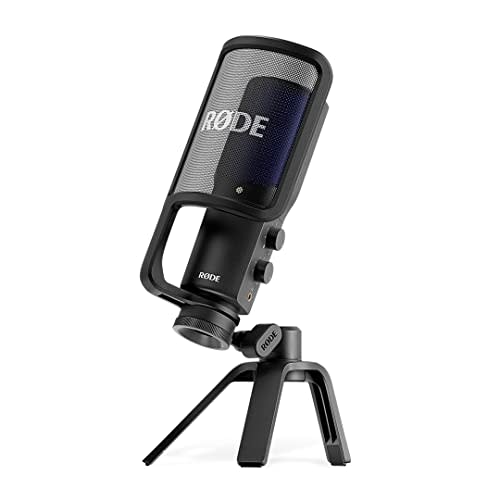
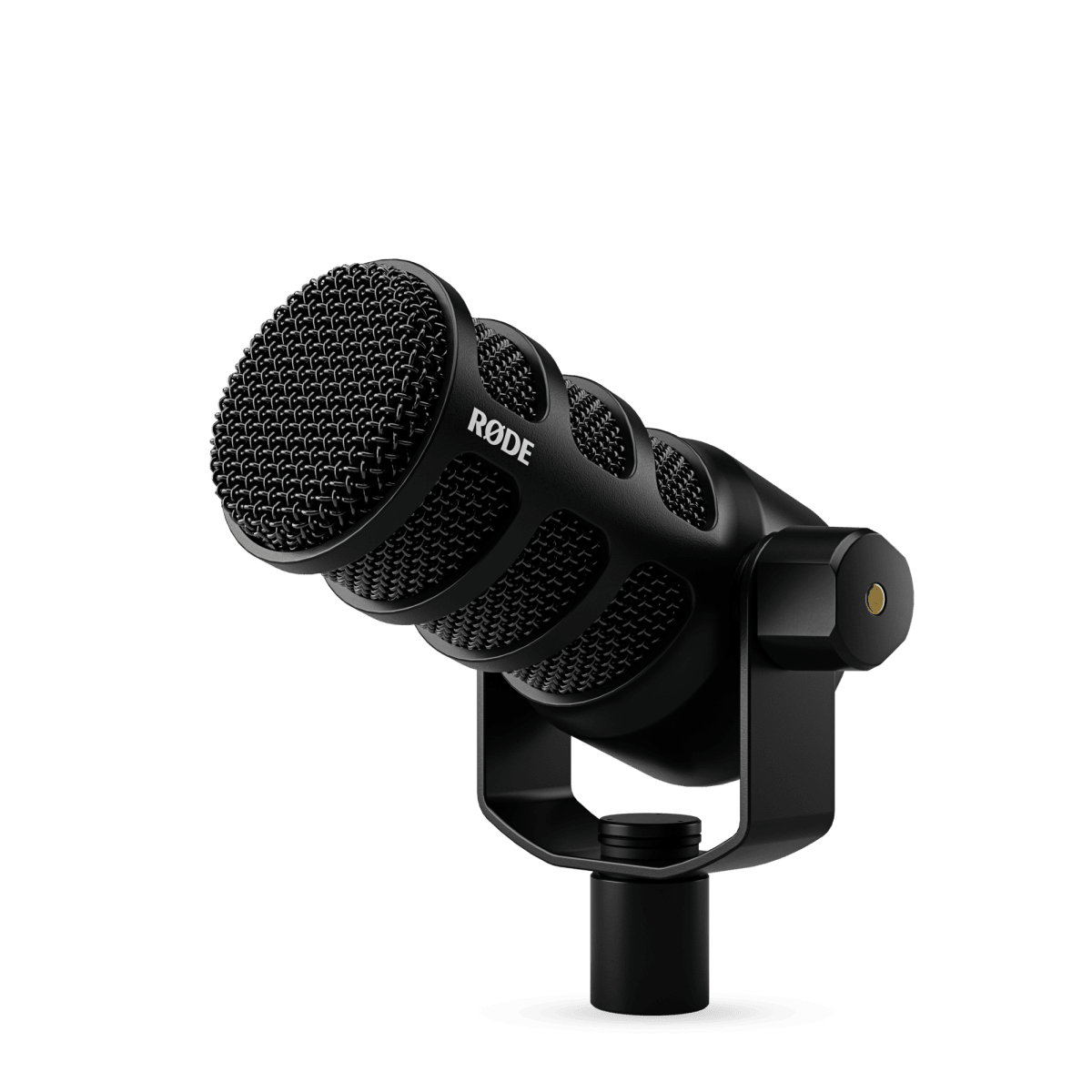
Rode PodMic USB Hybrid
A 940g all-metal broadcast dynamic that does USB and XLR simultaneously - Rode's most practical serious-mic yet.
Our Review
GearScout Score
9/10
Best for
Streamers upgrading from a USB condenser who want room rejection without acoustic treatment
9
Performance
9
Build
—
Comfort
9.2
Value
Our Verdict
The best sub-$200 hybrid dynamic for streamers upgrading from USB condensers - dual output, real DSP, honest rejection.
How We Tested
Tested over 14 days across treated and untreated room environments at a consistent 15cm working distance, compared directly against the Shure MV7 and a reference SM7dB/Scarlett Solo chain. Accumulated 40+ hours of streaming and podcast recording across Windows 11 and macOS Sonoma, stress-testing the Rode Connect DSP at extreme settings and verifying the XLR signal path through a Focusrite Scarlett Solo interface to confirm analog output quality independent of USB.
Full Review
The first time I put a proper broadcast dynamic in front of someone who had been using a budget condenser, the reaction is always the same: they stop hearing their room. That is the whole argument for a cardioid dynamic at a desk, and it is the argument the Rode PodMic USB Hybrid makes loudly from the moment you unbox it. The original PodMic earned a devoted following among streamers and podcasters because it sounded like a radio mic at a fraction of the rack-mount price. This USB Hybrid version adds a USB-C output alongside the XLR, bakes in onboard DSP, and keeps every millimeter of that all-metal chassis. The question worth asking is whether those additions make it worth the $179 asking price or whether they introduced compromises along the way. After two weeks at my desk, the answer is mostly satisfying.
The spec sheet here is worth reading carefully because the numbers tell a story the marketing only hints at. The 50-13,000 Hz frequency response is narrower than the condenser on your shortlist - intentionally. Dynamic microphones used in broadcast environments are deliberately rolled off in the high end to reduce sibilance fatigue during long sessions and to reject the air-conditioning hum that condensers vacuum up without mercy. At 940 grams, the chassis is heavier than most USB mics by a wide margin, which matters for arm stability. Rode built in an internal pop filter, which is not a gimmick here - it meaningfully reduces plosive energy before the signal even hits the DSP chain. The cardioid polar pattern is tight, rejecting audio from the sides and rear with the kind of consistency you expect from a side-address dynamic. The USB-C and XLR outputs can run simultaneously, which opens up real dual-chain workflows.
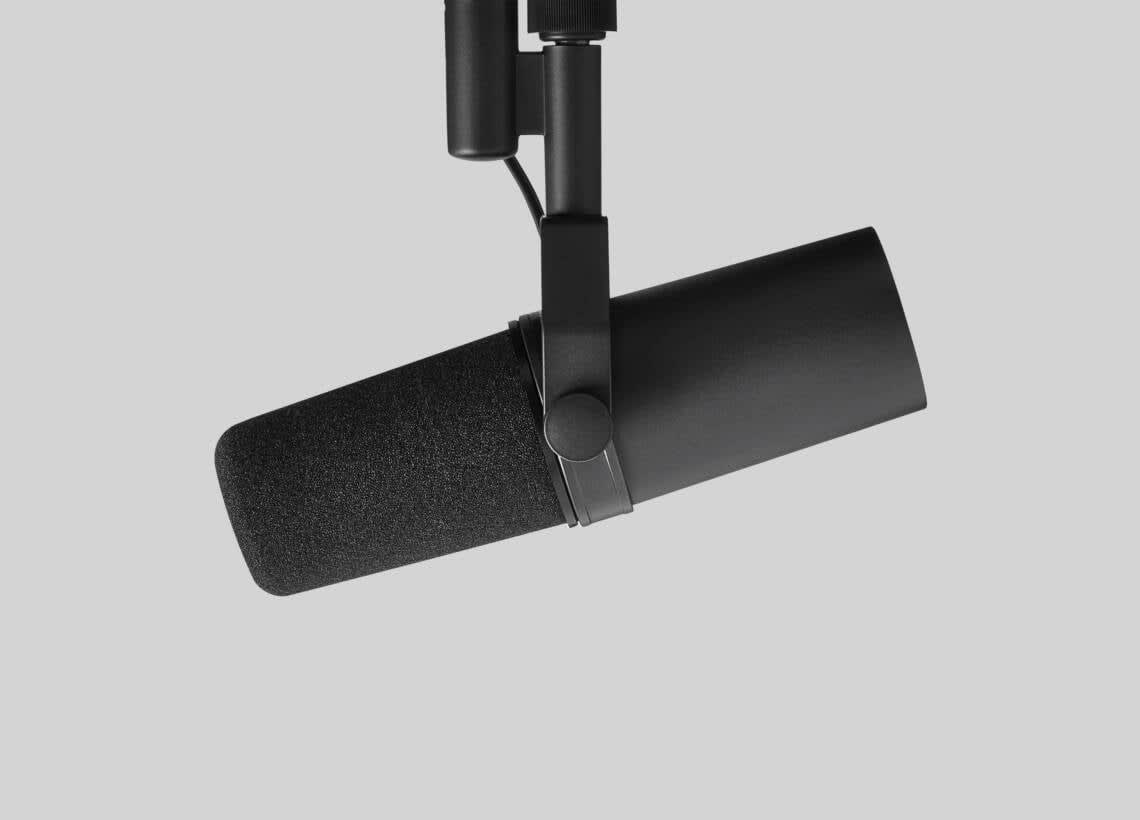
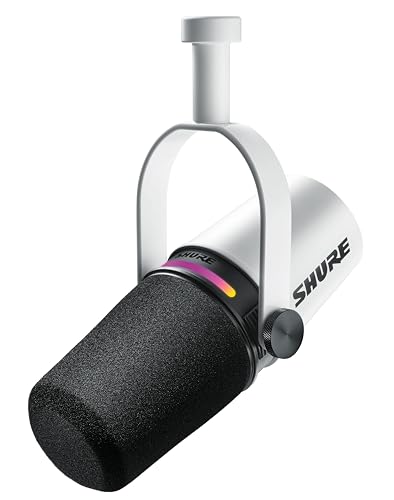
For methodology: I ran the PodMic USB Hybrid for 14 days as my primary recording and streaming microphone, comparing it directly against the Shure MV7 (the most obvious competitor at a similar price point) and my reference chain of a Shure SM7dB into a Focusrite Scarlett Solo. Voice recordings were made at a consistent 15cm working distance in a treated home studio, an untreated spare bedroom, and a kitchen environment with deliberate background noise introduced. I pushed the onboard DSP through Rode Connect on both Windows 11 and macOS Sonoma, testing the noise gate, high-pass filter, and compressor at extreme settings to find where artifacts appear. I also tested the XLR output through the Scarlett Solo to see whether the analog signal path holds up to interface scrutiny when you eventually want to migrate off USB. Streaming sessions totaled over 40 hours across gaming and podcast scenarios.
What those 40 hours revealed is that Rode has tuned the low-midrange on this microphone with real care. Male and female voices both land with a chest-forward weight that sounds authoritative without the proximity effect going overboard at typical desk distances. In the untreated bedroom, the rejection advantage over the MV7 was audible but modest - both are good at killing room noise, and at 50-13,000 Hz the PodMic is simply not picking up the high-frequency room modes that plague condensers in the same space. The internal pop filter earned its keep on 'p' and 'b' sounds where I deliberately moved closer to the capsule than I should. Through Rode Connect, the compressor is the most usable of the three DSP tools - conservative by default, and the artifact floor before it starts pumping is higher than I expected from software compression on a hybrid mic. The noise gate requires more tuning patience, especially if you share a space with intermittent noise sources. The 940-gram weight requires a quality arm - mine handled it without drift, but a cheap desktop stand will struggle.
The tradeoffs are real and Rode will not tell you about them in the product page. The 13,000 Hz frequency ceiling means acoustic guitar, cymbals, and any source with significant high-frequency content will sound dull through this microphone. It is a voice instrument, full stop. The onboard DSP is only configurable through Rode Connect software, which means on a machine where you cannot install software - say, a locked-down work laptop or a gaming console - you are getting a flat dynamic with no adjustments. The USB and XLR simultaneous output is genuinely useful but Rode has not published clear documentation on whether the DSP chain applies to both outputs or just USB; in my testing the XLR signal bypasses DSP, which is probably the right engineering call but should be stated explicitly. Finally, at 940 grams, arm placement is not optional - budget accordingly for a boom arm that can hold the weight without creep.
The audience fit is specific and that specificity is a strength, not a weakness. If you are a streamer or podcaster who started on a USB condenser, has noticed your room creeping into recordings, and wants a single mic that works as a USB device today and as a proper XLR source when you eventually buy an interface, this is the clearest upgrade path in the sub-$200 bracket. It is not for musicians tracking instruments, and it is not for anyone whose voice work requires air and presence above 13,000 Hz. But for spoken word, game commentary, and podcast interviews at a desk, the tonal balance is better than the Shure MV7 at comparable prices, and the simultaneous dual-output architecture is something neither the MV7 nor the Audio-Technica AT2020USB-X can match. The $179 street price makes the value score obvious once you hear it against the competition.
Soren, Scout Gear Team
Best For
Pros
- Simultaneous USB-C and XLR output enables real dual-chain workflows
- Internal pop filter measurably reduces plosives before DSP stage
- Low-midrange tuning delivers broadcast weight without proximity overload
- 940g all-metal chassis is built for a decade of daily use
- Rode Connect compressor is artifact-tolerant at typical gain settings
Cons
- 50-13,000 Hz ceiling makes it unsuitable for instrument recording
- Onboard DSP inaccessible without Rode Connect software installation
- 940g weight demands a quality boom arm - budget extra accordingly
- XLR output bypasses DSP chain with no clear documentation from Rode

Soren, Scout Gear Team
Microphones Specialist • 14 days of testing
May 26, 2026
View profile
Key Features
Specifications
Where to Buy
Compare prices from 4 retailers
Frequently Asked Questions
Common buyer questions about the PodMic USB, answered by Soren