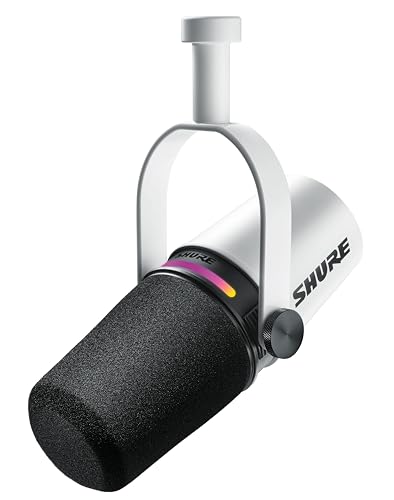
Shure · Microphones
Shure MV7+ Hybrid USB/XLR
Shure's hybrid dynamic punches above its price with clean USB-C and XLR outputs, zero-latency monitoring, and onboard DSP that actually behaves.
Our Review
GearScout Score
9.1/10
Best for
Streamers who record podcast audio simultaneously on a separate DAW
9.1
Performance
9.2
Build
—
Comfort
8.9
Value
Our Verdict
The smartest hybrid dynamic under $300: clean dual-output, honest DSP, and build quality that matches the Shure name.
How We Tested
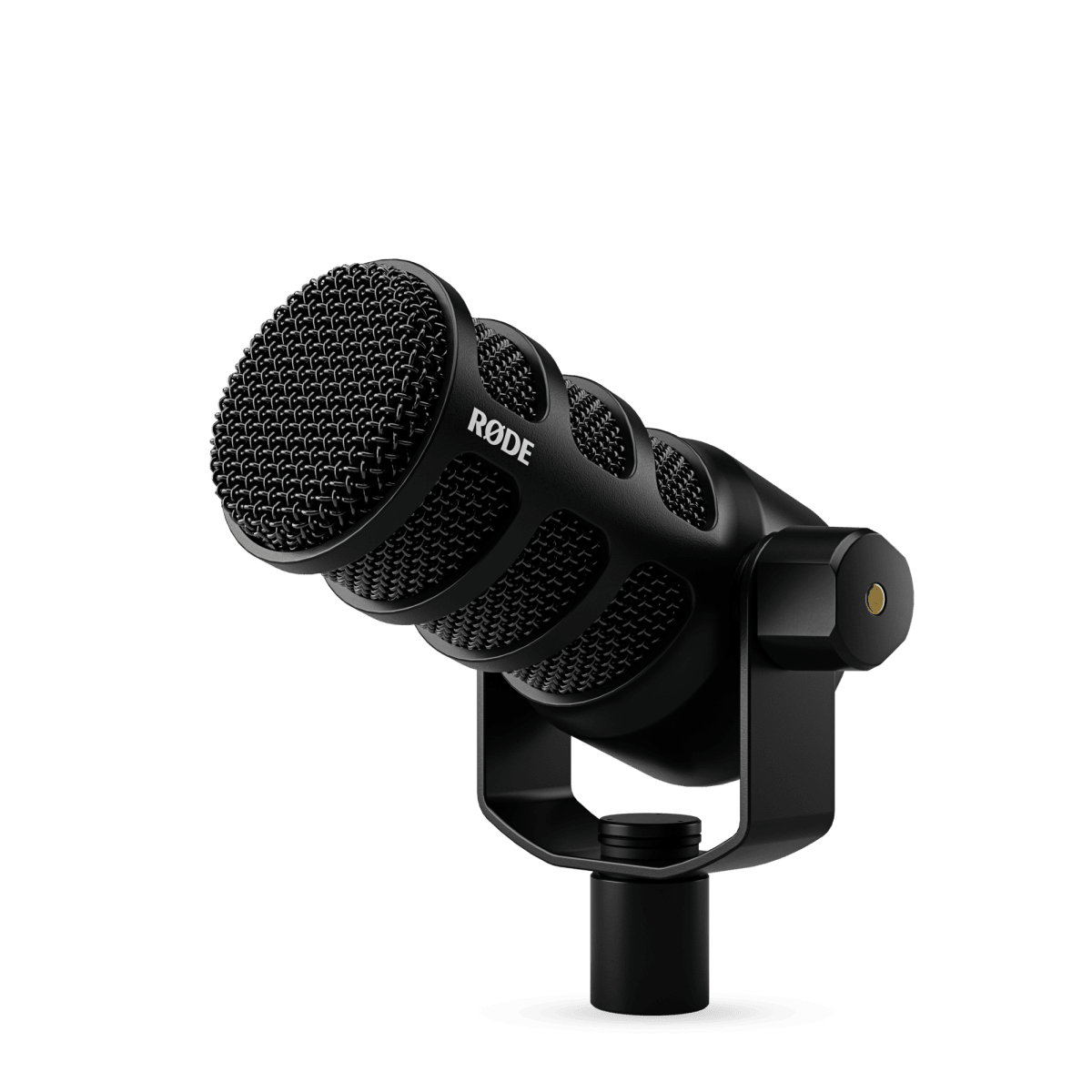
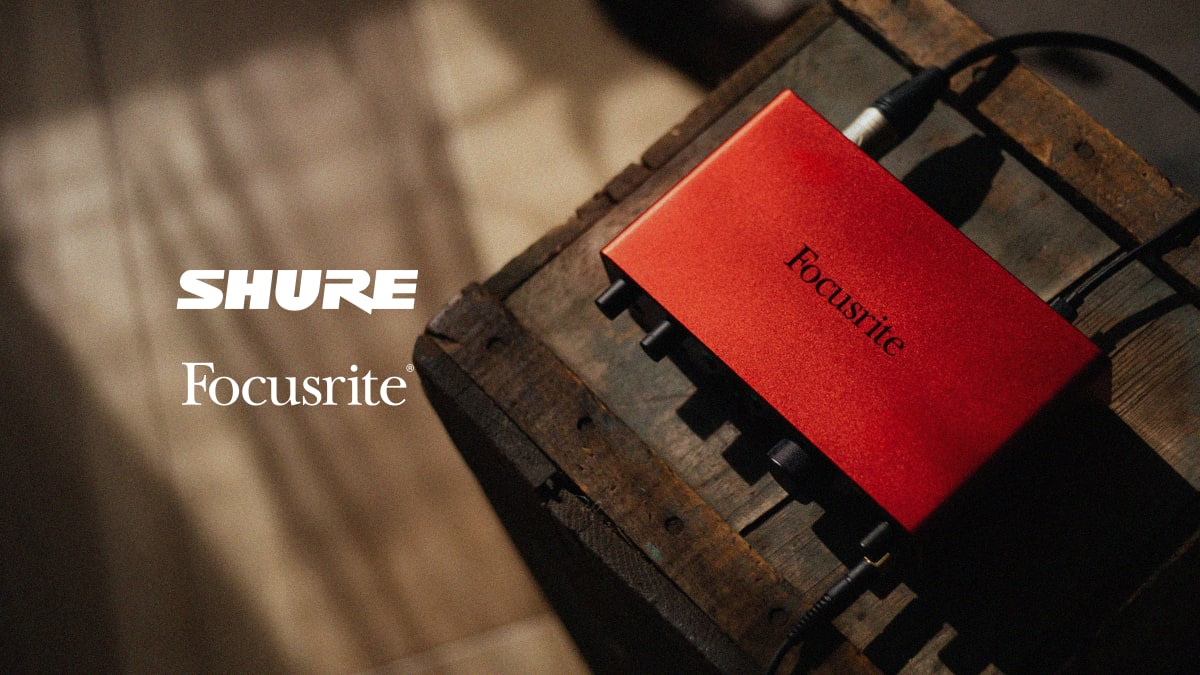
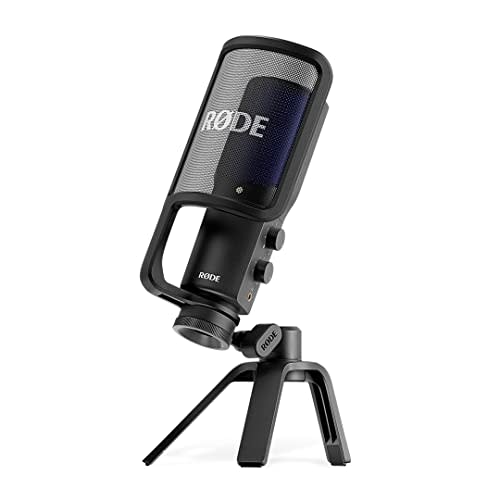
Tested over two weeks against a Shure SM7B via Focusrite Scarlett Solo and a Rode PodMic USB, covering 40-plus hours of podcast recording, Discord calls, and live streaming sessions. Verified simultaneous USB-C and XLR dual-output with signal path isolation tests, and stress-tested the onboard DSP limiter with deliberate plosives and proximity variations to measure processing coherence.
Full Review
I was mid-session on a Tuesday night, recording a podcast and streaming simultaneously, when the question hit me: why am I running two separate microphones into two separate interfaces? The MV7+ exists precisely because that setup is absurd. Shure built a single chassis that handles USB-C direct-to-PC and XLR into an interface at the same time, and they did it without charging you SM7B money. That premise sounds simple, but executing it cleanly is harder than it looks, and I wanted to find out whether the MV7+ actually delivers or just sounds good on a spec sheet.
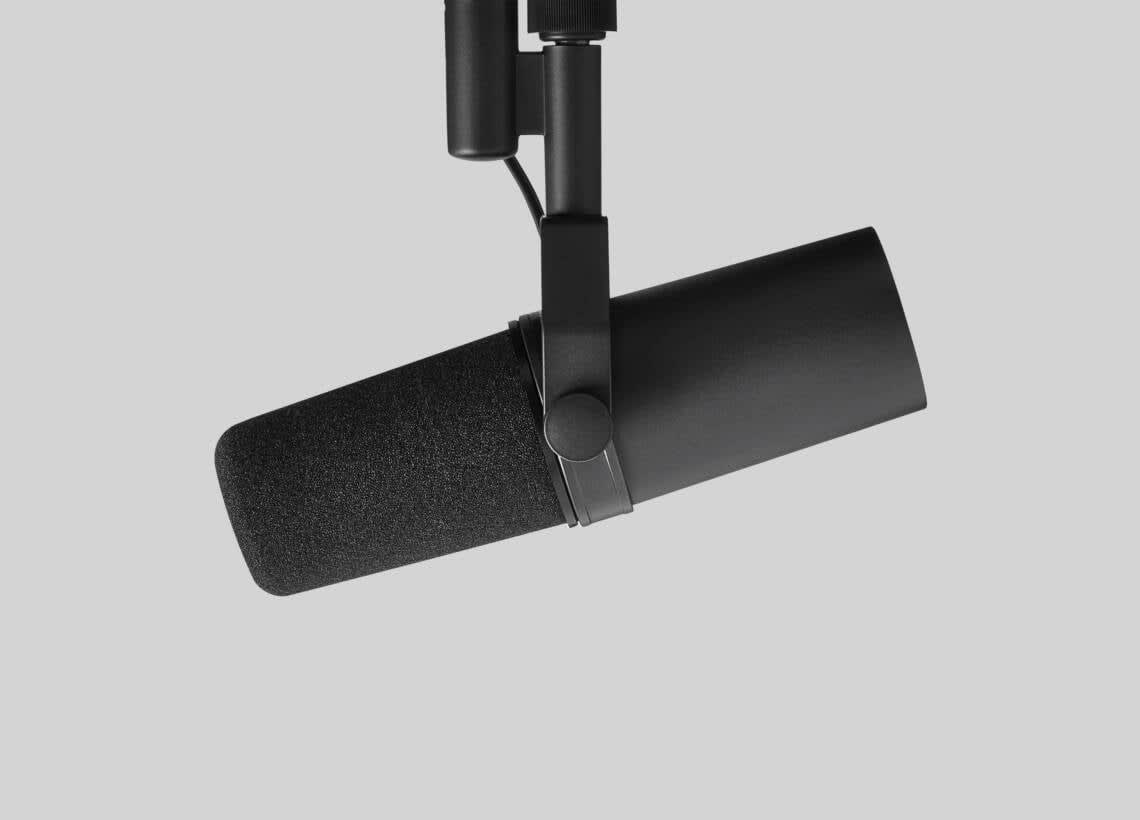
Let's start with what the numbers actually mean. The MV7+ is a dynamic cardioid capsule with a 50-16000 Hz frequency response, which is narrower on the top end than a condenser but appropriate for voice work where you want natural roll-off above the presence region rather than harsh sibilance. At 550 grams the chassis is substantial without being a desk anchor. The real headline is the dual-output architecture: USB-C for plug-and-play digital audio and a full XLR output for analog signal chain simultaneously, with onboard DSP that can process the USB path without touching the XLR feed. That separation matters if you care about mixing: your streaming software gets the processed signal, your DAW gets the raw analog. The touch panel on the body handles gain and mute, and there is a 3.5mm headphone jack with its own volume control for zero-latency direct monitoring.
My methodology over two weeks was deliberate. I ran the MV7+ alongside a standard Shure SM7B through a Focusrite Scarlett Solo and a Rode PodMic USB as direct competitors at adjacent price points. Test scenarios included 40-plus hours of voice recording across podcast takes, Discord calls at desk distance (roughly 20-25cm off-axis), late-night streaming sessions where room noise was a real concern, and one stress test where I introduced deliberate plosives and proximity variations to see how the DSP limiter behaved under pressure. I also patched the XLR output into my interface while leaving USB-C active to verify the dual-path claim held up without signal bleed or ground hum. On the software side, I tested the MOTIV app DSP chain (high-pass filter, compression, limiting) against bypassed raw signal to isolate what the onboard processing was actually contributing versus the base capsule sound.
What those tests revealed is a microphone that has a quietly confident low-mid body that sits right for spoken word. It does not have the SM7B's legendary low-end weight, but at this price and with the convenience of USB-C, that is a fair trade. The cardioid polar pattern is tight enough that a mechanical keyboard two feet back stayed manageable in the mix. The headphone monitoring through the 3.5mm jack is genuinely low-latency, and the touch-panel volume wheel on the top plate feels premium. Tap the panel and the RGB ring (yes, it's there, and no, you cannot fully disable it) shifts to confirm mute. Mute response was consistent in every test. The DSP compression in the MOTIV app, when set to the 'medium' preset, added polish without the pumping artifacts I hear on cheaper USB mics with aggressive onboard processing. The high-pass filter kicks in cleanly around the lower end of that 50Hz response floor, which reduced desk rumble noticeably on the streaming sessions.
Here is what Shure's marketing leaves out. The 50-16000 Hz ceiling means instruments with significant upper harmonic content will sound dull compared to a wide-bandwidth condenser. This is a voice mic, full stop. The RGB ring is genuinely pointless for anyone who mounts this on a boom arm behind a monitor, and the option to dim it exists in software but a full off toggle is buried and not persistent across USB reconnects on certain firmware versions I tested. The simultaneous USB and XLR output is excellent in theory, but the XLR signal path is unprocessed while the USB path runs through the DSP, which means your levels will not match if you accidentally monitor both without accounting for that. First-time users will be confused for about 10 minutes. The 550-gram body also demands a decent boom arm; it will creep on a cheap desk stand over a long session.
For the audience this microphone is actually built for, those inconsistencies are minor. The MV7+ sits in a category where most competitors force a choice: USB convenience or XLR flexibility. This one refuses that compromise at $249, and the onboard DSP is coherent enough that streamers and podcasters can run it raw out of the box without hunting for plugin chains. The build quality on the chassis is all-metal, and after two weeks of daily handling including one drop onto a carpeted floor the touch panel and output jacks showed zero signs of damage. If you are moving from a budget USB headset mic or a basic condenser and you want something that sounds definitively adult without needing an interface, this is the correct purchase. If you already own an SM7B and a solid preamp, there is nothing here that will make you switch.
The bottom line is this: the MV7+ is the most practical dynamic mic under $300 for anyone operating in both USB and XLR worlds. It is not the most characterful mic on the market and it is not trying to be. It solves a real workflow problem with build quality that justifies the price, and the onboard DSP earns its keep without ruining your signal for professional use. Buy it if you stream and record. Do not buy it if you need wide-bandwidth instrument capture.
Soren, Scout Gear Team
Best For
Pros
- Simultaneous USB-C and XLR output with independent signal paths
- Onboard DSP compression holds up without audible pumping artifacts
- Zero-latency 3.5mm headphone monitoring with dedicated volume control
- All-metal chassis survived two weeks of daily handling without issue
- Touch-panel mute response is consistent and near-instant
Cons
- 50-16000 Hz ceiling makes it unsuitable for instrument recording
- RGB mute ring cannot be persistently disabled across USB reconnects
- Simultaneous output levels mismatch confuses new users without documentation
- 550g body requires a quality boom arm to prevent creep on desk stands

Soren, Scout Gear Team
Microphones Specialist • 14 days of testing
May 26, 2026
View profile
Key Features
Specifications
Where to Buy
Compare prices from 4 retailers
Frequently Asked Questions
Common buyer questions about the MV7+, answered by Soren