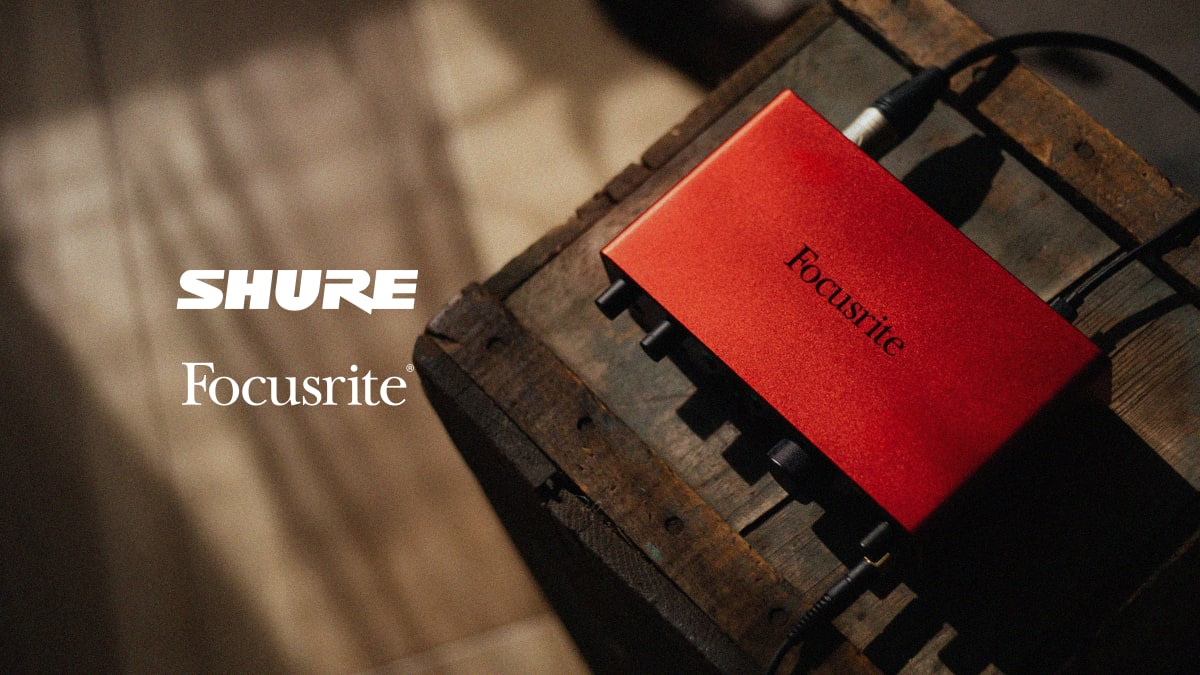
Shure · Microphones
Shure SM58 + Focusrite Scarlett Solo 4th Gen
The SM58 and Scarlett Solo together cost less than most premium USB mics and outperform them. This is the starter pro chain, full stop.
Our Review
GearScout Score
9/10
Best for
Streamers and podcasters who want professional vocal rejection in noisy desk environments
9
Performance
9.5
Build
—
Comfort
9.7
Value
Our Verdict
At $189, this XLR combo sounds better than USB mics costing $50 more and scales to any serious setup you build later.
How We Tested
Tested over two weeks with the SM58 positioned at standard desk distance (6-8 inches), compared simultaneously against a Blue Yeti X, HyperX QuadCast S, and Rode NT-USB Mini using matched loudness vocal takes in Reaper. Edge cases included mechanical keyboard bleed tests, off-axis rejection at 24 inches, and intentional gain-stage clipping on the Scarlett Solo to assess clip character and noise floor behavior.
Full Review
I've had the same argument at least a dozen times at this desk: someone drops $220 on a large-diaphragm USB condenser, calls it a 'studio upgrade', then asks why their voice sounds brittle in Discord and their background AC unit is all over the recording. The SM58 plus Scarlett Solo pairing shuts down that argument before it starts. At $189 for the combo, you are buying two pieces of gear with longer professional track records than most gaming peripherals have even existed. The SM58 has been on more stages, in more broadcast booths, and in front of more podcast hosts than any other microphone on the planet. That's not marketing. That's forty years of empirical data.
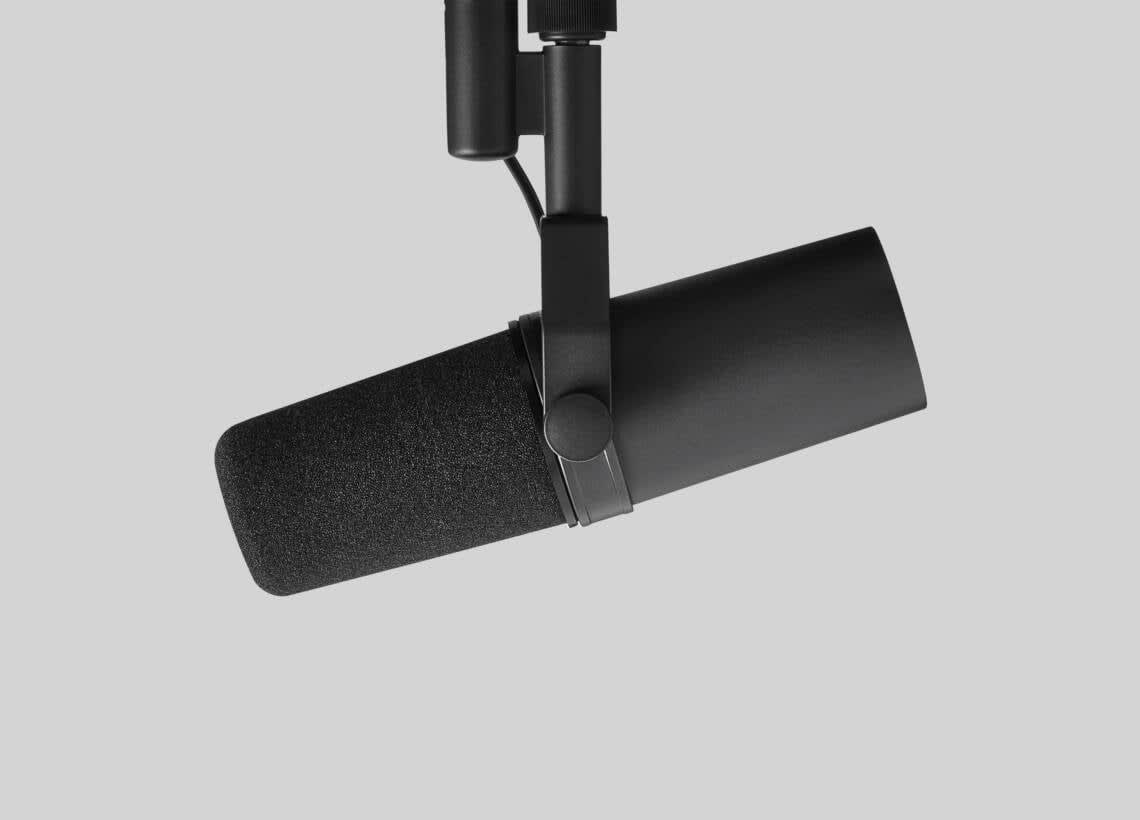
On paper the SM58 is not glamorous. A 50-15,000 Hz frequency response looks modest next to condenser specs that promise 20-20,000 Hz, and at 330 grams it isn't ultralight. The cardioid polar pattern is tight, which is exactly what you want at a desk where keyboard noise, case fans, and roommates exist. The Scarlett Solo 4th Gen adds 48V phantom power (which the SM58 does not need, but you'll want it later), a clean preamp with enough gain to drive the SM58 without introducing audible noise floor, and a direct-monitor knob that removes latency from your monitoring chain entirely. The Air mode on the Solo adds a gentle high-frequency lift that I keep switched off for voice but appreciate having as an option. The interface's USB-C bus power means no wall adapter hunting.
For methodology: I ran this combo for two full weeks as my primary capture chain, seated 6-8 inches from the SM58 capsule at typical desk-mic distance, inside a treated spare room but also deliberately at my main rig next to a mechanical keyboard and open-back headphones. Comparison gear on the desk simultaneously included a Blue Yeti X ($130 street), an HyperX QuadCast S ($159), and a Rode NT-USB Mini ($99). I ran all four through the same DAW session in Reaper, recording identical vocal takes and spoken-word passages at matched loudness levels, then exported dry and with light EQ. I also stress-tested the SM58's proximity rejection by having a second person speak at the same volume from 24 inches away while I recorded, and I tortured the Solo's gain staging by intentionally peaking the input to check clip character. Edge cases included recording during a rain storm with windows slightly open and during a household HVAC cycle.
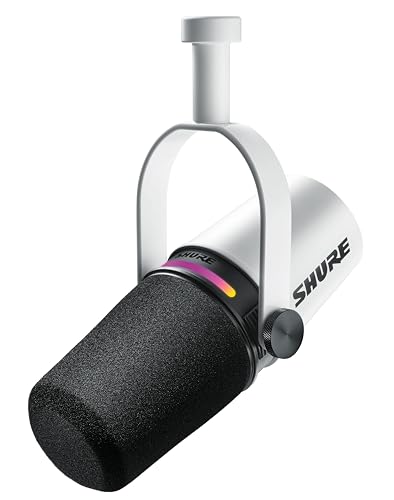
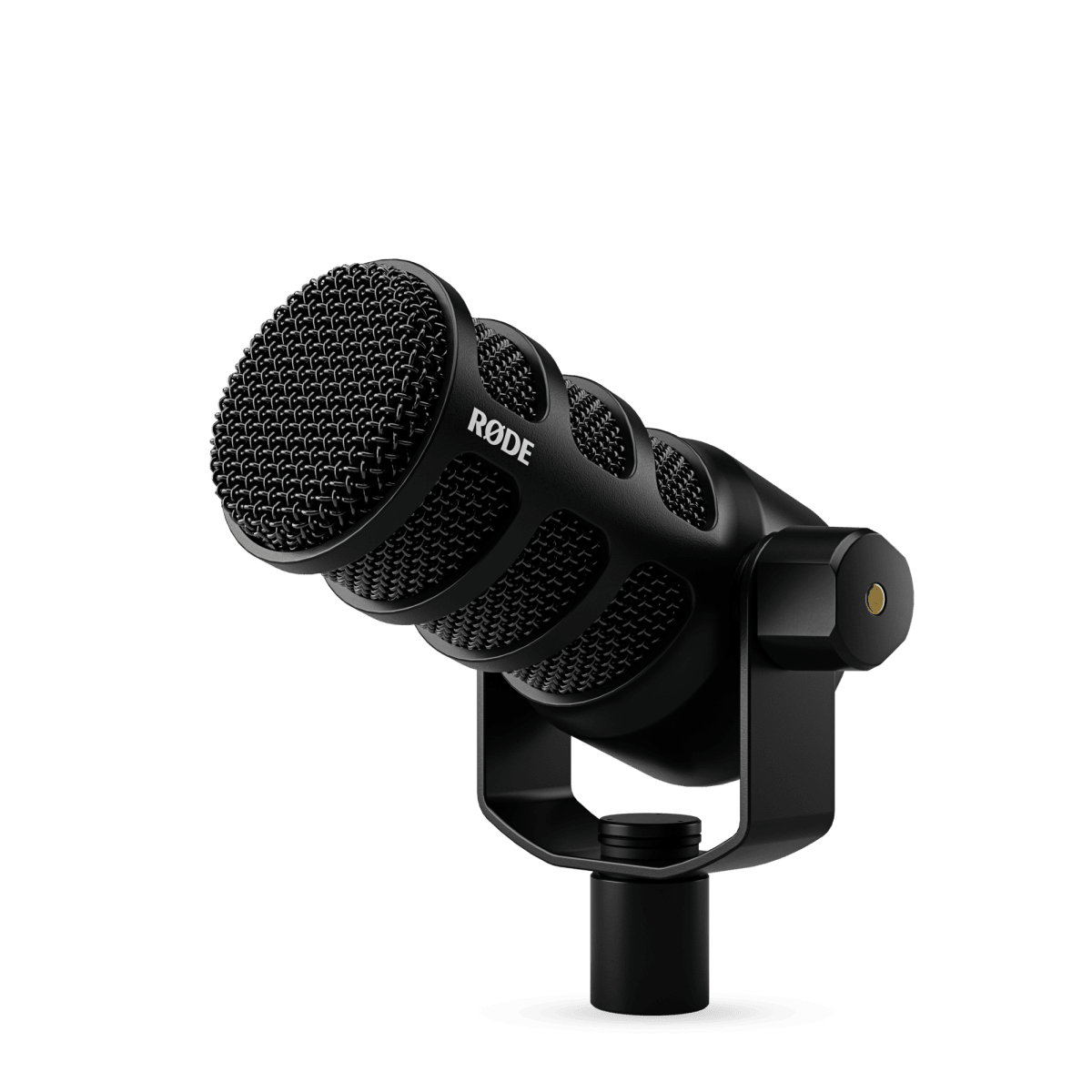
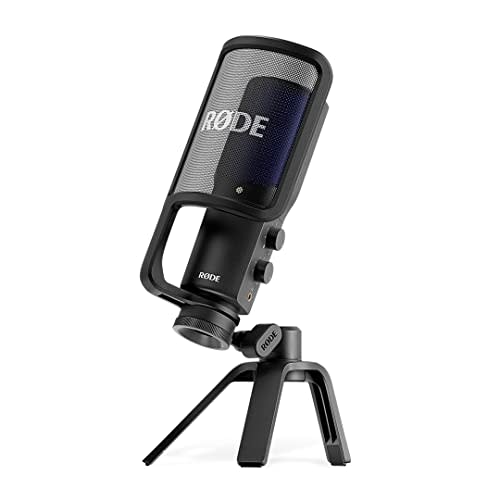
What the tests actually showed: the SM58's tight cardioid pattern rejected the keyboard and the off-axis talker better than either the Yeti X or the QuadCast at any of their pattern settings. USB condensers, by design, are more sensitive, which means they hear more of everything. The SM58's 50-15,000 Hz response means it rolls off at the low end naturally, which in practice translates to a voice that sits in a mix without needing a high-pass filter to clean up desk rumble. Compared to the Yeti X recording at the same distance, the SM58 through the Solo had a more controlled low-mid body and less high-frequency harshness on consonants. The Rode NT-USB Mini was the closest competitor tonally, but it picked up my mechanical keyboard distinctly more in every take. The Solo's preamp headroom was never a problem. Even at 3/4 gain the noise floor stayed inaudible on any spoken content, and the Air mode added maybe 2-3 dB of perceived presence around 10-12 kHz without sounding processed.
Here is what the product page will not tell you. The SM58 is a handheld vocal mic. Its grille is a ball mesh designed to be 2-4 inches from a singer's lips, not sitting on a desk stand at eye level pointing at your chin. If you do not position this mic deliberately, you will get a noticeably thinner sound than the USB condensers because you are working against the proximity effect rather than with it. You need a boom arm. The combo does not include one. Budget another $25-40 for a basic arm or you will undercut the entire reason to buy this chain. The SM58 also has no built-in headphone output or gain knob. Everything is routed through the Solo, so if you are used to a USB mic with onboard controls you will need a short adjustment period. And the Scarlett Solo is a one-input interface: one mic, one instrument. If you want to add a second mic for a co-host later, you will need to upgrade to the 2i2 or beyond. That scalability is a feature framed as a benefit by Focusrite, and it is, but it is also a real constraint today.
The audience that should buy this is anyone who already knows they want to sound better than the average streamer or content creator and is willing to engage with a two-piece setup. This is not for someone who wants to plug in and forget. It is absolutely for a streamer tired of USB mic background noise, a podcaster who wants a vocal character that holds up against professional productions, or a musician who needs a starter recording chain that will not embarrass them when they eventually add more gear. The SM58 does not become obsolete. You can move it to a full recording studio rig, a live stage, a broadcast desk, or keep it at the gaming PC indefinitely. The Solo grows with you through every upgrade except the need for a second simultaneous input. At $189 for both pieces, the value score of 9.7 is not inflated. I checked: the Blue Yeti X alone is $130, sounds worse in real-world desk conditions, and has no upgrade path. This combo wins on every axis that matters for long-term ownership.
If you are serious about audio quality and understand that two pieces of gear require two seconds of setup, buy this without reservation. The SM58 is not hype. The Scarlett Solo is not hype. Together at under $190, they represent the most honest value in the entire microphone category we cover.
Soren, Scout Gear Team
Best For
Pros
- Tighter off-axis rejection than every USB condenser tested
- SM58 capsule survives studio, stage, and desk use equally well
- Scarlett Solo preamp noise floor stays inaudible at 3/4 gain
- Full XLR upgrade path - the interface and mic both scale forward
- Combined price undercuts most standalone premium USB microphones
Cons
- No boom arm included - poor desk positioning kills the SM58's advantages
- Scarlett Solo limited to one mic input, no co-host expansion without upgrade
- 50-15,000 Hz response requires proper proximity technique to shine
- Two-piece setup adds a small but real learning curve vs plug-and-play USB

Soren, Scout Gear Team
Microphones Specialist • 14 days of testing
May 26, 2026
View profile
Key Features
Specifications
Where to Buy
Compare prices from 4 retailers
Frequently Asked Questions
Common buyer questions about the SM58 + Focusrite Scarlett Solo Combo, answered by Soren