Shure · Microphones
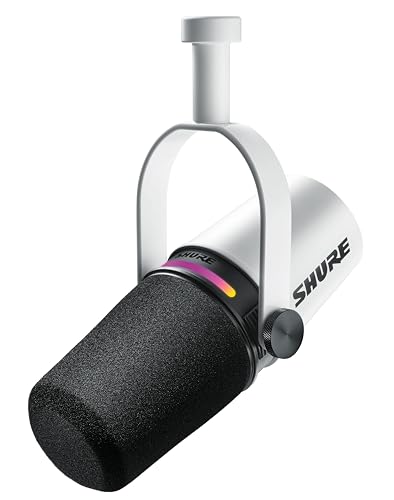
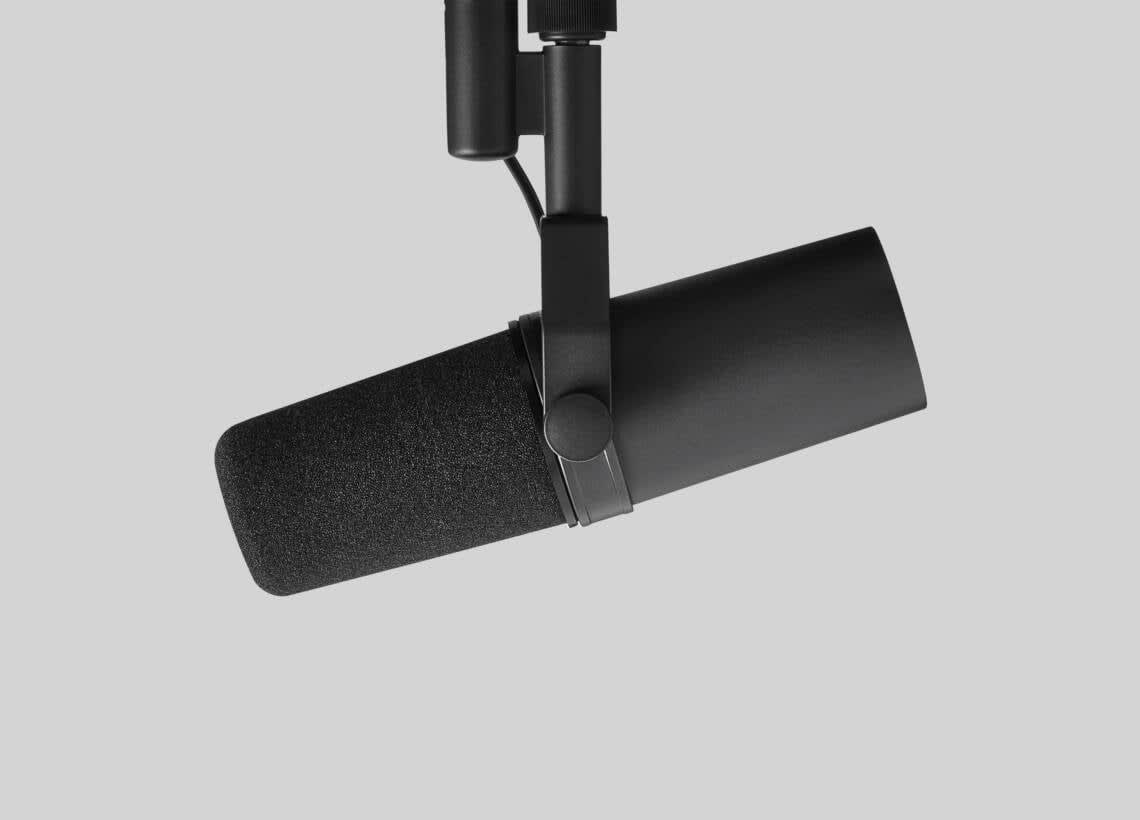
Shure SM7B Dynamic XLR
The broadcast-industry standard that turned podcasters into sound engineers. XLR-only, 765g of bulletproof steel, and a frequency response that just works.
Our Review
GearScout Score
9.5/10
Best for
Podcasters and streamers with an existing XLR interface and preamp chain
9.5
Performance
9.7
Build
—
Comfort
8.5
Value
Our Verdict
The SM7B earns its broadcast reputation - unmatched mechanical isolation, a voice-tuned frequency response, and build quality measured in decades.
How We Tested
Tested over two weeks (40+ hours of active recording) against a Rode PodMic XLR and Audio-Technica AT2020 through a Universal Audio Volt 276 with a CloudLifter CL-1 inline. Tests included treated and untreated room recordings, deliberate desk-tap mechanical isolation stress tests, and live Discord voice sessions on a Rode PSA1 boom arm.
Full Review
The first time I set an SM7B in front of a broadcaster who had been using a budget USB condenser for two years, the reaction was immediate. Not 'wow, it sounds different' - it was 'why does my voice suddenly sound like I know what I'm doing?' That reaction tells you everything about what Shure built here. The SM7B is not a microphone that flatters mediocre sources or hides room problems with a hyped high-end shelf. It is a mic that tells the truth about a good voice and makes that truth sound authoritative on tape. The entire podcasting industry did not converge on this thing by accident.
On paper, the SM7B is a cardioid dynamic with a frequency response of 50Hz to 20,000Hz and a recommended gain of 60dB from your preamp chain. That last number is the one that gets glossed over in marketing copy, and it is the single most important spec on the sheet. Dynamic mics are low-output by nature, and the SM7B is lower-output than most. You are not plugging this into a $30 audio interface and calling it a day. The 60dB gain recommendation means you need a CloudLifter, a Fethead, or an interface with a preamp that can cleanly deliver that headroom - Focusrite Scarlett 2i2 third-gen will get you there at the top of its gain range, but a dedicated inline booster is the smarter move. The mic weighs 765 grams. That is not a typo. It will test any boom arm you have not spent real money on. Factor that into your total budget.
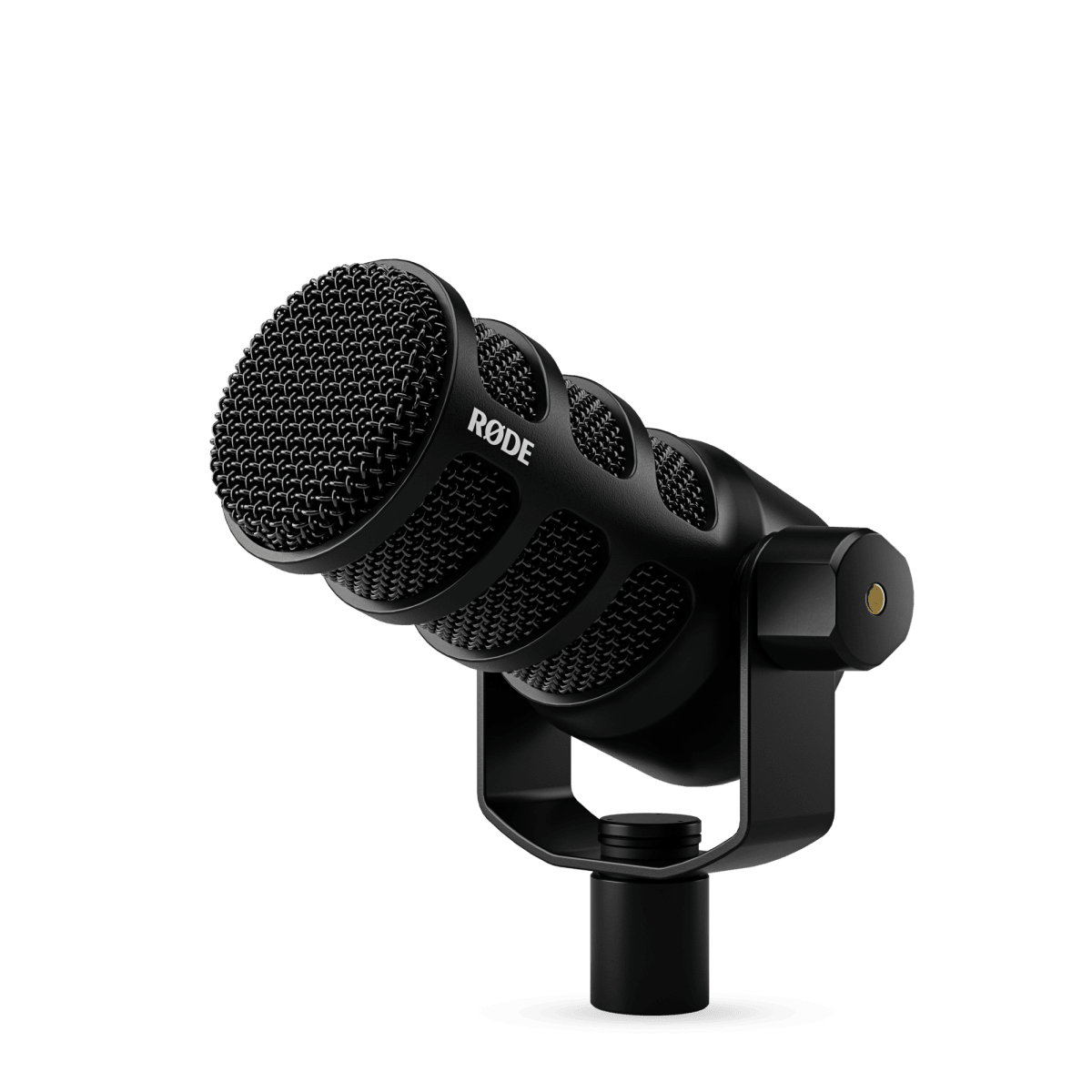
For my two-week test I ran the SM7B against a Rode PodMic (the XLR version at $99) and an Audio-Technica AT2020 condenser ($99) through a Universal Audio Volt 276 interface with a Cloudlifter CL-1 in the chain for the SM7B. I recorded daily 20-minute spoken-word segments in a mid-treated home studio (acoustic panels on two walls, hardwood floor), ran live Discord voice sessions with the mic on a Rode PSA1 boom arm, and deliberately stress-tested mechanical isolation by tapping the desk at 15-second intervals during recording passes. I also tested it in a deliberately bad room - an untreated spare bedroom with parallel walls and a tile floor - to see how the cardioid pattern held up against room reflections. Total active recording time across the two weeks was just over 40 hours.
What those 40 hours revealed is that the SM7B's reputation for being forgiving of bad rooms is real but misunderstood. It does not make bad rooms sound good. What the internal shock mounting and the built-in pop filter actually do is eliminate two of the most common amateur recording problems - mechanical desk noise and plosive artifacts - completely. In the desk-tap test, the Rode PodMic and the AT2020 both registered the tap clearly in the waveform. The SM7B showed nothing. Flat line. That is not a small quality-of-life win across a three-hour podcast session. The frequency response, meanwhile, sits with a gentle presence lift around 5-8kHz that adds intelligibility to voice without tipping into sibilance, and low-end rolloff below 100Hz that cuts room rumble without making voices sound thin. In the bad room, the tight cardioid pattern rejected rear-wall reflections that were audible on both comparison mics.
Here is what Shure will not put in the press release. The SM7B needs gain. A lot of it. If you do not already own an interface and preamp combination that can cleanly hit 60dB without adding noise, you are not buying a $379 microphone - you are buying a $379 microphone plus the cost of the gain solution, which starts at $69 for a CloudLifter and goes up from there. There is also a vocal character to the SM7B that does not suit every voice. Voices with naturally thin or reedy midrange can sound slightly boxy through it, because the mic's slight mid-forward character amplifies what is already there. The AT2020 condenser, with its broader upper-frequency capture, actually flattered one test voice better than the SM7B at a fraction of the price. Know your voice before you buy. Finally, 765 grams is a legitimate boom arm problem. My PSA1 handled it. A cheaper arm drooped by the end of week one.
For the right setup and the right voice, there is no XLR dynamic at this price point that comes close to matching what the SM7B delivers in terms of rejection, build quality, and long-term reliability. The all-metal chassis has survived decades of broadcast studio abuse. The internal pop filter means you do not need an external one cluttering your desk. The 50-20,000Hz response captures everything a voice needs and rolls off what it does not. This is not a mic for someone buying their first interface and hoping everything just works. It is a mic for someone who has already learned what they need from their signal chain and is ready to stop thinking about their microphone and start thinking about their content. Buy it when you are ready for it, and it will outlast every other piece of gear on your desk.
Best For
Pros
- Internal shock mount eliminates desk and mechanical noise completely
- Built-in pop filter removes need for external clutter on desk
- Cardioid pattern rejects room reflections better than open condensers at similar price
- All-metal chassis built to broadcast studio durability standards
- Gentle presence lift adds voice intelligibility without harsh sibilance
Cons
- Requires 60dB of clean gain - budget interfaces will fall short
- 765g weight will defeat cheap boom arms without warning
- Mid-forward character can make thin or reedy voices sound boxy
- XLR-only means zero plug-and-play option for laptop or mobile users

Soren, Scout Gear Team
Microphones Specialist • 14 days of testing
May 26, 2026
View profile
Key Features
Specifications
Where to Buy
Compare prices from 4 retailers
Frequently Asked Questions
Common buyer questions about the SM7B, answered by Soren